How to Find Your Signature Fragrance – The Complete Beginner’s Guide to Perfume
Finding your signature fragrance means testing a handful of scents on your own skin, wearing each one for a full day, and choosing the one that still feels like you at hour eight. This guide walks you through the whole process, from understanding scent families to shopping online, layering, gifting, and even creating a custom perfume that no one else owns.
Why Fragrance Never Goes Out of Style
People have worn perfume for thousands of years. Ancient Egyptians burned resins and blended scented oils for ritual and daily life. Royal courts in Europe made perfume a status symbol. Today, a single bottle on your dresser still does something a new outfit cannot: it changes how a room feels when you walk into it.
That staying power comes from how personal scent is. Clothes go in and out of fashion, but a fragrance you love can stay with you for years. Many people can name the exact perfume their grandmother wore, or the cologne a first love left on a jacket collar. A signature scent becomes part of your identity, the thing people think of when they think of you.
How Scent Is Tied to Memory
Smell is wired differently from your other senses. Scent signals travel to the olfactory bulb, which sits close to the parts of the brain that handle emotion and memory, including the amygdala and the hippocampus. That close connection is why a whiff of sunscreen can pull you back to a childhood beach in seconds, long before you consciously think about it.
This works in your favor when you wear fragrance. The people you spend time with begin to link your scent with how they feel around you. If you greet a friend warmly while wearing the same perfume for months, that scent becomes a small reminder of you after you leave. Perfumers understand this well, which is why a good fragrance is built to leave a memorable trail rather than just smell nice in the bottle.
How the Right Scent Helps You Make a Positive Impression
First impressions form quickly, and scent is part of the picture alongside what you wear and how you carry yourself. The right fragrance can make you feel more polished and more confident, and that confidence usually shows. A clean citrus can say you are fresh and approachable. A warm vanilla can say you are cozy and inviting. A deep woody blend can say you are grounded and put together.
The key word is right. A scent that fits your personality and the setting reads as effortless. One that is too loud, too sweet for the office, or simply not your style can work against you. That is exactly why taking the time to find a signature fragrance is worth it.
The Most Common Scent Profiles (Fragrance Families)
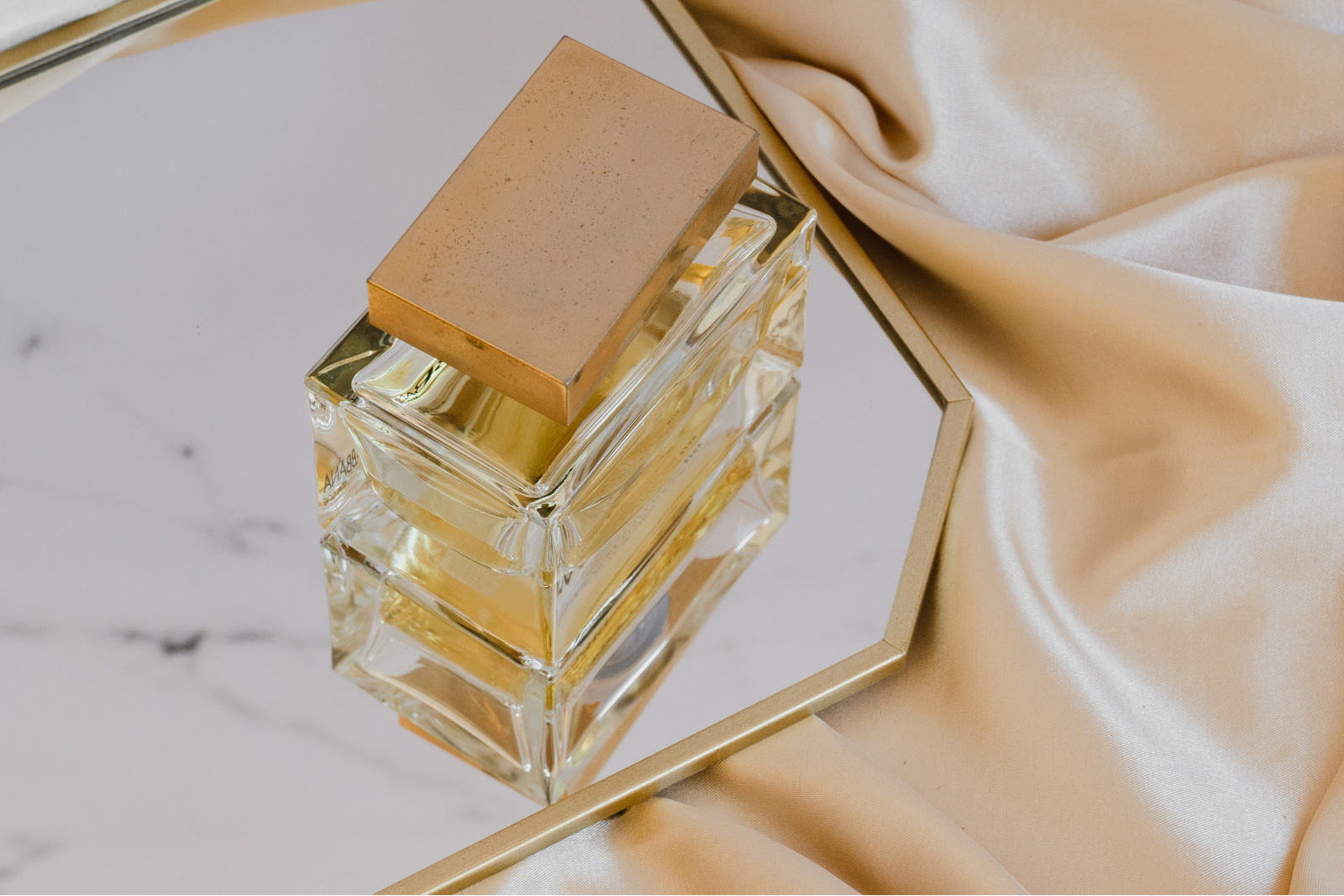
Before you test anything, learn the basic scent families. Perfume professionals sort fragrances using the Fragrance Wheel, a system created by Michael Edwards in the 1980s. It groups scents into four main families, each with smaller subfamilies. Most people find they gravitate toward one or two families, so knowing your lean saves a lot of time at the perfume counter.
Floral
Floral is the largest and most familiar family. Think rose, jasmine, peony, lily of the valley, orange blossom, and tuberose. Floral scents range from fresh-cut and bright to soft and powdery to rich and heady. They suit people who like romantic, polished, or classic scents, and they work well in spring and for daytime.
Fresh
Fresh fragrances feel clean and light. This family includes citrus (bergamot, lemon, grapefruit), green notes (cut grass, tea, fig leaf), fruity notes, and watery or marine accords. If you love the smell of a just-opened window or a squeezed lemon, start here. Fresh scents are easy to wear in warm weather, at the gym, and at work.
Woody
Woody fragrances lean on sandalwood, cedar, vetiver, patchouli, and oakmoss. They smell warm, dry, and grounded, sometimes smoky or earthy. They are popular in men’s fragrance, but plenty of women love them too. Woody scents tend to last longer on skin and feel especially good in fall and winter.
Amber (Oriental)
Amber, often still called oriental, is the warm and sensual family. Expect vanilla, resins, incense, warm spices, tonka bean, and musk. These scents are rich and cozy, and they project well, so a little goes a long way. They are a natural pick for evenings, cold weather, and date nights.
Gourmand and Other Modern Styles
Many shoppers also talk about gourmand scents, which smell edible, like caramel, coffee, praline, or almond. Others look for aromatic, leather, or chypre styles. Think of these as neighbors to the big four rather than separate boxes. Most perfumes sit on a border: a floral with woody depth, or a fresh scent with a warm vanilla finish.
Understanding Top, Heart, and Base Notes
Every fragrance unfolds in stages. Top notes are what you smell first, usually bright citrus or herbs, and they fade within minutes. Heart notes appear next and form the character of the scent, often florals or spices. Base notes arrive last and linger for hours, with woods, musk, amber, and vanilla. This is why you should never judge a perfume in the first 30 seconds. The base is what you will live with all day.
Step by Step: How to Find Your Signature Fragrance
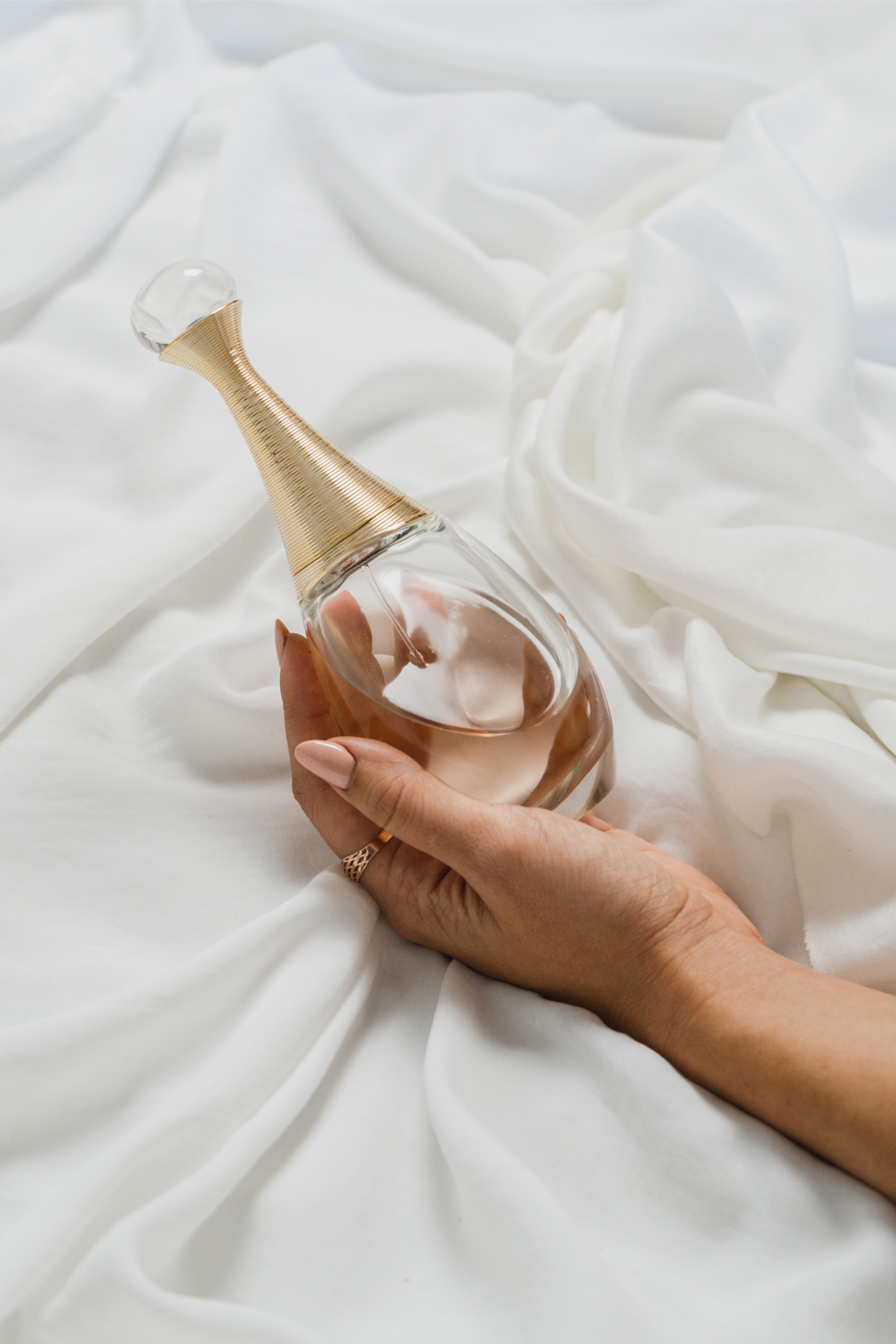
There is no shortcut, but there is a smart order of operations. Follow these steps and you will narrow things down without wasting money on bottles you never finish.
- Notice what you already love. Think about candles, soaps, flowers, foods, and places that make you happy. Do you reach for lemon, vanilla, fresh laundry, or woodsmoke? Those instincts point to your family.
- Pick a family or two to explore. Use the scent profiles above as your starting map. Choose the one or two that sound most like you.
- Set a budget and a size. Decide what you are comfortable spending, and plan to try samples before buying any full bottle.
- Start with blotters, then move to skin. Spray a paper blotter to rule out scents you clearly dislike. Then test your short list on skin, because perfume smells different on every person.
- Test only three or four at a time. Your nose gets tired quickly. Between scents, take a break and breathe fresh air. Coffee beans are a popular myth for resetting your nose, but stepping outside works just as well.
- Wait for the dry-down. Give each scent at least an hour, ideally more, so you can smell the heart and base notes. Skip the quick sniff on the wrist.
- Wear it for a full day. The best test is real life. See how the scent holds up at your desk, at lunch, and in the evening. Notice whether you still enjoy it after eight hours.
- Ask for honest opinions. A trusted friend or partner will tell you if a scent feels right on you.
- Retest on a second day. Moods, hormones, diet, and weather can change how a perfume smells. If you love it twice, you have probably found a winner.
- Buy the bottle, and then commit. A signature scent is one you wear often enough that it becomes recognizable. You can still own others, but let one scent lead.
One helpful tip: keep a small note on your phone with the name of each scent you try, the notes you can pick out, and how you felt about it. After a few rounds, patterns show up fast.
Best Places to Test New Scents
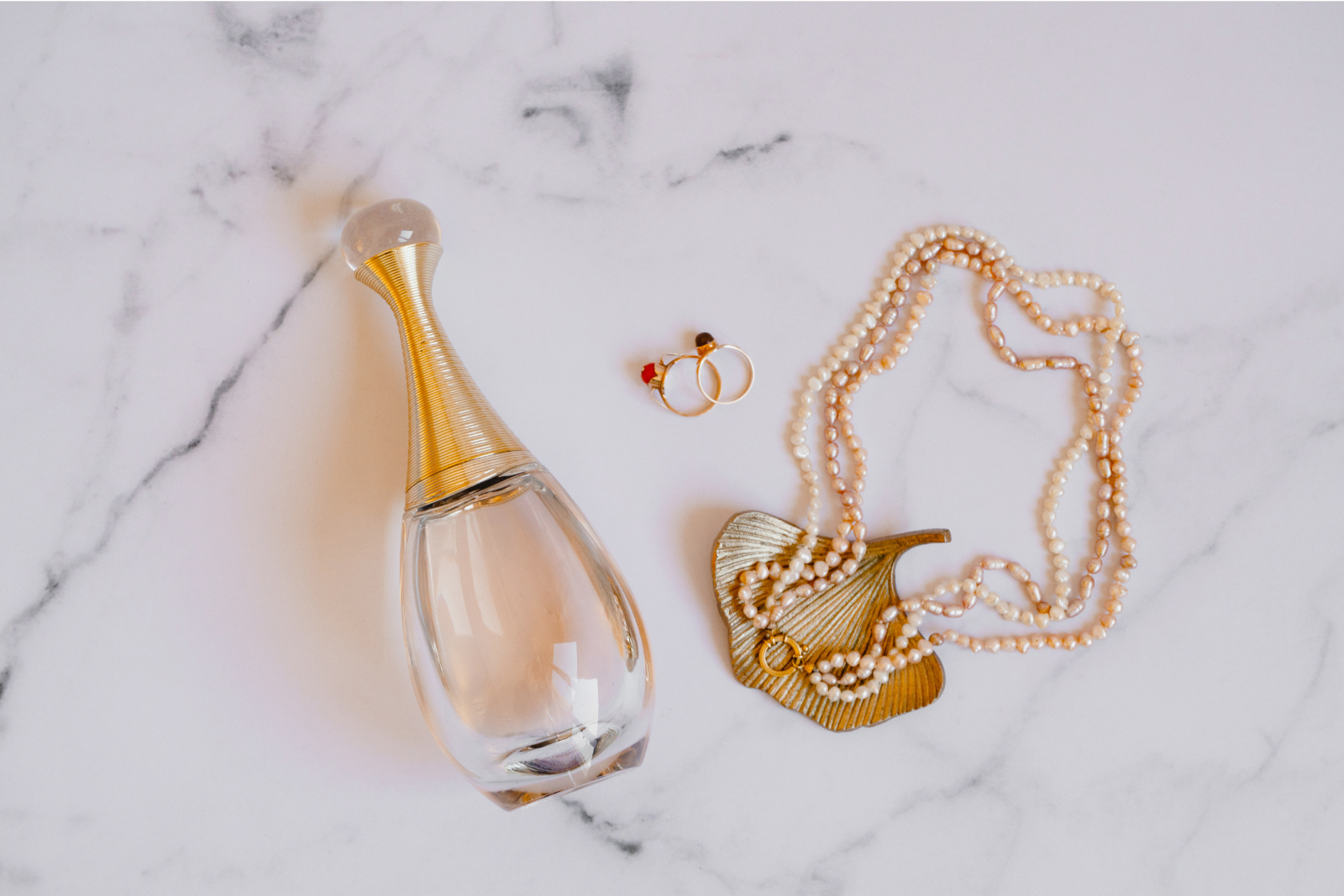
Where you test matters almost as much as what you test. Here are the best options, from easiest to most in depth.
Department Stores and Beauty Retailers
Stores like Sephora, Ulta, Nordstrom, and Macy’s let you try hundreds of designer and some niche fragrances in one trip. Sales associates can point you toward scents based on what you already enjoy. The downside is nose fatigue and crowded counters, so go with a short list and plan on a second visit.
Niche and Independent Perfume Boutiques
Small perfume shops often carry artisanal and niche brands you will not find at the mall. The staff are usually passionate and patient, and they will let you take your time. LuckyScent, which has stores in New York and Los Angeles, and Ministry of Scent in San Francisco are two well-known examples. A local boutique near you may be even better, so search for one in your city.
Brand Boutiques and Fragrance Counters
Houses like Chanel, Dior, Jo Malone, and Le Labo have their own boutiques where you can explore a full range. These visits can feel special, and some offer sample vials to take home.
Discovery Sets and Sample Programs
This is the best way to test at home. A discovery set is a small box of sample-sized vials, often three to six fragrances under 10 ml each. You get to wear each one for days before you commit. Many brands sell their own, including Snif, and retailers like Scento sell build-your-own sets. Some sets even apply their price toward a full-size bottle later.
Decants
A decant is a small portion of a perfume poured by hand from an original bottle into a travel-size vial or atomizer. Decants usually range from 1 ml to 10 ml, which makes them ideal for testing designer and niche scents without paying for a full bottle. Buy from reputable decant sellers that source from authorized retailers, because quality and authenticity vary. Fulton & Roark’s guide to trying luxury perfume explains the differences between decants, discovery sets, and house sample programs well.
Ask for Samples
It costs nothing to ask. Many counters and online orders include free sample vials, and some stores will give you a small spray to take home if you ask politely.
How to Shop for Fragrance Online
Buying perfume you cannot smell feels risky, but it can be done well with a little strategy.
- Sample first. Order a discovery set or decant of anything you are curious about. Never blind-buy a full bottle of a scent you have not worn.
- Read the notes, then read reviews. Look at the top, heart, and base notes, and compare them with scents you already love. Then read reviews that mention longevity, projection, and how the scent smells after a few hours.
- Check the concentration. Eau de parfum usually lasts longer than eau de toilette. The label should say which one you are buying.
- Buy from authorized sellers. Brand websites, major beauty retailers, and department stores are the safest choices. If a price on an unfamiliar site seems far below everyone else’s, that is a warning sign for counterfeits or old, degraded stock.
- Check the return policy. Many retailers will not accept returns on opened fragrance. Know the rules before you click buy.
- Look for batch codes and sealed packaging. A real bottle arrives sealed, with clear printing, a batch code, and a cap that fits well.
- Use scent-matching tools. Many retailers and fragrance communities offer quizzes and note-based recommendations. They will not replace a skin test, but they can shorten your list.
- Watch the shipping conditions. Heat and light damage perfume. Reputable sellers pack bottles securely and ship them promptly.
When you do find a favorite, keep an eye out for seasonal sales and holiday gift sets. They are the most budget-friendly way to buy a full-size bottle of something you already know you love.
Popular Perfumes and Their Scent Profiles
These are well-known fragrances that cover the main families. Use them as reference points when you test. Formulas can change over time and notes vary slightly by concentration, so treat these as general profiles.
Floral Picks
- Chanel No. 5. A classic aldehydic floral with a soft, powdery, polished character. It is elegant and timeless.
- Dior J’adore. A luminous bouquet built around ylang-ylang, jasmine, and rose. It reads as bright, feminine, and glamorous.
- Marc Jacobs Daisy. A light, fruity floral with a youthful, sunny feel that works well for daytime.
- Viktor & Rolf Flowerbomb. A big, sweet floral with a lot of presence, best for those who like a scent that announces itself.
Fresh Picks
- Dior Sauvage. A popular men’s fragrance that opens with bergamot and pepper and settles into a fresh, ambery woody base.
- Bleu de Chanel. A citrusy, woody aromatic that feels refined and versatile.
- Giorgio Armani Acqua di Giò. A watery, marine-style fresh scent known for its clean, beachy character.
- Jo Malone Wood Sage & Sea Salt. A breezy, mineral blend with a salty, windswept feel, good for everyday wear.
Woody Picks
- Le Labo Santal 33. A distinctive sandalwood-driven scent with a smoky, leathery, almost dry feel that people tend to love or hate.
- Tom Ford Oud Wood. A smooth, rich blend of oud, sandalwood, and spice for those who want a luxurious woody scent.
- Chanel Coco Mademoiselle. Often described as a chypre with orange, rose, and patchouli. It sits between floral, fresh, and woody and has broad appeal.
Amber and Gourmand Picks
- Yves Saint Laurent Libre. Lavender and orange blossom on top of a warm vanilla base. It is a modern blend of fresh and cozy.
- Lancôme La Vie Est Belle. A sweet, gourmand floral with iris, praline, and vanilla that is warm and widely loved.
- Maison Francis Kurkdjian Baccarat Rouge 540. An airy yet amber-woody scent with jasmine, saffron, and a sweet, long-lasting dry-down. It is a luxury favorite.
- Tom Ford Black Orchid. A dark, dramatic mix of florals, spice, and rich, earthy notes. Best saved for evenings.
Skin-Scent and Minimalist Picks
- Glossier You. A soft, musky, peppery skin scent that smells like a more interesting version of you.
- Byredo Gypsy Water. A woody, slightly smoky blend with citrus and vanilla that feels bohemian and unisex.
A useful exercise: pick two or three from different families and try them side by side. Which one do you keep sniffing your wrist for? That reaction tells you more than any description.
How to Apply Perfume for Best Results
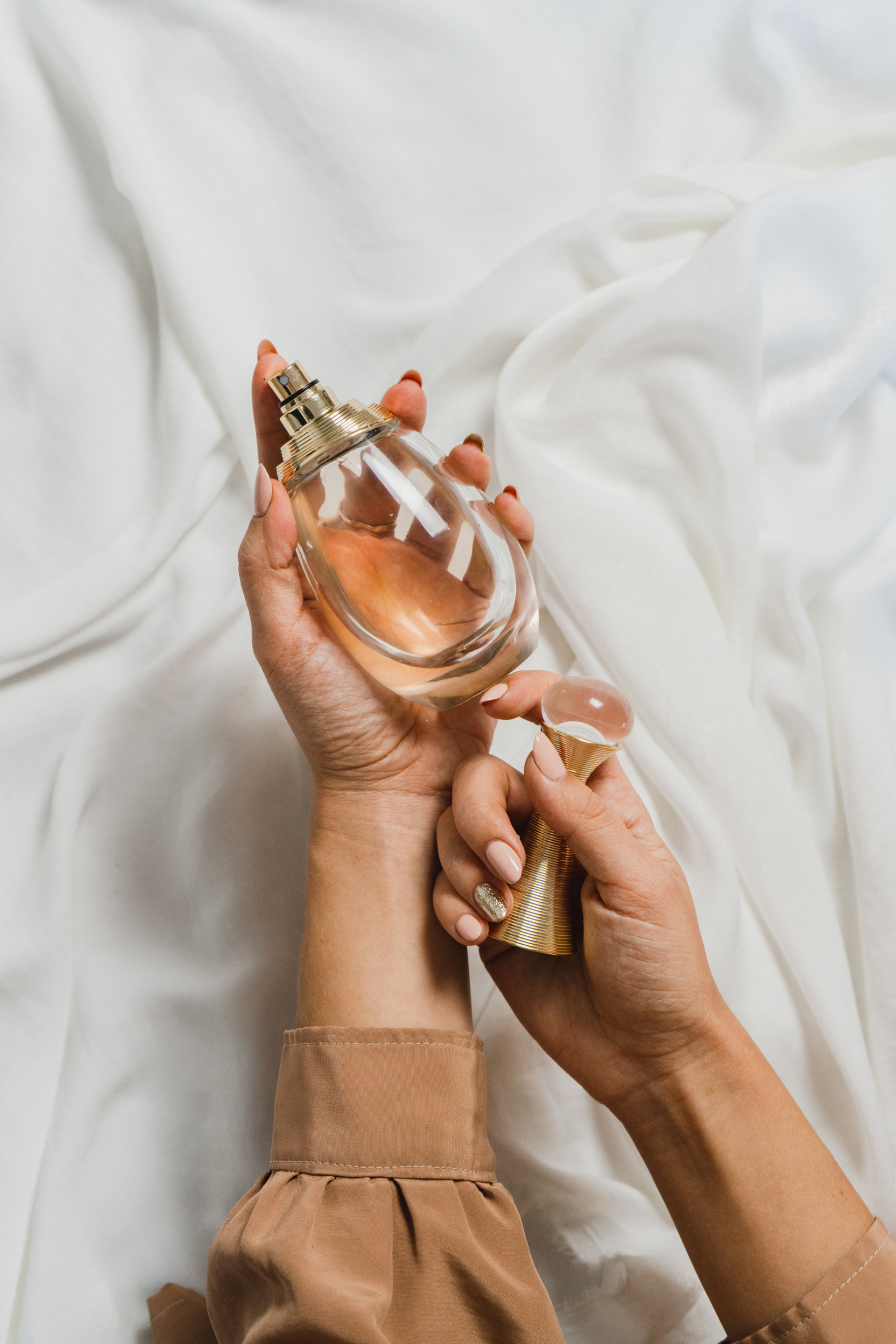
Even the best fragrance can disappoint if it is applied poorly. These habits make your scent last longer and sit better on your skin.
- Apply to clean, moisturized skin. Fragrance clings better to hydrated skin. Spray right after a shower, once you have put on unscented lotion or a matching body lotion.
- Target pulse points. Warm areas like the wrists, inner elbows, sides of the neck, and behind the ears help the scent develop and project.
- Hold the bottle about six inches away. Spray once or twice, not in a cloud. If you are wearing a strong scent, one spray at the chest may be plenty.
- Do not rub your wrists together. Rubbing can crush the delicate top notes and change how the scent develops. Let it dry naturally.
- Spray your clothes lightly, if the fabric allows. A light mist from a distance on a scarf or jacket can extend the scent. Avoid delicate fabrics, silk, and light colors, since some perfumes can stain.
- Try the hair trick. A small spritz on a hairbrush, rather than directly onto your hair, adds a subtle trail without drying your strands.
- Reapply thoughtfully. Fresh and citrus scents fade faster and may need a touch-up. Heavy amber and woody scents usually do not.
- Store your perfume well. Keep bottles away from sunlight, heat, and humidity. A dresser drawer or closet is better than a bathroom shelf. Stored well, many fragrances stay good for years.
Day, Night, Special Events, and Everyday Scents
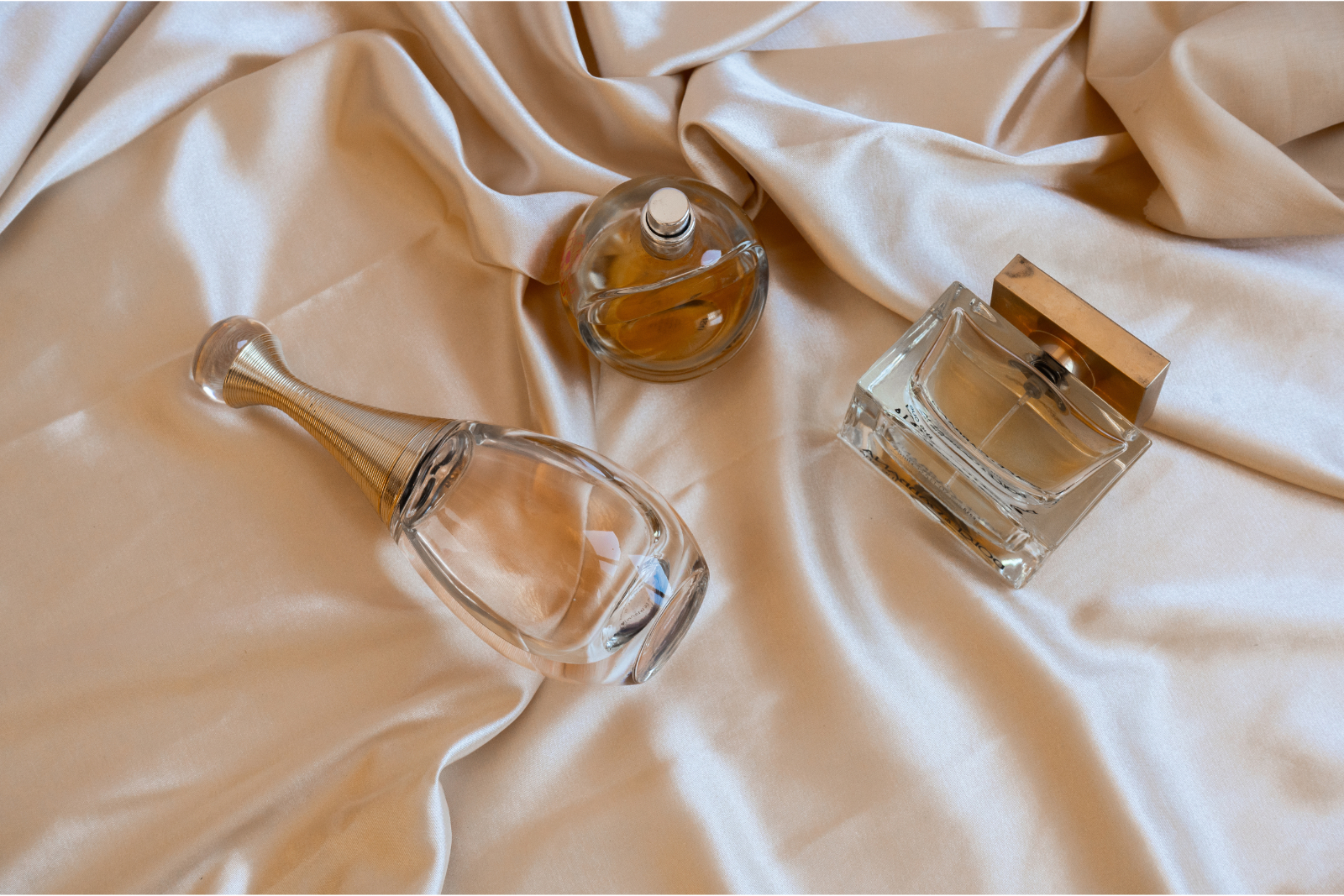
A signature scent does not mean you can only own one bottle. Many people build a small “scent wardrobe” around a core fragrance and add a few others for different moments.
Everyday and Daytime
Choose lighter, fresher scents for work, errands, and warm weather. Citrus, green tea, light florals, soft musks, and airy woods all fit. Eau de toilette and body mists are great here because they are less intense and easy to reapply. Keep it to one or two sprays, since you will be around the same people for hours.
Evening and Date Night
After dark, richer scents shine. Think vanilla, amber, incense, dark florals, spice, and smoky woods. These blends project well and feel more intimate. Eau de parfum or parfum concentrations are ideal because they last through dinner and beyond.
Special Events
For weddings, galas, holidays, or milestone nights, choose something memorable that you do not wear every day. A special-occasion perfume becomes tied to those moments and makes them easier to remember later. Pick a scent that suits the setting. A garden wedding calls for something floral or fresh. A winter party is the perfect time for warm amber or gourmand notes.
Work and Shared Spaces
Offices, classrooms, and planes are small spaces. Go lighter than you think you need to, and avoid heavy, sweet, or very sharp scents. The goal is for people to notice a pleasant hint when they stand close, not to smell you from across the room.
Seasonal Shifts
Most people feel drawn to fresh and floral scents in spring and summer, and to woody, amber, and gourmand scents in fall and winter. Heat amplifies fragrance, so use less in summer. Cold weather mutes it, so you can wear a bit more.
Beyond Spray Perfume: Other Ways to Wear Scent
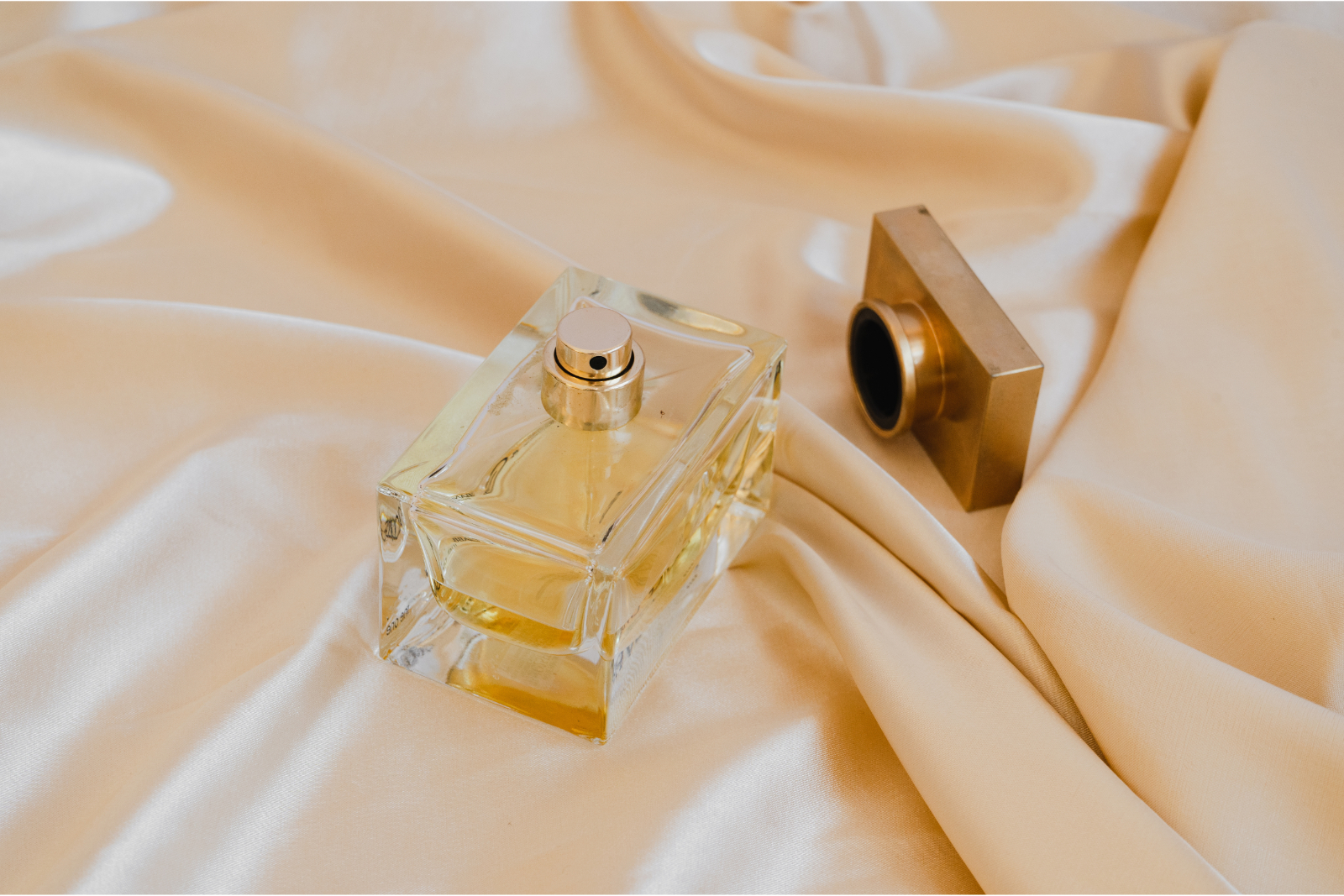
A bottle of perfume is only one way to wear fragrance. Layering different scented products can make your signature scent last longer and feel more personal.
- Body lotions and creams. A matching or complementary lotion gives perfume something to cling to, and it adds a soft background scent on its own. Many fragrance houses sell matching body products.
- Body oils. Oils sit close to the skin and release scent slowly, which makes them a great choice for a subtle, sensual finish. Dab a little on pulse points.
- Roll-on and solid perfumes. These are small, spill-proof, and easy to carry in a bag. They tend to be gentler than sprays and are perfect for reapplying during the day.
- Perfume oils and attars. Concentrated oils last a long time on skin and a small amount goes far. They are popular in many cultures, and they pair well with a spritz of spray on top.
- Scented deodorant. Choose a light, fresh or neutral deodorant that does not fight with your perfume. Matching deodorants exist for some fragrances.
- Shower gel, shampoo, and body wash. Scented bath products set a gentle base layer. Use them with the same scent family as your perfume.
- Hair mist. Made for hair, these are lighter on alcohol than regular perfume and leave a soft trail when you move.
- Body mists and splashes. These are light and low-pressure, great for summer and for people who prefer a hint of scent.
- Laundry scents. Fabric softener, scent boosters, and linen sprays can leave clothes smelling fresh for days. Pick one that complements your perfume rather than competing with it.
- Home fragrance. Candles, diffusers, and room sprays let you surround yourself with your favorite scent family. Some custom fragrance studios will even make a reed diffuser in your signature scent.
- Scented jewelry and sachets. Drawer sachets and lockets with fragrance oil add small, personal touches.
The general rule for layering is to stay in the same family, or use unscented products as your base. A vanilla body lotion under a warm amber perfume makes sense. A heavy gourmand lotion under a bright citrus perfume can clash. If you are not sure, test the combination on your skin before you go out.
His and Hers Scents (and Unisex Options)
Traditionally, perfume was divided into “for her” and “for him.” Women’s fragrances leaned floral, fruity, and sweet. Men’s fragrances leaned fresh, woody, spicy, and aromatic. Those categories are mostly marketing today, and your nose should matter more than the label.
For Her
Women’s fragrances often feature florals, fruits, vanilla, and soft musks. Popular styles include light daytime florals, creamy gourmands, and bold evening ambers. If you love traditionally feminine scents, you will find endless variety. If you want to try something different, browse the men’s and unisex sections too.
For Him
Men’s fragrances usually highlight citrus, lavender, woods, spice, leather, and fresh marine notes. Classic styles include fresh aromatic scents for work, woody scents for evenings, and warm spicy blends for cooler months. Keep in mind that many men’s fragrances work beautifully on women, and the reverse is true as well.
Unisex and Genderless Scents
Many modern fragrances skip the gender label entirely. Niche houses, in particular, design scents around moods and materials, such as smoky woods, salty air, incense, or skin-like musks. If you are shopping for a signature scent, these are worth exploring. Examples mentioned earlier, like Byredo Gypsy Water and Le Labo Santal 33, are often worn by everyone.
Matching Scents for Couples
Some couples like to wear complementary fragrances, such as a woody scent for him and a floral-woody for her, so that they smell good together. Others wear the same scent on purpose. Either approach is fine. If you share a scent, remember that it will smell a little different on each person because of skin chemistry.
A Quick Tip
Test fragrances without paying attention to the marketing. Close your eyes, smell the blotter, and decide if you like it first. Then read the label.
Gifting Perfume: How to Get It Right
Perfume makes a thoughtful gift because it feels personal and luxurious. It is also easy to get wrong, since scent is so individual. These tips help you choose with confidence.
- Pay attention to what they already wear. Check their dresser, their bathroom shelf, or the smell they leave behind. If you can discreetly find the name of their current perfume, you can choose something in the same family or a related flanker.
- Think about their style and personality. Someone who dresses classically might love a timeless floral. A person who loves camping and the outdoors may prefer woods and fresh air.
- When in doubt, go with a discovery set. A box of samples lets them choose their own favorite. It is a safe, fun gift for fragrance lovers and for anyone beginning their search.
- Consider a mini or travel size. Small bottles cost less and are easy to tuck into a bag. They also make nice stocking stuffers.
- Choose a crowd-pleaser if you are unsure. Soft musks, light vanilla, clean citrus, and gentle woods tend to please more people than bold, polarizing scents.
- Pick a gift set. Perfume plus a matching body lotion or shower gel gives them more to enjoy, and sets often cost less than buying each piece separately.
- Include a gift receipt. Even great picks sometimes miss. Make sure they can exchange it.
- Give an experience. A custom perfume workshop or a gift card to a perfume boutique lets them smell and choose in person.
It is wise to avoid gifting a very strong or unusual scent to someone whose taste you do not know, and to think twice about gifting perfume to coworkers or acquaintances, since scent is so personal. For close friends, partners, and family members, a well-chosen fragrance can be one of the most memorable presents you give.
Create Your Own Signature Scent: Custom Perfume Services
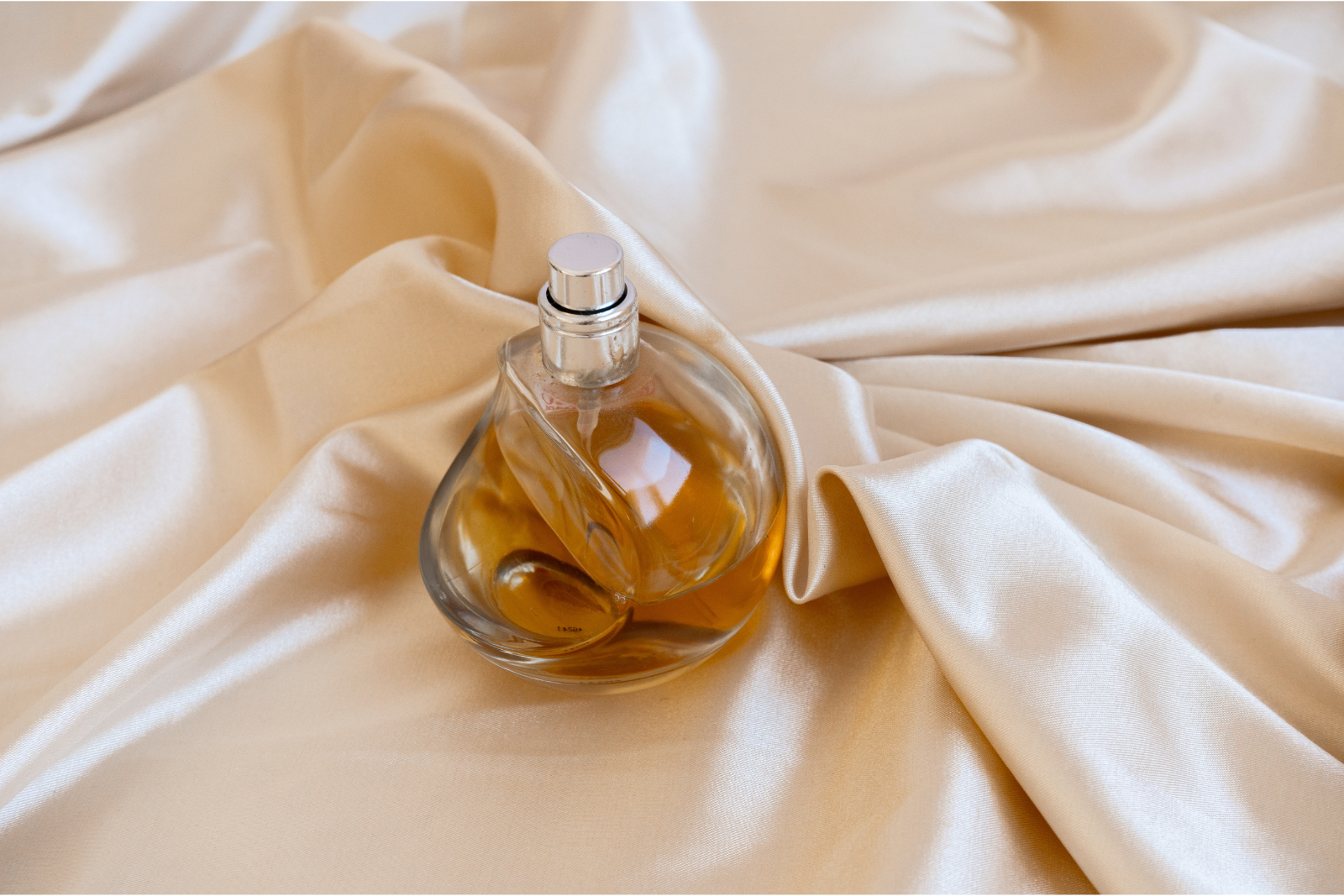
If you want a fragrance that nobody else wears, you can make your own. Custom perfume services guide you through choosing and blending notes, and they often save your formula so you can reorder later.
How Custom Scent Services Work
Most services follow a similar path. You start by sampling a set of base fragrances or note families, then pick your favorite and adjust it with additional notes. Some offer in-studio appointments with a scent advisor, while others send a kit to your home so you can work at your own pace. The final perfume is blended and bottled for you, and you can usually add a custom name or label.
Examples of Services to Explore
- Olfactory NYC. This New York shop offers a custom scent experience that you can do in a studio or at home. At-home customers receive an explorer box of nine core fragrances, choose a favorite, tweak it, and receive a full 50 ml custom perfume. At the time of writing, the experience starts at around $85, and your formula is saved for reorders. They also offer gift versions.
- PURA Botanicals. This clean-beauty brand offers custom perfume online, including a 7 ml oil roll-on, and stores your formula so you can reorder.
- Local scent bars and apothecaries. Independent shops in many cities host perfume-blending appointments, usually about an hour long. Hyssop Beauty Apothecary in New Jersey is one example. Search for a perfume workshop near you.
- At-home blending kits. Some perfume labs sell kits with notes, bottles, and instructions, so you can experiment on your own. These can run into a few hundred dollars.
- Luxury bespoke houses. At the top end, historic houses like Floris and Penhaligon’s have offered fully bespoke perfumes made with a master perfumer over several appointments. These have been reported to cost thousands of pounds, so they suit collectors and special milestones rather than everyday shoppers.
Tips for Creating Your Own
Start with notes you already know you like, and resist the urge to add everything. Simple blends often smell better than crowded ones. Ask the advisor how long the formula will last, whether it is made with natural or synthetic materials, and whether you can reorder. Finally, give yourself time. Let the blend rest and wear it for a couple of days before deciding it is perfect.
How Much Does Perfume Cost? What to Expect (and Why to Avoid Cheap Fakes)
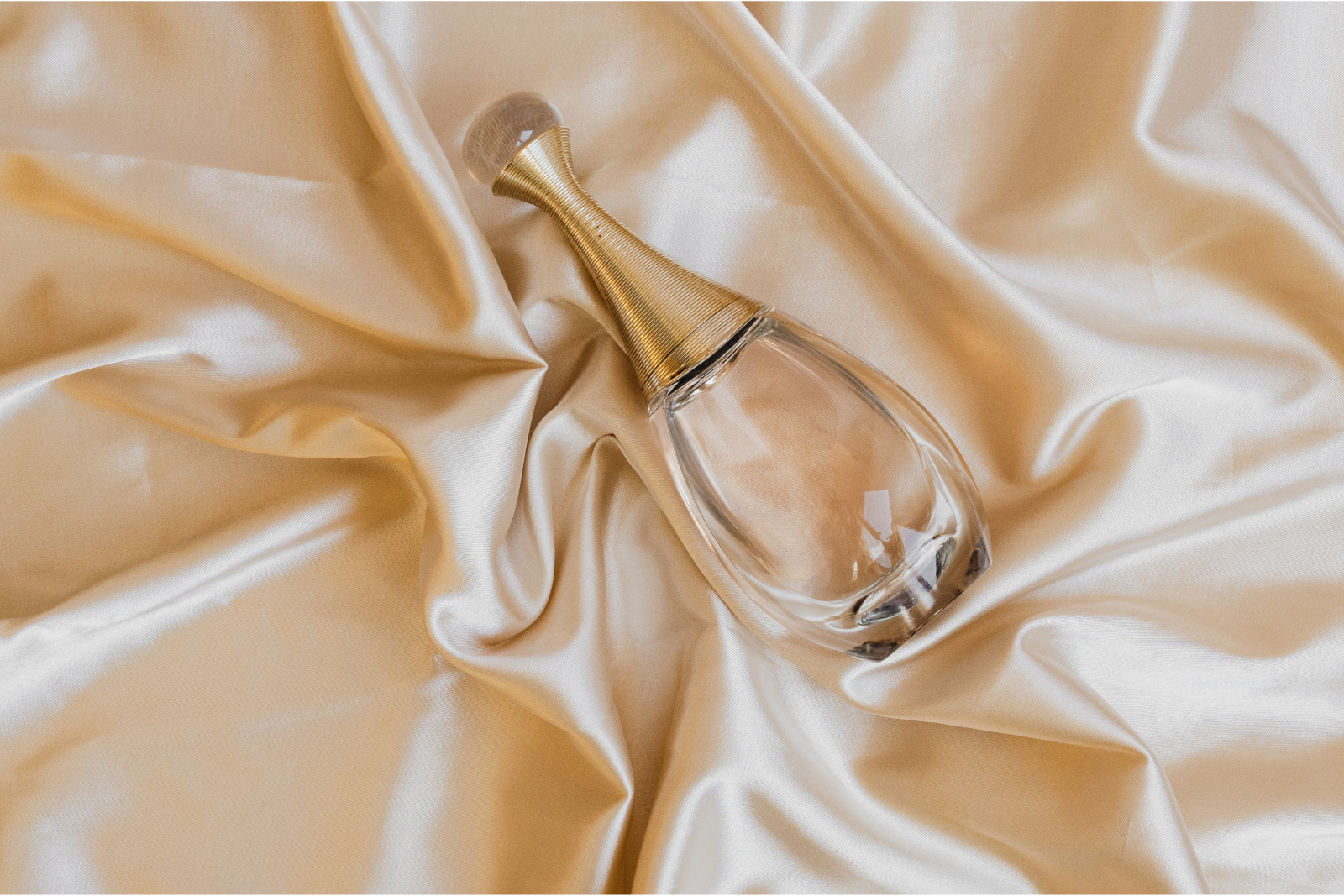
Perfume prices vary widely, and these ranges are general estimates in US dollars. Always check current prices, since sales and sizes change what you pay.
- Eau de cologne and body mists: roughly $10 to $40. Very light and short-lived, but fine for casual, budget-friendly use.
- Designer eau de toilette (about 1.7 oz): roughly $30 to $120. A common starting point for mainstream scents.
- Designer eau de parfum: roughly $80 to $300 depending on brand and size. This is where most people shop for everyday signature scents.
- Niche and luxury perfume: roughly $150 to $400 for many bottles, with rare and limited editions reaching $1,000 or more. You are paying for unusual ingredients, small-batch production, and artistry.
- Parfum or extrait: often $150 to $1,000 or more. It has the highest concentration of fragrance oil and tends to last the longest.
- Samples and decants: a few dollars for a 1 ml vial up to $20 or more for a larger decant. Worth every penny for testing.
- Custom perfume: around $85 to $110 for guided online options, a few hundred for a kit, and thousands for fully bespoke houses.
Price is not always a sign of quality, and a high price does not guarantee you will love a scent. Concentration, ingredient quality, and brand marketing all play a role. The best value is a perfume you love enough to wear often, so cost per wear is a more useful measure than the sticker price.
Why You Should Be Wary of Cheap Perfume
There is a big difference between an affordable, legitimate fragrance and a counterfeit or heavily discounted one that is too good to be true.
- Counterfeits can be unsafe. Fake perfumes are made with unknown ingredients and are not tested for skin safety. Reported problems include rashes, irritation, and headaches.
- They smell flat and fade quickly. Imitations often capture the opening but fall apart within an hour, with no real heart or base.
- They may be old or damaged. Gray-market sellers sometimes sell old stock that has been stored in heat or light, which breaks down the scent.
- They support harmful practices. Counterfeit markets undercut real perfumers and brands.
As a rule, if a luxury bottle is selling for half the usual price on an unknown site or marketplace, assume it is not real. Buy from authorized retailers, check for batch codes and sealed packaging, and take advantage of legitimate sales, gift sets, and sample sizes instead. Affordable options from legitimate brands, including drugstore and celebrity lines, can be perfectly good. The warning applies to fakes and suspiciously cheap listings, not budget-friendly brands that are honest about what they are.
What Not to Do When Wearing Perfume
These common mistakes can turn a beautiful fragrance into a headache for the people around you, or leave you smelling worse than you intended.
- Do not overspray. If you can smell your perfume strongly all day, you are probably wearing too much. Your nose adapts to a scent, so others can smell it long after you stop noticing it.
- Do not rub your wrists together. It breaks down the top notes and can flatten the way a scent develops.
- Do not spray right before a close meeting, a dinner, or a flight. Heavy fragrance can overwhelm others in small or shared spaces, and some people have allergies, asthma, or migraines triggered by strong scents.
- Do not wear a heavy scent to the office or to a restaurant. Save bold amber and gourmand perfumes for evenings and open spaces.
- Do not mix competing scents. A strongly scented shampoo, lotion, deodorant, and perfume can clash. Keep your products in the same family or choose unscented options.
- Do not apply perfume to irritated or freshly shaved skin. Alcohol-based fragrance can sting and cause irritation. Test new scents on a small patch of skin first.
- Do not spray perfume on jewelry or delicate fabrics. Perfume can tarnish some metals, damage pearls, and stain silk or light fabrics.
- Do not apply perfume and then go out in direct sun. Some fragrances, especially those with citrus oils, may cause skin irritation or discoloration in the sun.
- Do not store perfume in the bathroom. Heat, light, and humidity break down fragrance faster. Keep bottles in a cool, dark place.
- Do not judge a perfume after one sniff. Wait for the dry-down before you decide.
- Do not wear a scent just because it is popular. If it does not feel like you, it will not feel like a signature.
Frequently Asked Questions About Finding a Signature Scent
How do I find my signature scent?
Start by identifying the scent families you enjoy, such as floral, fresh, woody, or amber. Test three or four fragrances on your skin, wait for the dry-down, and wear your favorites for a full day. Repeat the test on another day, then choose the one you still love.
How long does it take to find a signature fragrance?
It varies. Some people know within a few weeks. Others take months of sampling. Rushing leads to regret, so give yourself time and use samples.
Can I have more than one signature scent?
Yes, but a true signature scent is the one people associate with you. Many people keep one core fragrance and add a few others for seasons, evenings, or special events.
Why does perfume smell different on me than on someone else?
Skin chemistry, body temperature, diet, and skin hydration all affect how fragrance develops. That is why you should always test on your own skin instead of relying on a friend’s recommendation or a blotter alone.
How many sprays of perfume should I wear?
One to three sprays is enough for most scents. Use fewer for strong or heavy fragrances, and a bit more for light, fresh ones.
What is the difference between eau de parfum and eau de toilette?
Eau de parfum has a higher concentration of fragrance oil and usually lasts longer and costs more. Eau de toilette is lighter, more refreshing, and a good choice for daytime or hot weather.
Is it worth buying expensive perfume?
Only if you love it and will wear it. Price does not guarantee that a scent suits you. Sample first, and judge a perfume by how it smells on you over many hours, not by the label.
Final Thoughts: Your Scent, Your Story
Finding your signature fragrance is a small, enjoyable adventure. Learn the scent families, sample before you commit, apply it with care, and build a wardrobe around a core scent that feels like you. Whether you pick a classic from a famous house, a quiet niche discovery, or a custom blend made just for you, the right perfume becomes part of your story. The people you love will remember it long after you leave the room.