
Beginner’s Guide to Using Peptides in Your Skincare Routine
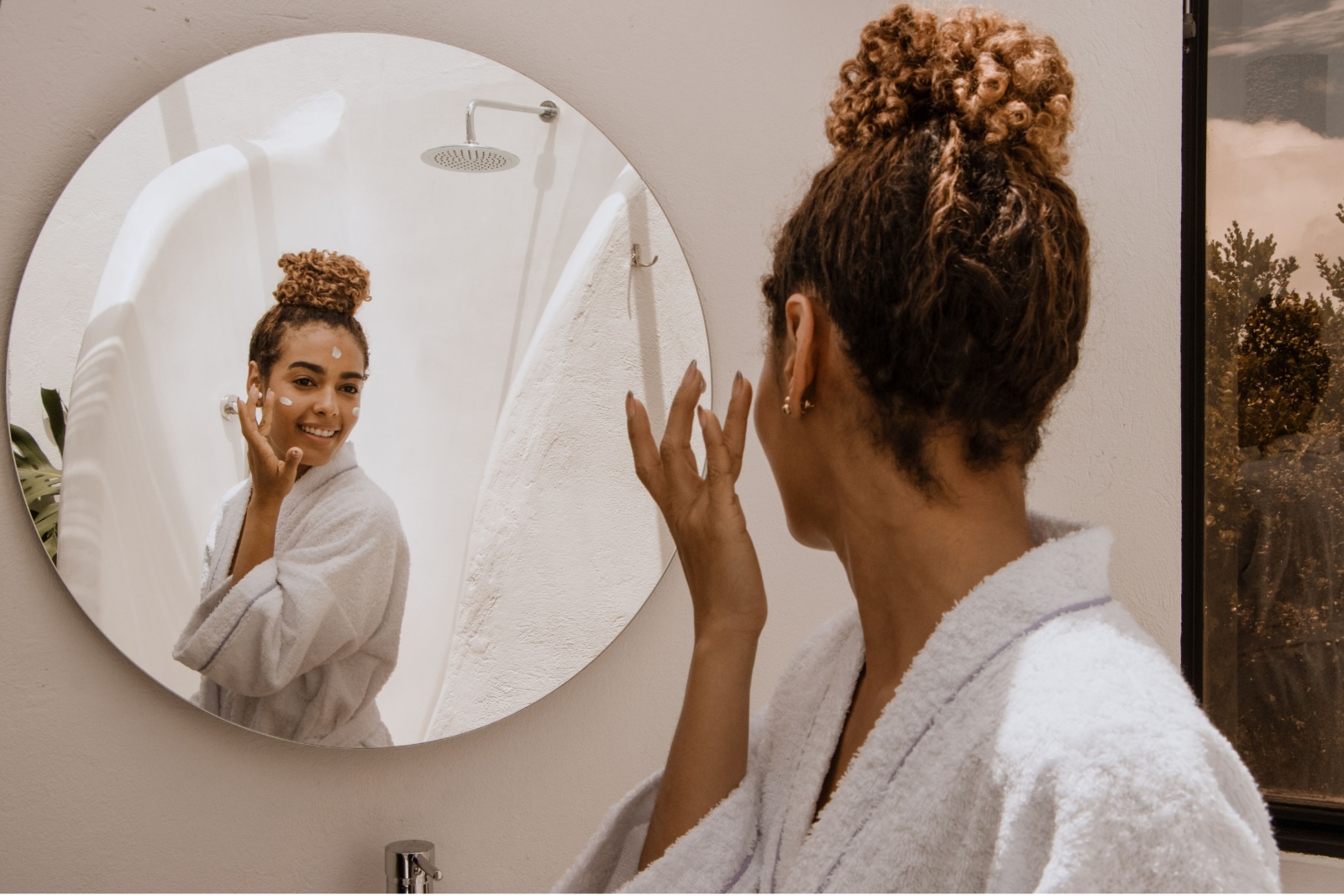
If you have wandered down the skincare aisle lately, you have probably noticed the word “peptide” on everything from budget moisturizers to luxury serums. This beginner’s guide explains what peptides actually do, how to use them without wasting money, and which products are worth adding to your cart in 2026.
What Are Peptides?
Peptides are short chains of amino acids, the same building blocks your body uses to make proteins like collagen and elastin. Collagen and elastin are what keep skin looking firm and bouncy, and our natural supply drops as we age.
In skincare, peptides act like tiny messengers. According to dermatologist Tiffany Libby, MD, FAAD, in a Who What Wear peptide guide, topical peptides can tell skin cells to build collagen and elastin and calm inflammation. Not every peptide does the same job, so it helps to know the four main groups:
- Signaling peptides encourage skin to make new collagen and elastin. Matrixyl is a well-known example.
- Carrier peptides deliver trace minerals to the skin. Copper peptides (GHK-Cu) are the best-known type.
- Enzyme-inhibiting peptides help slow the breakdown of collagen.
- Neurotransmitter-inhibiting peptides aim to soften expression lines. Their effect is much milder than injectables.
Most products blend several peptide types, which is why labels often say “multi-peptide.”
How Should You Use Peptides?
Peptides are one of the easier active ingredients to work into a routine. A few simple habits make the biggest difference:
Apply after cleansing.
Use peptide serums on clean skin, before your moisturizer. The general rule is to layer from thinnest texture to thickest.
Use a small amount.
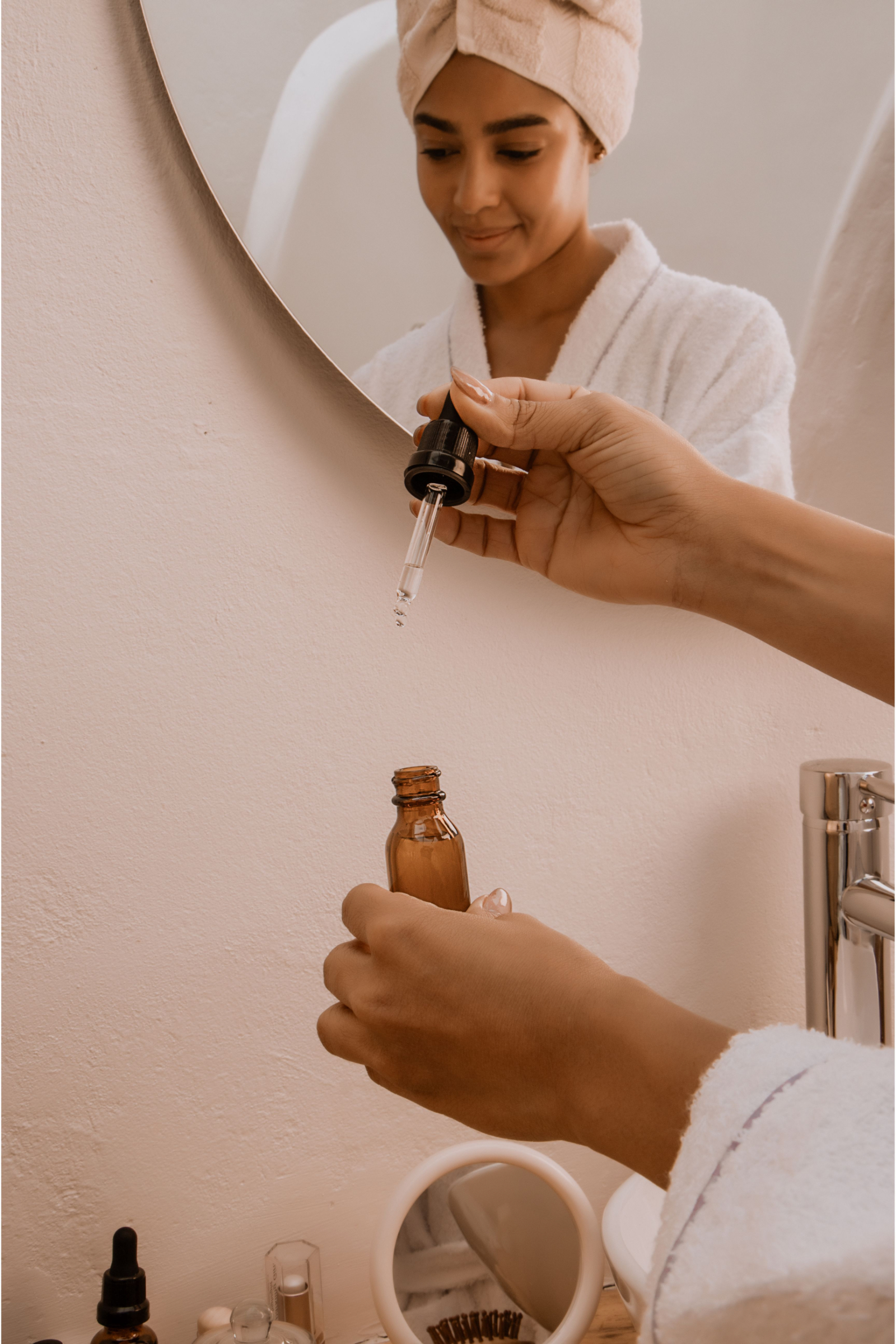
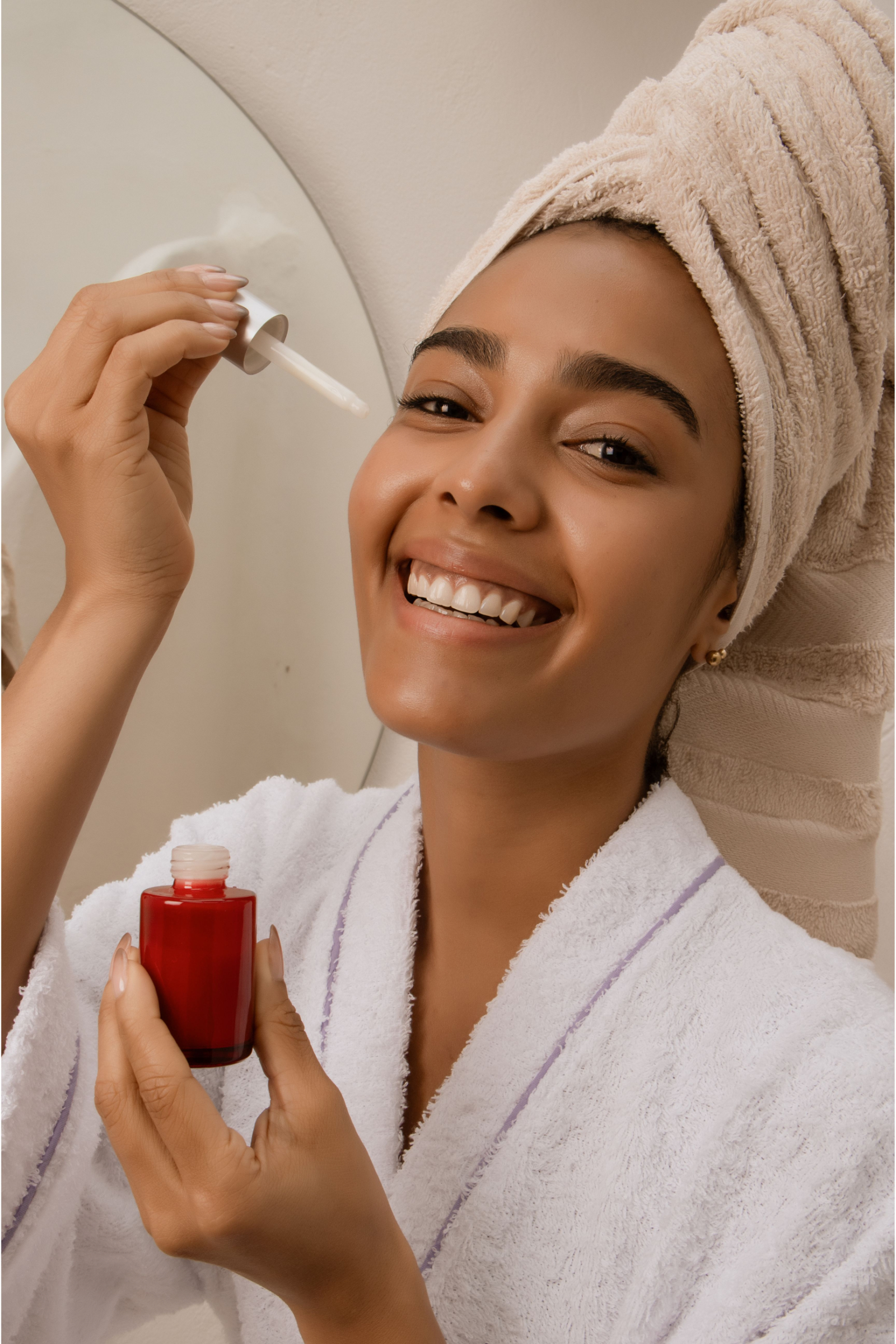
Most serums need only a few drops for the whole face and neck. Using more does not speed up results.
Go morning, night, or both.
Most peptide products are gentle enough for twice-daily use. Check the label on yours.
Finish with sunscreen in the morning.
Peptides do not protect you from UV damage, and sun is the biggest driver of visible aging.
Be patient.
Brands often cite visible changes in about four to twelve weeks. For example, Paula’s Choice points to firming in four weeks, and Medik8 ran its clinical testing over eight weeks.
Why Have Peptides Become So Popular?
There are a few reasons peptides have moved from niche ingredient to everyday staple.
They are gentle.
Retinol is the most researched anti-aging ingredient, but it can cause dryness and peeling. Peptides rarely do, so they appeal to people with sensitive skin or anyone nervous about stronger actives. Dermatologists in the Who What Wear piece also note that most people can benefit from peptides, and that they pair well with retinol rather than competing with it.
They fit almost any budget.
You can find a solid peptide moisturizer at the drugstore for around $30 or splurge on a clinical-style serum. Both options exist, and we cover examples of each below.
They play well with others.
Peptides layer easily with hyaluronic acid, niacinamide, and ceramides, which makes them simple to add without rebuilding your whole routine.
Social media gave them a boost.
Viral products like Naturium’s Multi-Peptide Serum and The Ordinary’s copper peptide formulas have kept peptides in the spotlight for years.
A quick honest note: peptides are helpful, but they are not magic. The research on peptides is promising yet less extensive than the research on retinoids and vitamin C, so think of them as a smart supporting player in your routine, not a replacement for sunscreen or a dermatologist’s care.
Peptide Shopping List: Popular Products Worth Trying
These picks run from drugstore budget to splurge. Prices are US prices checked in November 2026 and change often, so confirm at checkout. They are listed from least to most expensive.
The Ordinary Matrixyl 10% + HA
What it is: A simple, lightweight serum built around two forms of Matrixyl, a signaling peptide, plus hyaluronic acid for hydration. It targets fine lines and firmness.
How to get the most out of it: Apply a few drops to clean skin morning and night, then follow with moisturizer. Product directions on retailer listings advise keeping it away from direct acids and direct vitamin C in the same routine, so give those their own time slot. (directions as listed by a retailer)
Price: About $10.90 for 30 ml at Ulta.
Where to buy: Ulta Beauty (including Ulta at Target) and The Ordinary’s website.
CeraVe Skin Renewing Night Cream
What it is: A fragrance-free night moisturizer with a peptide complex and hyaluronic acid, plus CeraVe’s usual barrier-friendly ceramide base.
How to get the most out of it: Use it as your last step at night. Dot it over the face and smooth it in. It is a good first peptide product if you want something gentle and cheap.
Price: About $15.49 for 1.7 fl oz at Target.
Where to buy: Target, Walmart, and most drugstores.
Naturium Multi-Peptide Advanced Serum
What it is: A creamy-lightweight serum with a multi-peptide blend that includes encapsulated copper peptides and Argireline, plus encapsulated ferulic acid and collagen. It is fragrance-free, vegan, and aimed at texture and fine lines.
How to get the most out of it: Apply an even layer to the face, neck, and chest, then moisturize. Naturium says it can be used day and night. The formula contains shea butter, so people with very oily skin may prefer a small amount or nighttime use. A few shoppers on Target’s page mention a noticeable scent, so patch test first. (Target product page)
Price: $24.99 for 1 fl oz.
Where to buy: Target, Naturium.com, and Amazon.
Olay Regenerist Collagen Peptide 24 Moisturizer
What it is: A fragrance-free cream with collagen peptide and niacinamide (vitamin B3) that hydrates and plumps. It is one of the best-known drugstore peptide creams.
How to get the most out of it: Smooth it on morning and night. Pair it with a separate sunscreen in the day if you use the non-SPF version. Olay also makes a version with SPF 30 for daytime.
Price: About $29.94 for 1.7 oz at Walmart.
Where to buy: Walmart, Target, and drugstores. Costco sometimes sells two-packs.
The Ordinary Multi-Peptide + Copper Peptides 1% Serum
What it is: The renamed version of the “Buffet” + Copper Peptides 1% serum. It combines several peptide technologies with 1% copper tripeptide-1 (GHK-Cu), which gives the formula a visible blue tint. (Escentual listing)
How to get the most out of it: Use it on clean skin in the morning or evening. Copper peptides can clash with vitamin C, so run vitamin C in the morning and this serum at night. Dermatologist Caren Campbell, MD, explains why in Well+Good.
Price: Listed at about $32 for 30 ml on The Ordinary’s US site, though some resellers charge more. Stock has been spotty, so check before you order.
Where to buy: The Ordinary’s website and select beauty retailers like Sephora.
Paula’s Choice Pro-Collagen Multi-Peptide Booster
What it is: A lightweight gel booster with newer lab-engineered peptides aimed at supporting collagen and elastin. It is fragrance-free and suits sensitive skin. The brand says lines look smoother within 15 minutes, and that firmness improves after four weeks of regular use.
How to get the most out of it: Use it once or twice a day after cleansing and toning. Dispense a pearl-sized amount and apply it alone, or mix it into your favorite serum or non-SPF moisturizer. You can also use two or three drops added to a night cream. The brand notes that it has a slight scent that fades quickly. (Paula’s Choice)
Price: Around $58 to $59 for 20 ml at Kohl’s. The small bottle goes quickly.
Where to buy: PaulasChoice.com, Sephora, and Kohl’s.
Drunk Elephant Protini Polypeptide Cream
What it is: A gel-cream moisturizer with nine signal peptides, growth-factor ingredients, amino acids, and pygmy waterlily extract. It is fragrance-free and silicone-free. (Skincarisma)
How to get the most out of it: Apply after your serums and before facial oil and sunscreen, morning or night. You can also mix a pump with a serum in your palm for a lighter feel.
Price: $69 for 50 ml at Sephora. Travel sizes and refills are available.
Where to buy: Sephora and DrunkElephant.com.
Medik8 Liquid Peptides Advanced MP
What it is: A clinic-style serum aimed at deeper expression lines, built around a high concentration of peptides plus two engineered “MiniProteins.” In an eight-week consumer study with 91 participants, 86% agreed no new visible lines formed while using it. These are the brand’s own commissioned results, so treat them as promising rather than proven. (Sephora)
How to get the most out of it: Apply about six drops to the face or palms morning and night, keep it away from the eye area, and let it absorb before the next step. It contains dimethicone, so people who avoid silicones should skip it. (Eat Proteins review)
Price: $95 for 30 ml at Sephora, and around $92 at Dermstore.
Where to buy: Sephora, Dermstore, and Medik8.com.
Sample Daily Skincare Routines With Peptides
The best routine is the one you will actually follow. Here are five easy setups, each built around the peptide products above and paired with simple, widely available partners. Swap in whatever cleanser, moisturizer, and sunscreen already work for your skin.
1. The Minimalist Starter Routine
Best for beginners who want one new product and minimal fuss.
Morning
- Gentle cleanser, such as CeraVe Hydrating Cleanser
- Naturium Multi-Peptide Advanced Serum
- Moisturizer, such as La Roche-Posay Toleriane Double Repair
- Broad-spectrum sunscreen, SPF 30 or higher
Evening
- Gentle cleanser
- Naturium Multi-Peptide Advanced Serum
- Your usual moisturizer
2. The Budget-Friendly Routine
Best for keeping costs low while still getting peptides morning and night.
Morning
- CeraVe Hydrating Cleanser
- The Ordinary Matrixyl 10% + HA
- CeraVe AM Facial Moisturizing Lotion with SPF 30
Evening
- Cleanser
- The Ordinary Matrixyl 10% + HA
- CeraVe Skin Renewing Night Cream
3. The Vitamin C and Copper Peptide Split
Best for brightening and firming without cancelling either ingredient out. Copper peptides and vitamin C are the one pairing worth keeping in separate parts of the day, as noted by dermatologist Caren Campbell, MD, in Well+Good.
Morning
- Gentle cleanser
- Vitamin C serum, such as Naturium Vitamin C Complex Serum
- Olay Regenerist Collagen Peptide 24 Moisturizer (it uses a non-copper collagen peptide)
- Sunscreen
Evening
- Cleanser
- The Ordinary Multi-Peptide + Copper Peptides 1% Serum
- A simple ceramide moisturizer
4. The Peptide and Retinol Routine
Best for anyone ready for stronger anti-aging care. Dermatologists quoted by Who What Wear say the two ingredients work well together, either in the same routine or split between morning and night. Add retinol slowly, starting two nights a week, and let your skin adjust before increasing.
Morning
- Gentle cleanser
- Paula’s Choice Pro-Collagen Multi-Peptide Booster
- Moisturizer
- Sunscreen
Evening (retinol nights, two to three per week)
- Cleanser
- Retinol or retinal serum, such as Naturium Retinaldehyde Cream Serum. Naturium says it layers well with its peptide serum.
- Moisturizer
Evening (off nights)
- Cleanser
- Peptide booster
- Moisturizer
5. The Splurge Routine for Mature or Dry Skin
Best for a more luxurious, hydrating routine.
Morning
- Cream cleanser
- Hyaluronic acid serum, such as Naturium Quadruple Hyaluronic Acid Serum 5%
- Medik8 Liquid Peptides Advanced MP
- Drunk Elephant Protini Polypeptide Cream
- Sunscreen
Evening
- Cleanser, then a hydrating serum if you like
- Medik8 Liquid Peptides Advanced MP
- Drunk Elephant Protini Polypeptide Cream
A Quick Layering Rule
Apply products from thinnest to thickest. Cleanser first, then water-based serums such as hyaluronic acid or peptide serums, then moisturizer, then sunscreen in the morning. Hyaluronic acid pairs well with peptides, so it goes on first when you use both.
What to Avoid When Using Peptides
Peptides are forgiving, but a few mistakes can cost you results or irritate your skin.
Mixing copper peptides with vitamin C.
This is the biggest one. Dermatologist Caren Campbell, MD, says copper peptides can oxidize vitamin C and weaken its antioxidant effect, and she suggests splitting them between morning and night or alternating days. One brand-written layering guide points out that this advice comes from chemistry in solution and that no human study has tested the pairing in a spaced-out routine (EvenSkyn). Because splitting them costs you nothing, it is an easy rule to follow. Non-copper peptides are generally less of a concern.
Layering peptides with strong acids at the same time.
Glycolic acid, salicylic acid, and other exfoliating acids can irritate skin, and acidic products may interfere with some peptides. Use acids on a different night, or in a different part of the day, from your peptide serum. Some product directions, such as The Ordinary’s Matrixyl, specifically tell you to keep it apart from direct acids.
Pairing peptides with benzoyl peroxide.
One peptide layering guide recommends keeping these two separate. If you use a benzoyl peroxide acne product, apply it at a different time from your peptide serum (Peptide Journal).
Doubling up on retinoids.
Peptides and retinol get along, but stacking several retinoid products at once is a recipe for dryness. Dermatologist Shirley Chi, MD, warns against using two retinoids together, for example a retinol serum plus adapalene.
Skipping sunscreen.
Peptides help skin look firmer, but they do not block UV light. Sun damage breaks down collagen faster than any serum can rebuild it, so daily SPF 30 or higher is non-negotiable.
Expecting overnight results.
Most brands cite four to twelve weeks for visible changes. If you switch products every two weeks, you will never know what is working.
Buying from random third-party sellers.
Many popular peptide serums turn up on marketplace sites at odd prices, and counterfeits and old stock are a real risk. Buy from the brand or an authorized retailer such as Sephora, Ulta, Target, or Walmart. Also steer clear of unregulated “research peptides” sold online for injection. Those are a completely different thing from the cosmetic peptides in this guide.
Ignoring your skin’s signals.
Burning, stinging, or breakouts mean stop. A few reviewers of popular peptide serums report irritation or breakouts, which shows even gentle formulas do not suit everyone. Patch test on your inner arm or behind the ear for a few days first, and stop if you react.
Using peptides during pregnancy without checking first.
Brands like Naturium advise asking your doctor before using their formulas while pregnant or nursing, and that is sensible advice for any new active.
More Tips for Getting Real Results
How to Read a Peptide Label
A product that says “peptides” on the front is not always loaded with them. Flip it over and look at the ingredient list for names that contain “peptide,” such as acetyl hexapeptide-8, palmitoyl tripeptide-1, copper tripeptide-1, or Matrixyl. Ingredients are listed from highest to lowest amount, so peptides near the top are a better sign than peptides buried at the end beside the preservatives. Brands that publish clinical or consumer study details, like Medik8 and Paula’s Choice, give you something concrete to evaluate, though company-run studies deserve a grain of salt.
Peptides Compared With Retinol and Vitamin C
Think of the three as a team with different jobs. Retinol speeds up cell turnover and has the most research behind it, according to dermatologists quoted by Who What Wear. Vitamin C is an antioxidant that helps brighten skin and fight free-radical damage. Peptides signal skin to support collagen and hydration and tend to be the gentlest of the three. If your skin is sensitive, start with peptides. If it is not, you can build toward all three over several months.
How to Introduce a New Peptide Product
- Patch test on the inner forearm or behind the ear for three to four days.
- Start with once a day, usually at night, for the first week or two.
- Move to twice daily if your skin stays calm.
- Add only one new active at a time, so you can tell what caused any reaction.
- Take a photo in the same lighting every two weeks to track changes.
Storage and Shelf Life
Keep serums away from heat and direct sunlight, and close the cap or pump tightly. Naturium says its peptide serum has a shelf life of three years unopened and recommends using it within twelve months of opening (Target Q&A). Check the label on any product you buy for its own guidance.
When to See a Dermatologist
Peptides support healthy-looking skin, but they will not treat acne, rosacea, melasma, or persistent irritation. If you have a skin condition, are pregnant or nursing, or are unsure what is safe, talk to a board-certified dermatologist before building a routine around new actives.
Peptide Skincare FAQ
What do peptides do for your skin?
Topical peptides act as messengers that encourage skin to support collagen and elastin, improve hydration, and calm inflammation. They can make skin look smoother, firmer, and plumper over time. They will not erase deep wrinkles or replace injectables or in-office treatments.
How long do peptides take to work?
Some serums create a temporary smoothing effect within minutes, but lasting changes usually take about four to twelve weeks of consistent use. Paula’s Choice cites four weeks for firming, and Medik8’s consumer study ran for eight weeks.
Can I use peptides every day?
Yes. Most peptide serums and creams are designed for daily use, morning and night. Start once a day and increase if your skin tolerates it.
Should I use peptides in the morning or at night?
Either works, and many people use them both times. If you use vitamin C in the morning and a copper peptide serum, put the copper peptides at night. If you use retinol at night, peptides in the morning is a simple way to separate them.
Do peptides go before or after moisturizer?
Before. Apply peptide serums after cleansing and before moisturizer. If your peptide product is itself a moisturizer, it is your moisturizer step.
Can I use peptides with retinol?
Yes, in most cases. Dermatologists quoted by Who What Wear describe the two as complementary. If your skin is sensitive, introduce one at a time and use small amounts at first.
Can I use peptides with vitamin C?
It depends on the peptide. Copper peptides are the main exception, so use vitamin C in the morning and copper peptides at night. Many other peptide products are less of a concern. Naturium says its encapsulated formula layers with vitamin C, but if your skin is reactive, spacing them out is an easy safeguard.
Can I use peptides with niacinamide and hyaluronic acid?
Yes. Both pair well with peptides, and hyaluronic acid especially helps keep skin hydrated and supple.
Are peptides safe for sensitive skin?
Peptides are generally gentle and often recommended for people who cannot tolerate stronger actives, but no ingredient is right for everyone. Patch test any new product, and look for fragrance-free formulas.
Are peptides safe during pregnancy?
Check with your doctor. Some brands specifically recommend asking a physician before using their products while pregnant or nursing.
Are peptides better than retinol?
Neither is simply better. Retinol has more research behind it, while peptides tend to be gentler. Many routines use both.
Are expensive peptide products worth it?
Not always. A $15 to $30 peptide moisturizer or serum can be a solid choice, and higher-priced options mostly offer more elegant textures, higher peptide concentrations, or brand-run clinical testing. Start affordably, and upgrade if you want a different feel or specific results.
Can peptides replace Botox or fillers?
No. Some peptides are described as working like a gentler version of neurotoxins, but their effect is much milder. Think of them as a way to support skin quality, not as a substitute for medical procedures.
Can I use peptides around my eyes?
That depends on the product. Some labels say yes, while others, like Medik8’s, say to avoid the eye area. Follow the directions on your product, or choose a dedicated peptide eye cream.
The Bottom Line
Peptides are one of the easiest ways to add an anti-aging step to your routine without the redness and peeling that stronger actives can bring. Start with one product that fits your budget, use it consistently for at least a month or two, and wear sunscreen every morning. Keep copper peptides and vitamin C in separate parts of your day, buy from authorized sellers, and patch test before you commit.
If you are not sure where to begin, The Ordinary Matrixyl 10% + HA or the CeraVe Skin Renewing Night Cream are inexpensive ways to try peptides. Naturium’s serum or Olay’s Collagen Peptide 24 are good next steps. Save the higher-priced options for later, once you know peptides work for your skin.
This article is for general information and is not medical advice. Prices and product details were checked in November 2026 and may change, so confirm with the retailer.