Book Review: HOMEGROWN—Illustrated Bites from Your Garden to Your Table by Heather Hardison
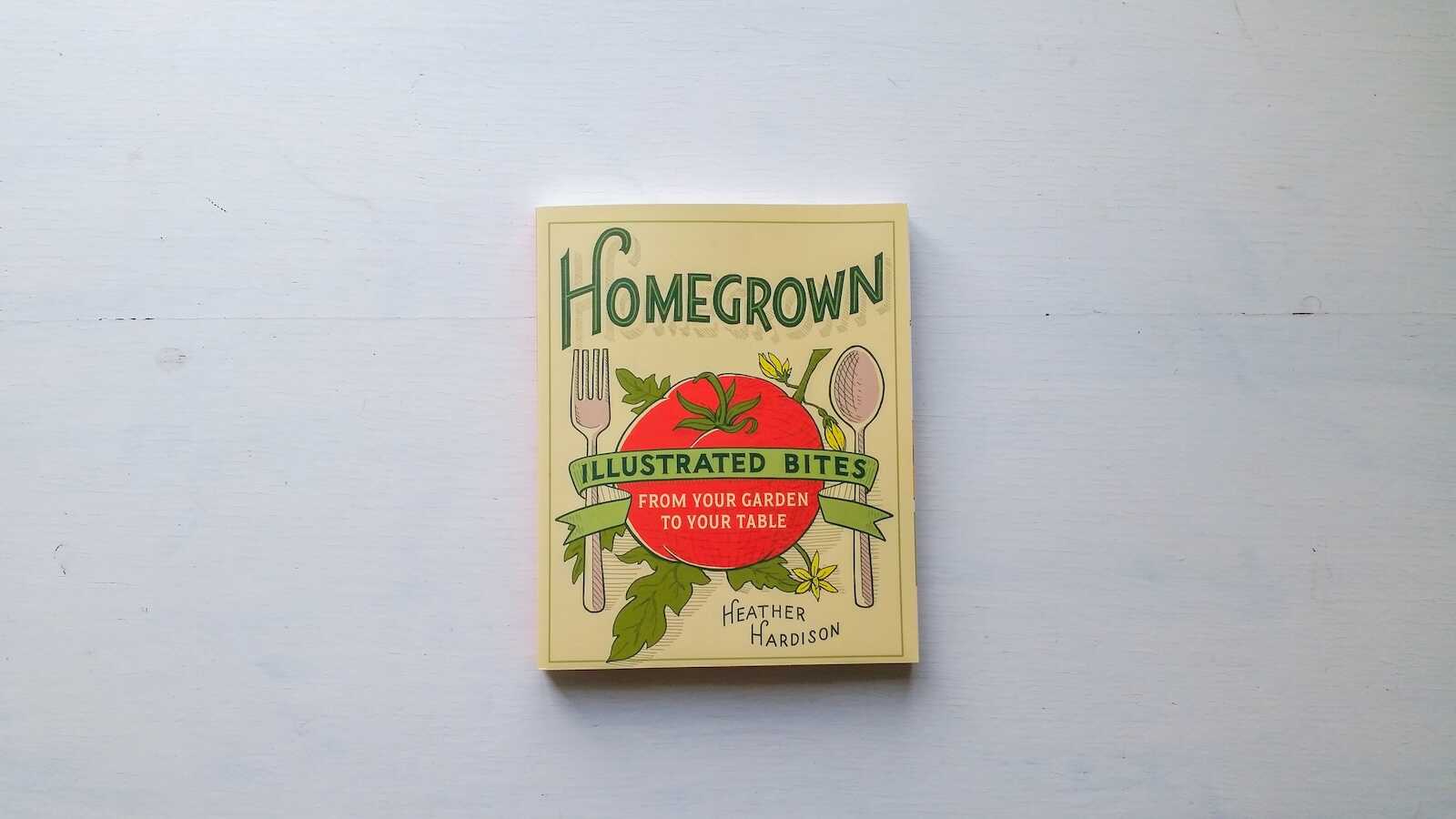
A charming hybrid of beginner-friendly gardening guide and approachable cookbook, Homegrown teaches you how to plant, harvest, and cook more than 25 easy crops with step-by-step illustrations and seasonal recipes. It’s ideal for visual learners, kitchen-garden newbies, and anyone who wants a gentler, more artistic on-ramp to seasonal eating. First published by Stewart, Tabori & Chang (an ABRAMS imprint) on April 14, 2015, the book runs 176 pages and remains wonderfully timeless thanks to its clear drawings and focused scope.
Why this Book Stands Out
Most gardening books drown you in Latin names and soil chemistry before you’ve even planted a seed, while many cookbooks assume market access to perfect produce every week. Homegrown meets you in the middle. Its core promise is simple and refreshing: grow a little, cook a little, learn a lot—all guided by illustrations that make the process unintimidating and, frankly, delightful. Chef Ashley Christensen captured it well in a published blurb praising the way the book connects garden and kitchen through warm, seasonal visuals.
Heather Hardison—an illustrator and sign painter who launched the food-illustration blog Illustrated Bites—wrote, illustrated, and designed the entire book herself. That single-vision authorship shows: the tone is encouraging, the diagrams are consistent, and the page layouts move seamlessly from sowing to sautéing.
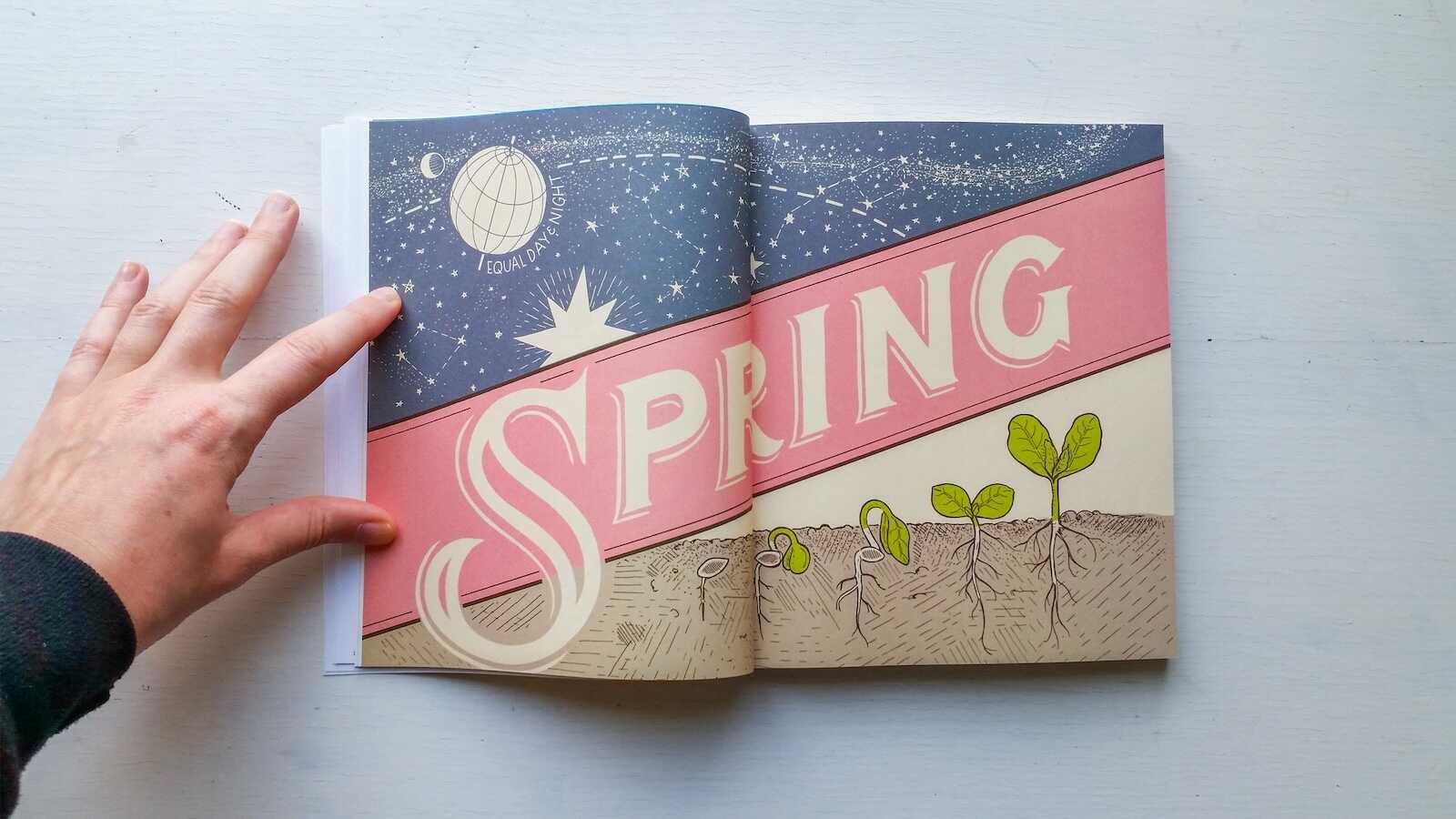
What’s Inside: Structure and Flow
The book is organized around the growing season, which doubles as a meal-planning framework. Each section pairs:
- Crop primers (how to plant, thin, water, trellis, and harvest specific vegetables and small fruits),
- Illustrated techniques (e.g., peeling fava beans, chiffonading herbs), and
- Seasonal recipes that highlight peak flavor with minimal fuss.
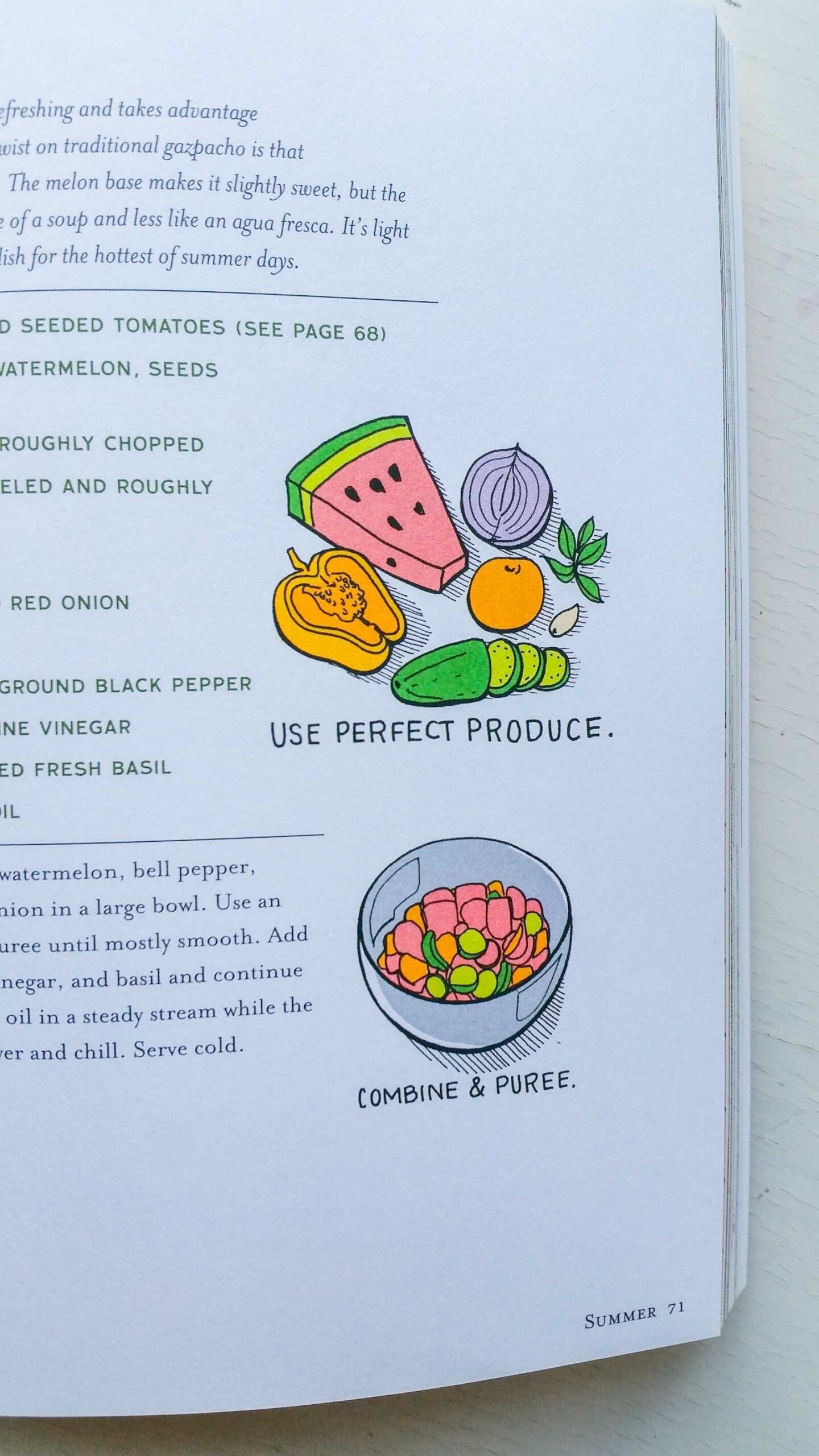
Representative recipes mentioned across retailer and excerpt pages include Fava Bean Crostini, Tomato & Watermelon Gazpacho, and Parsnip Hummus—each designed to celebrate a single, fresh ingredient rather than bury it under cheffy complexity.
You’ll also find concise guidance for small-space growers (potted herbs, patio tomatoes) and use-it-up skills like quick pickling and basic canning—useful when your garden all ripens at once. Several retailer and publisher pages describe it explicitly as part cookbook, part gardening guide, which is the most accurate elevator pitch.
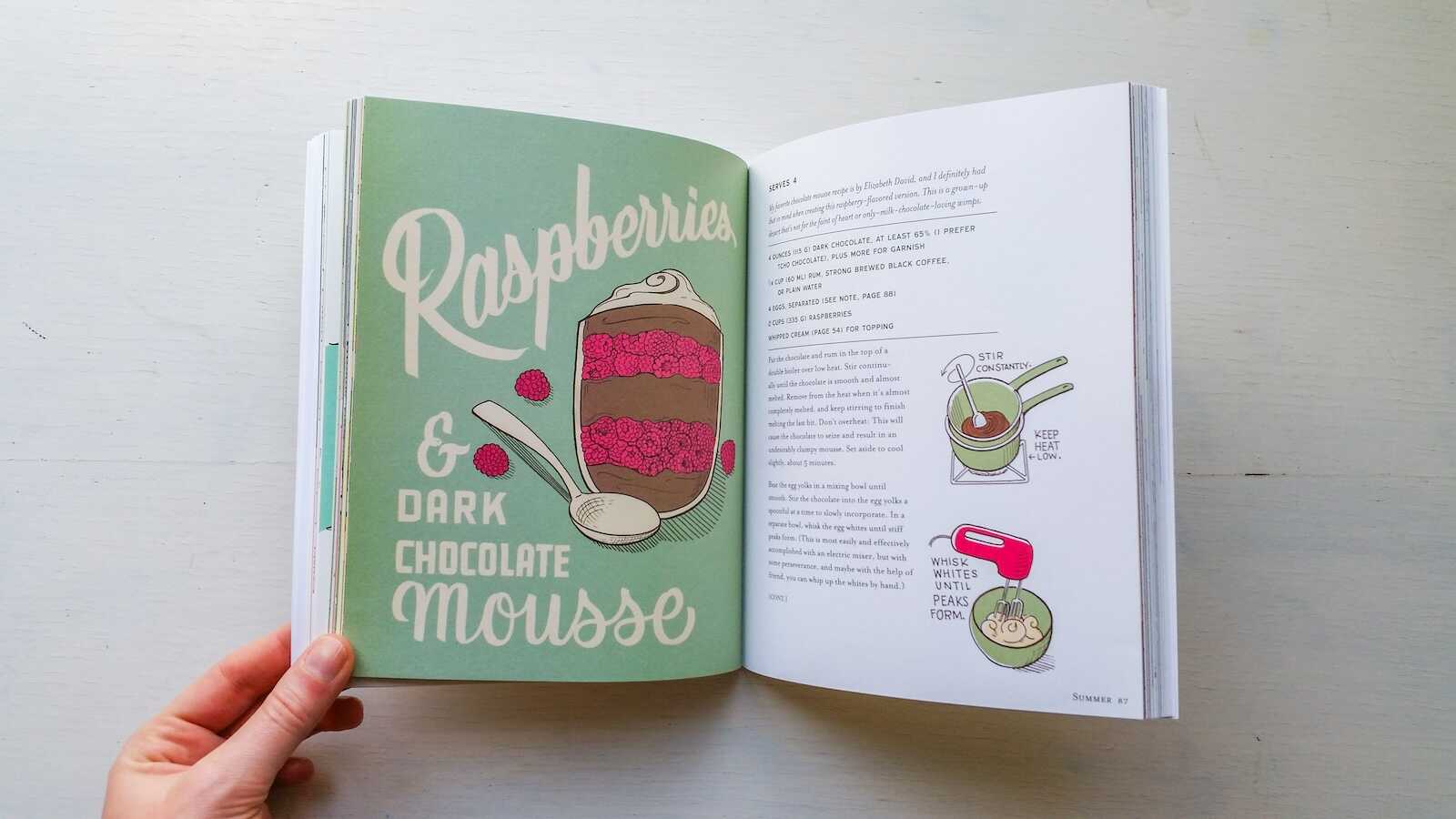
The Illustrations: Teaching by Drawing
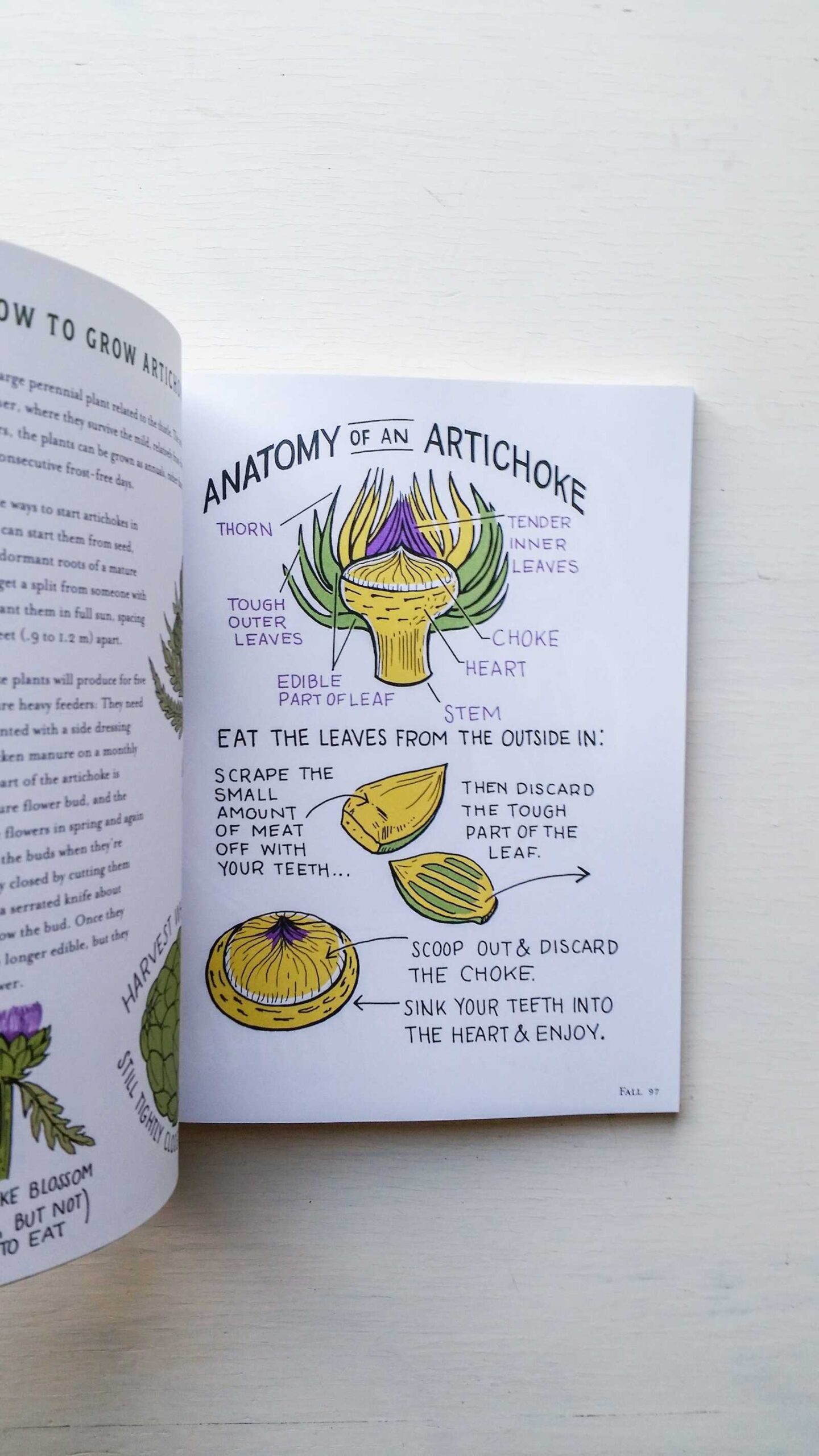
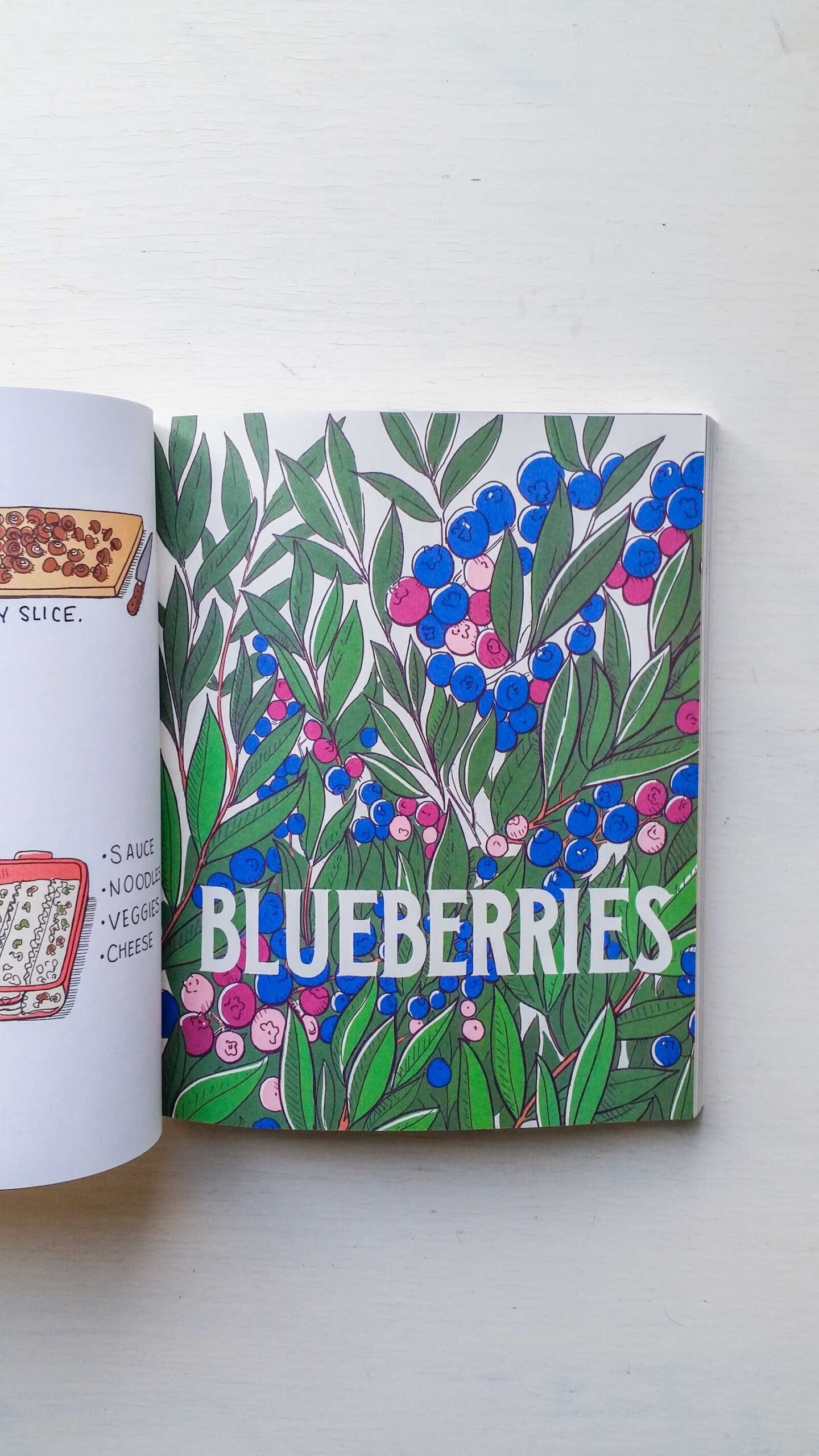
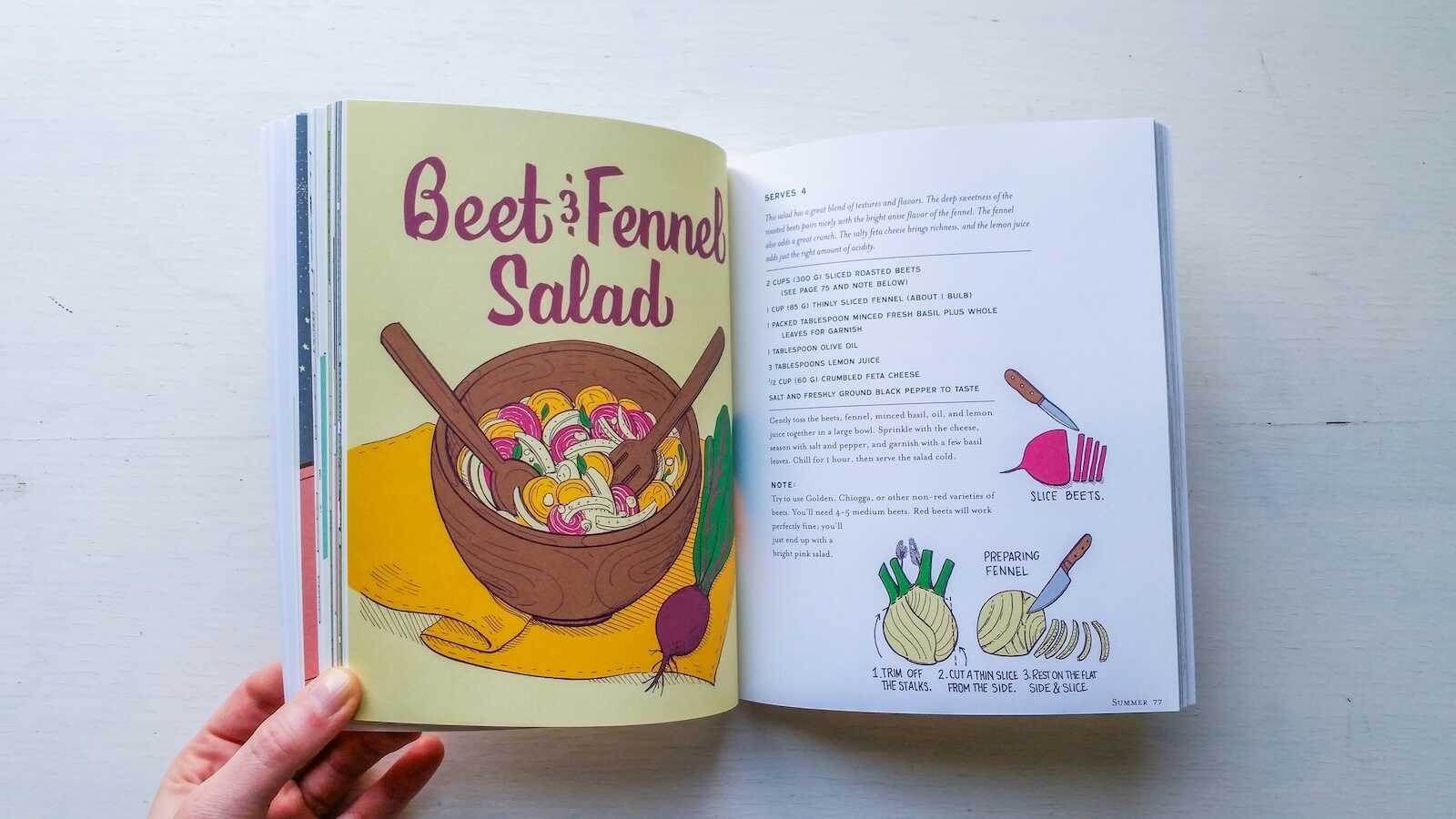
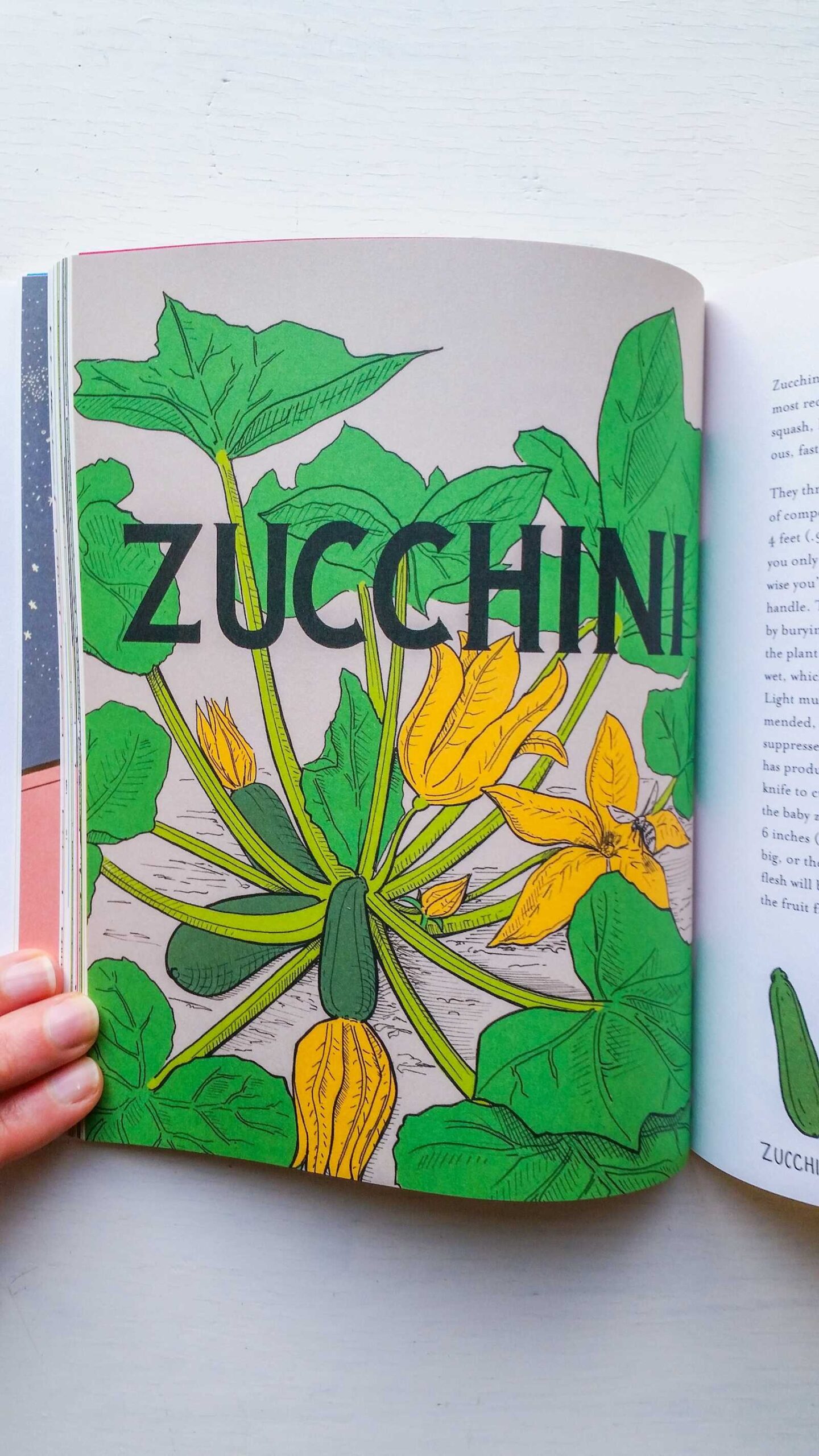
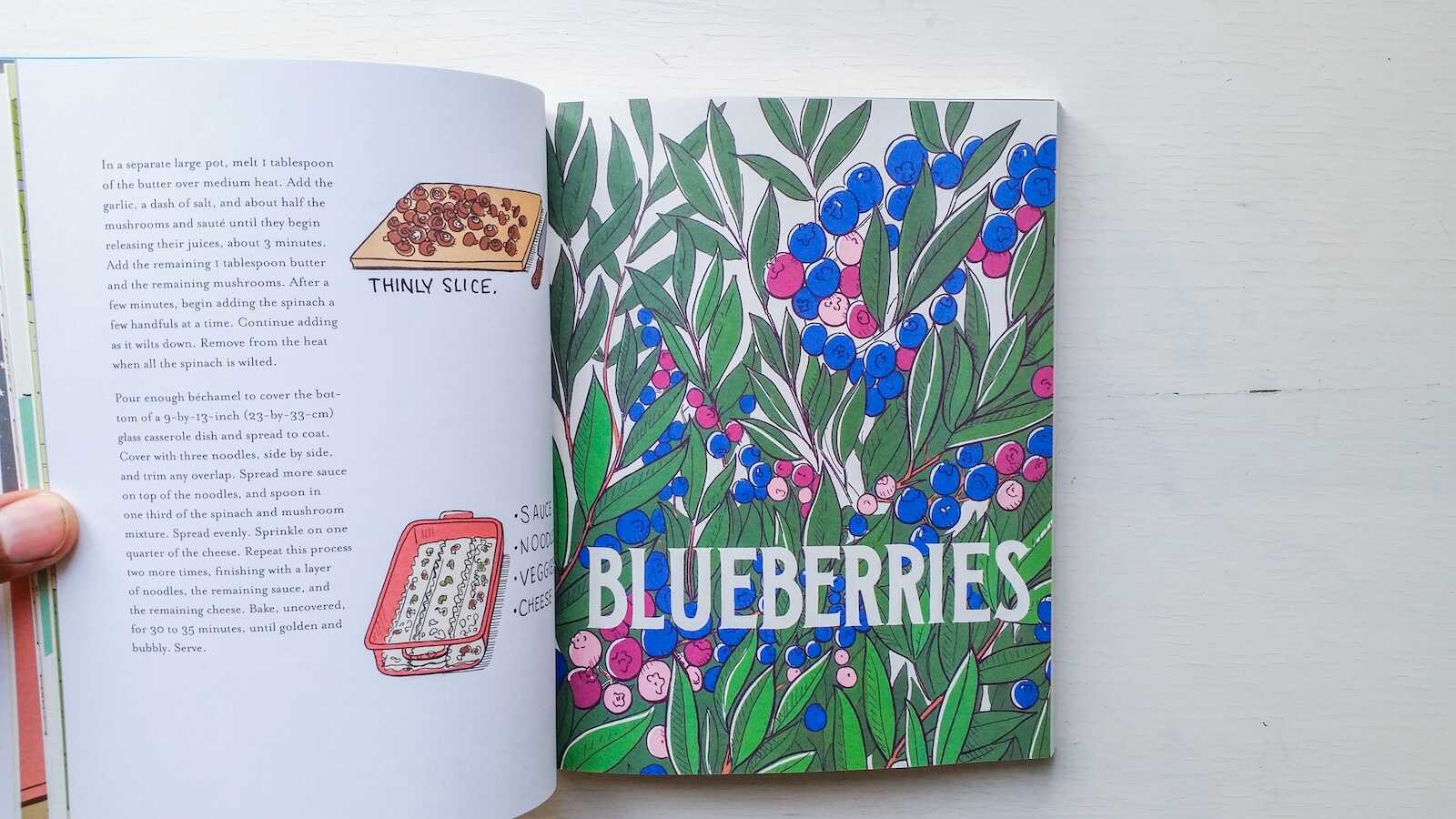
Hardison’s art is the book’s superpower. Instead of paragraphs about “true leaves,” trellising angles, or the proper way to peel a fava, you get clean, hand-lettered diagrams and sequential illustrations that show exactly what to look for. Her visual style—refined on the Illustrated Bites blog—feels like a friendly mentor looking over your shoulder, not a lecture. For visual learners and kids helping in the kitchen garden, this is gold.
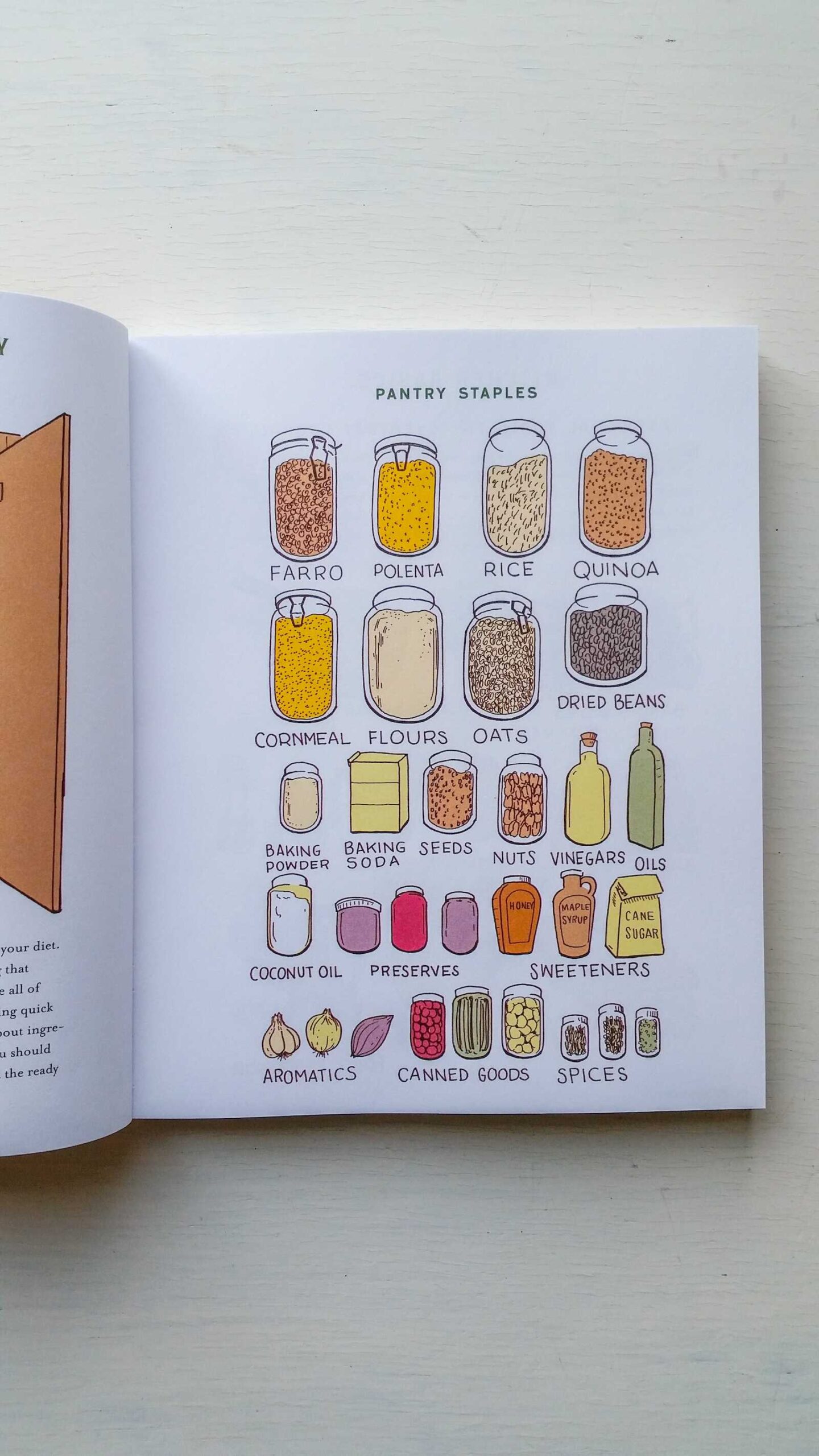
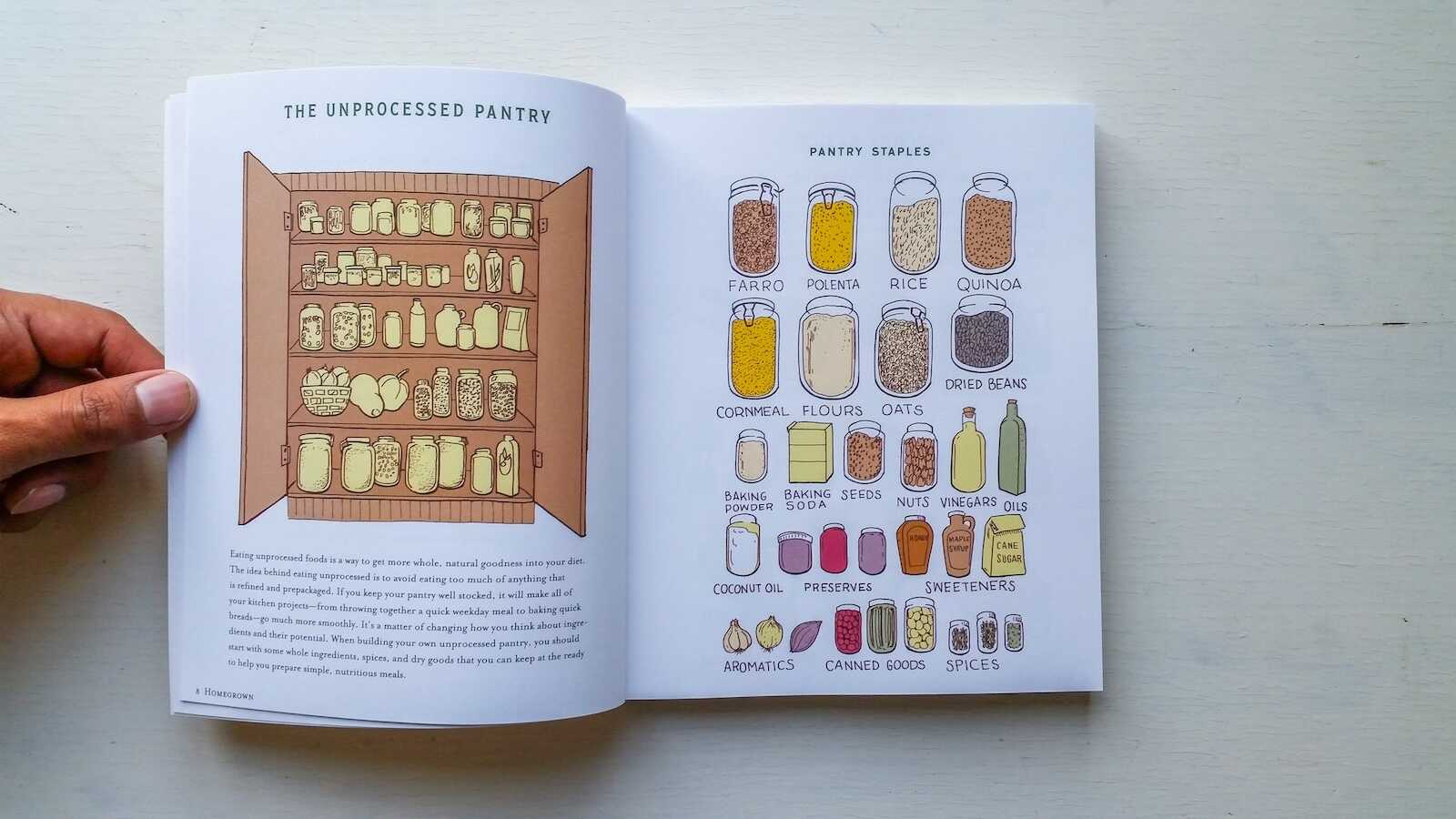
Design-wise, spreads are carefully staged: planting notes sit beside harvest cues; a recipe shares a spread with a quick drawing of knife technique or herb prep; and pantry staples are rendered with just enough detail to be informative without clutter. The result is confidence at a glance—you’ll dog-ear pages the way you bookmark YouTube timelines.
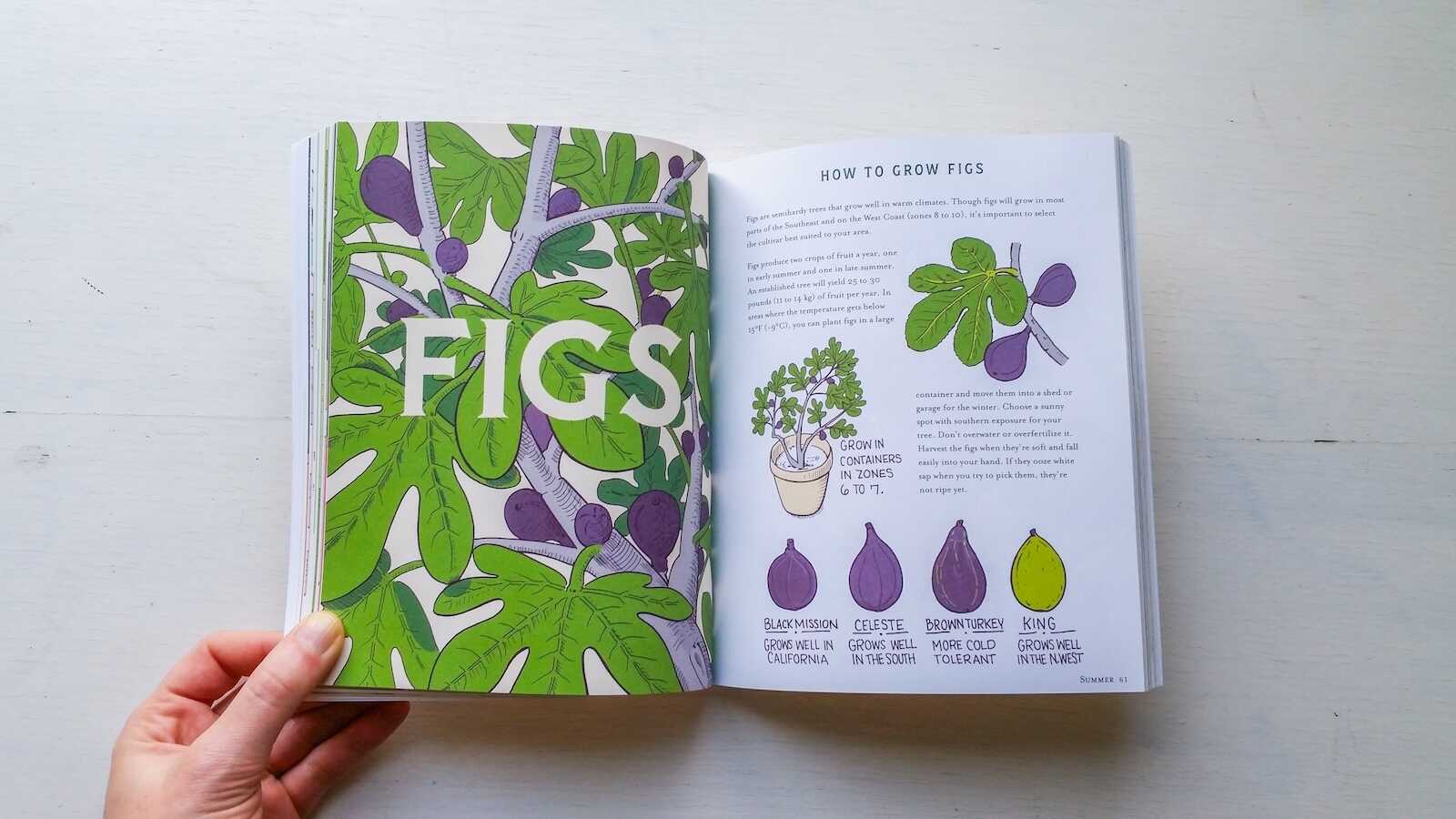
Gardening Guidance: What it Covers (and what it doesn’t)
- Depth & accuracy: The primers hit the “80/20” essentials—sun, spacing, watering, and timing—emphasizing easy-to-grow varieties so you rack up early wins. You won’t get exhaustive varietal taxonomy or soil-science rabbit holes, and that’s purposeful. It’s a first-mile guide built to get you growing today.
- Small spaces welcome: The text frequently acknowledges container gardening and bite-size plots. Even a balcony can produce a steady herb supply and a few salad stars.
- From harvest to plate: Each crop chapter flows naturally into the kitchen, reinforcing cause-and-effect learning—e.g., why you pick at a certain size and how that affects texture or cook time.
If you’re already an experienced gardener, you might wish for denser tables (days to maturity by cultivar, disease-resistance matrices, succession schedules). But for the book’s intended reader, the conciseness removes complications.

The Recipes: Seasonal, Bright, and Doable
The recipes skew toward fresh, clean flavors and short ingredient lists, emphasizing what your garden already gives you. Think chilled soups, herb-forward spreads, quick toasts, simple salads, and pantry-friendly pickles.
- Fava Bean Crostini doubles as a technique lesson: you’ll learn to peel favas (a task that intimidates beginners) and then transform them into something company-worthy with lemon, olive oil, and herbs.
- Tomato & Watermelon Gazpacho showcases peak summer produce in a blender-easy format that’s weeknight-friendly but dinner-party pretty.
- Parsnip Hummus is a clever fall-winter move—root-veggie sweetness meets the comfort of a dip, helping you transition from salad season to cozy appetizers.
These are the kinds of dishes that empower rather than overwhelm. If your garden yields only a handful of tomatoes, you can still make something special. And if you’ve got kids, these are solid “helper” recipes—lots of rinsing, snapping, and stirring, little high-heat risk.
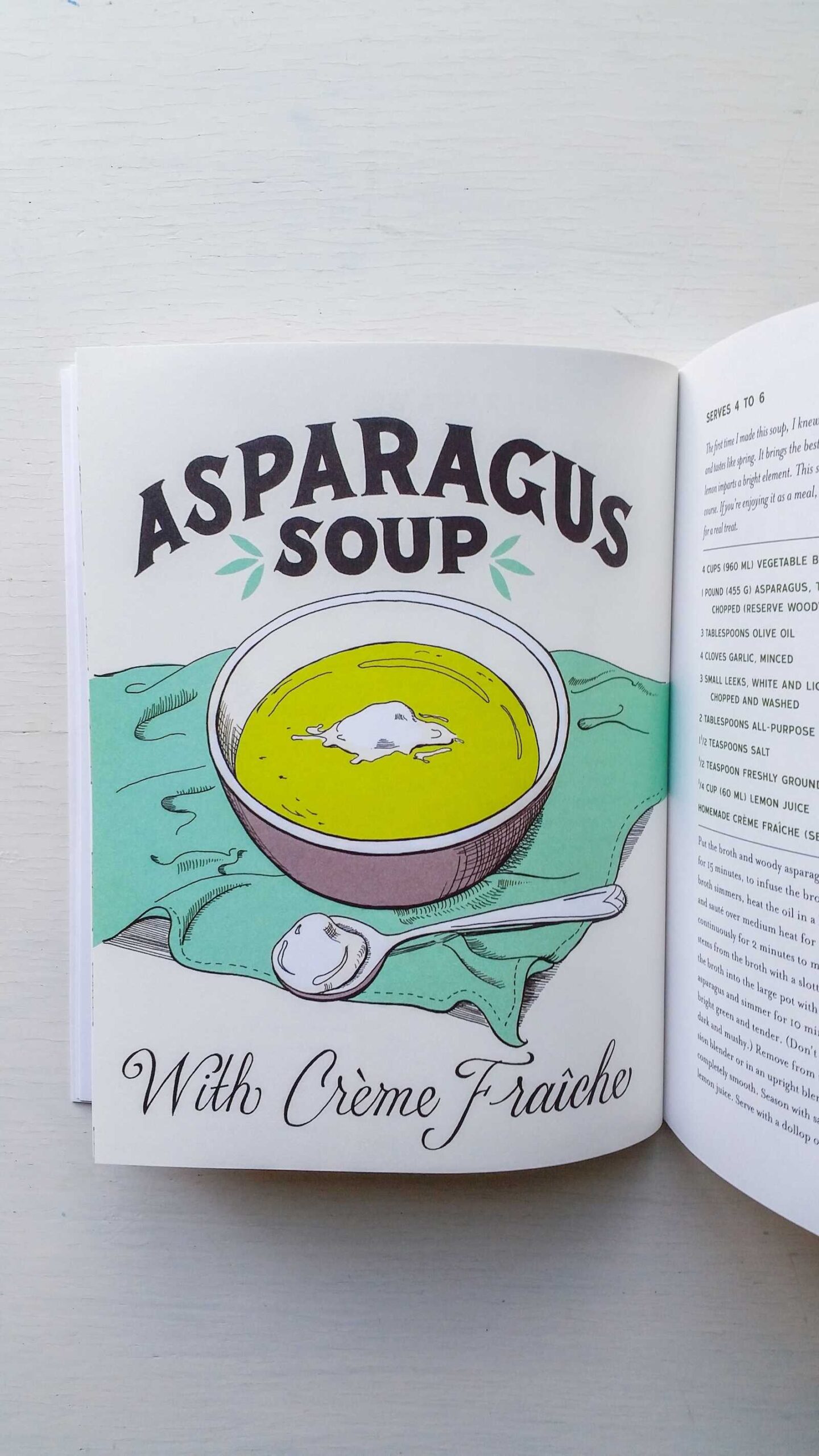
Who will love Homegrown?
- Beginner gardeners who want actionable wins this season (not after three semesters of soil science).
- Busy home cooks who appreciate recipes that let produce shine without three hours of prep.
- Visual learners who grasp best through diagrams and step-by-step drawings.
- Parents & educators looking for approachable garden-to-table projects that teach where food comes from.
- Apartment dwellers curious about container gardening and herbs.
How to Get the Most from the Book
Pick Three Crops and Commit
Choose one quick win (radishes or herbs), one staple (lettuce, cherry tomatoes), and one “stretch” crop (favas or kale). Use the book’s primers to set planting dates and spacing.
Sync Your Kitchen Calendar to your Garden
Let the seasonal chapters guide your weekly menu; plan a recipe from your current harvest and one from the upcoming crop to build momentum.
Use the Illustrations as Teaching Tools
f you garden with kids or students, assign a drawing—“sketch the difference between seedlings and true leaves”—before planting to build observation skills.
Start a “Use-it-All” Habit
When a crop peaks, jump to the preservation tips (quick pickles, simple canning) to avoid waste; the pantry section’s spirit is to keep things unprocessed and flexible.
Build a Gardener’s Pantry
Stock the basics the book leans on—good olive oil, vinegars, citrus, grains, and legumes—so harvest nights don’t require a store run.
Final Verdict
If you’ve ever wished a knowledgeable friend would walk you from seed packet to dinner plate—without overwhelming you—Homegrown is that friend in book form. It’s warm, confidence-building, and visually intuitive, with recipes that make sense for real people growing real gardens in the real world.
- Buy it if: you’re starting a small garden (or even just windowsill herbs), you want recipes that respect seasonal produce, or you’re teaching kids the garden-to-table connection.
- Borrow or supplement if: you’re already a seasoned gardener needing granular zone charts, or a culinary pro seeking advanced technique deep-dives.
Either way, Homegrown earns a place within reach of both your seed box and your spice rack—a rare, charming bridge between how food grows and how we gather to eat it. And nearly a decade after publication, its approachable art-first teaching still feels fresh.
Quick FAQs
Is it beginner-friendly?
Yes. Guidance centers on easy-to-grow crops and clear illustrations, with approachable recipes that don’t require specialty gear.
Will it help if I only have a balcony or patio?
Yes—there’s an emphasis on small-space options and herbs so you can start where you are.
Are the recipes complicated?
No. Dishes like Fava Bean Crostini and Tomato-Watermelon Gazpacho are simple, seasonal, and technique-teaching without being fussy.
Where to Buy Homegrown
- Bookshop.org – support local indie bookstores
- Barnes & Noble – paperback & Nook ebook
- Amazon – paperback & Kindle edition
- Apple Books – ebook
- ABRAMS (Publisher) Store – direct from the publisher
- Your Local Library – check Libby/OverDrive for digital copies
Tip: Search by ISBN 978-1617691492 for the exact edition.