
Beef Tallow Skincare: What It Is, Benefits, and the Best Products to Buy
Beef tallow skincare has gone from a farmhouse curiosity to a bestselling category, and the jar you are eyeing deserves a closer look before it lands in your cart. This guide explains what tallow is, what it can and cannot do for your skin, which brands are worth trying at every price, and how to build a simple routine around it.
What Is Beef Tallow?
Beef tallow is rendered beef fat. Makers slowly heat the fat, often suet from around the kidneys, to separate the pure fat from bits of tissue, then strain it. The result is a creamy, pale substance that turns solid at room temperature, as dermatologist Dr. Robyn Gymrek explains in this overview.
People have used tallow for centuries in cooking, soap, and candles. Skincare brands now blend it with olive oil, jojoba oil, beeswax, raw honey, or essential oils to make balms, whipped creams, and solid sticks. A few brands keep it simple, like Reroot Organics, whose Naked Tallow Balm lists tallow as its only ingredient.
The trend took off on social media, where tallow is pitched as a “clean,” old-school alternative to long ingredient lists. Interest is real, so the smart move is to understand both the appeal and the limits before you try it.
How Beef Tallow Can Benefit Your Skin
Tallow’s main job is simple: it is a rich emollient that softens dry skin and helps seal in moisture. That is the benefit with the most support, and it is why it works best on dry, rough, or weathered skin.
What fans love about it
- Deep moisture. Tallow is high in triglycerides and fatty acids, which act as emollients and help skin hold onto water. Dermatologist Dr. Hadley King confirms this emollient effect, though she does not recommend it for skin care overall.
- A thick protective layer. Like other heavy balms, it can reduce water loss from the skin, which is why people use it on cracked heels, chapped hands, and winter cheeks.
- A short ingredient list. Many tallow balms contain only two to five ingredients, which appeals to people who want to know exactly what is on their face.
- Trace vitamins. Tallow contains small amounts of fat-soluble vitamins like A, D, E, and K. Brands highlight these often, but the Cleveland Clinic notes the amounts are likely too small to act like retinol or a targeted treatment.
- Multi-use convenience. One jar can handle lips, cuticles, elbows, and hands, which keeps routines simple and travel bags light.
What dermatologists want you to know
The research on tallow for human skin is thin. The authors of a review discussed in National Geographic’s coverage of the trend pointed to significant research gaps, and tallow is not regulated as a skincare product by the FDA.
The biggest concern is pore clogging. Several dermatologists, including those quoted by NBC Select and NPR, warn that heavy animal fat can worsen breakouts on acne-prone skin, despite viral claims that it clears them.
Other cautions worth knowing:
- Small-batch products may skip microbial and stability testing, so quality varies, as Scripps Health explains.
- Improperly rendered or stored tallow can spoil or carry bacteria, which matters most on broken or sensitive skin.
- Some people find the scent noticeable, and it is not vegan or plant-based.
- Dr. Heather Woolery-Lloyd says she would not make it a first choice for eczema or severely dry skin, but sees no problem if someone loves their results.
Bottom line: tallow is a decent, old-fashioned moisturizer for dry skin, not a miracle. If you have acne, rosacea, eczema, or very sensitive skin, talk to a dermatologist first and patch test before using it on your face.
Top 10 Beef Tallow Skincare Products, From Budget to Splurge
The best beef tallow skincare ranges from about $10 to about $50 a jar, and price does not always track quality. These ten picks are ordered from most budget-friendly to most premium. Prices are approximate, based on listings seen while researching this post, and they change often, so check the retailer before you buy.
A quick honesty note: true luxury pricing is rare in tallow. Even the splurge picks top out in the $40 to $50 range, so the real difference between tiers is sourcing, ingredient quality, and brand transparency.
Budget-friendly picks (under about $20)
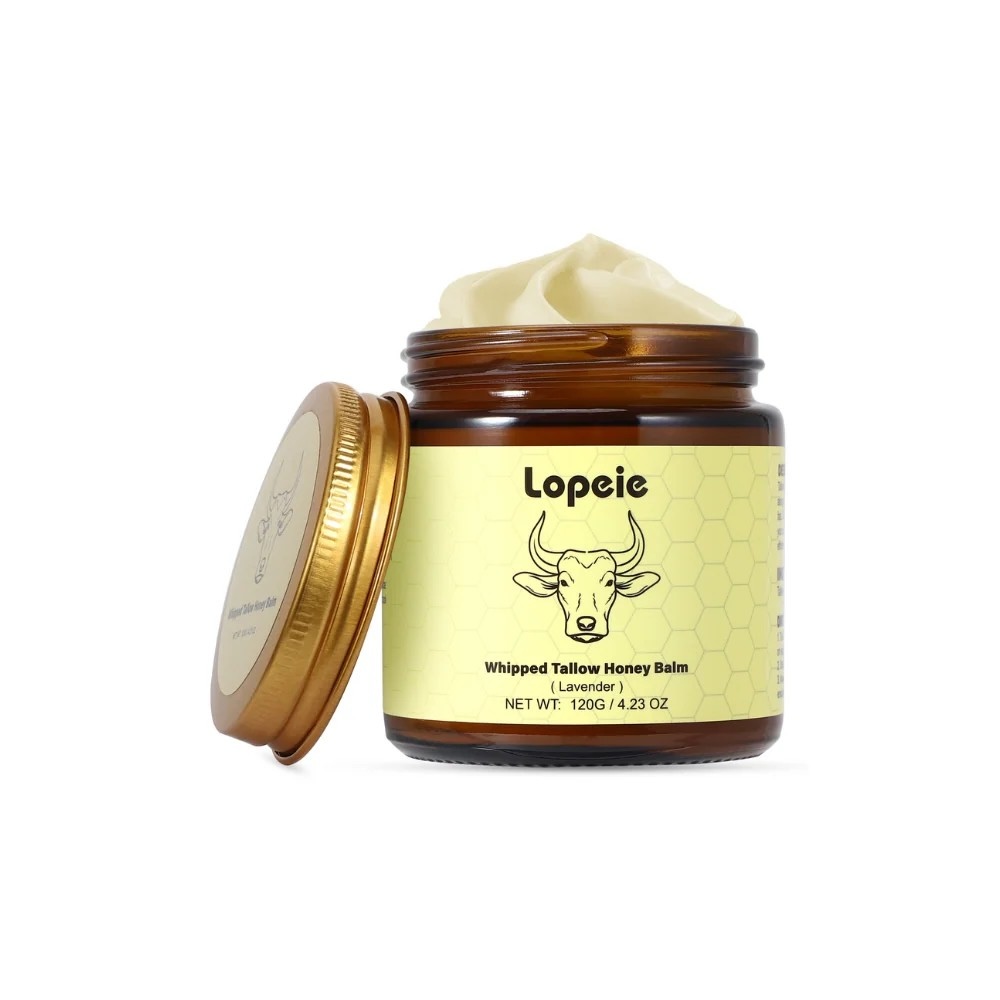
1. Lopeie Beef Tallow and Honey Balm
Price: about $10 for 4.23 oz. Where to buy: Walmart.com.
This is the lowest-cost way to test whether your skin likes tallow at all. It pairs grass-fed tallow with honey in a large jar. It is a marketplace brand with little published sourcing detail, so read the full ingredient list and start with a small patch.
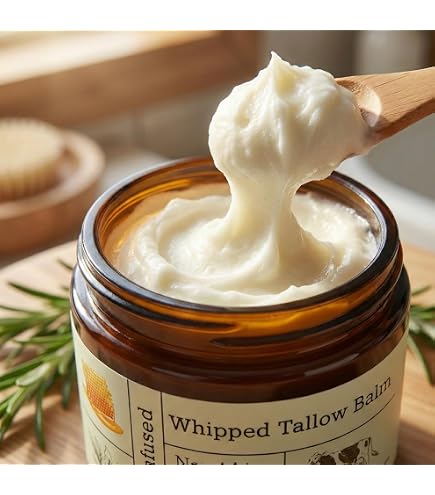
2. LaviMD Whipped Beef Tallow Balm with Manuka Honey
Price: roughly $17 for 4 oz at last check. Where to buy: Amazon.
LaviMD offers a whipped, spreadable texture made with 100% grass-fed tallow and organic manuka honey. The orange vanilla scent smells nice, but added fragrance can bother sensitive skin, so look for an unscented version if you react easily.
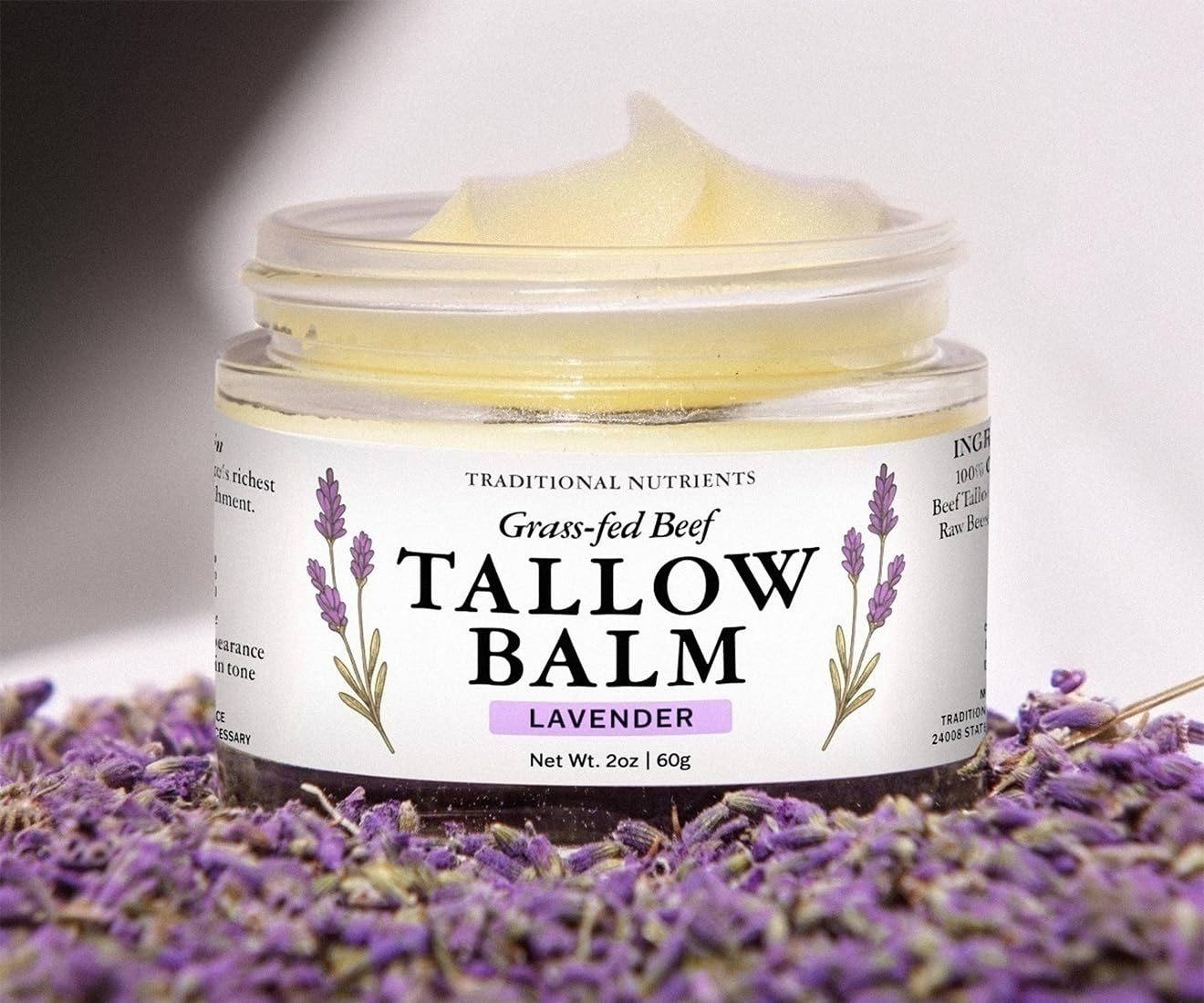
3. Traditional Nutrients Lavender Tallow Balm
Price: about $20 for 2 oz. Where to buy: Amazon.
This balm uses grass-fed suet tallow with honey, beeswax, and lavender oil. It is a good fit for a bedtime body or hand balm. The jar is small, so the price per ounce is higher than the first two picks.
Mid-range picks (about $28 to $35)
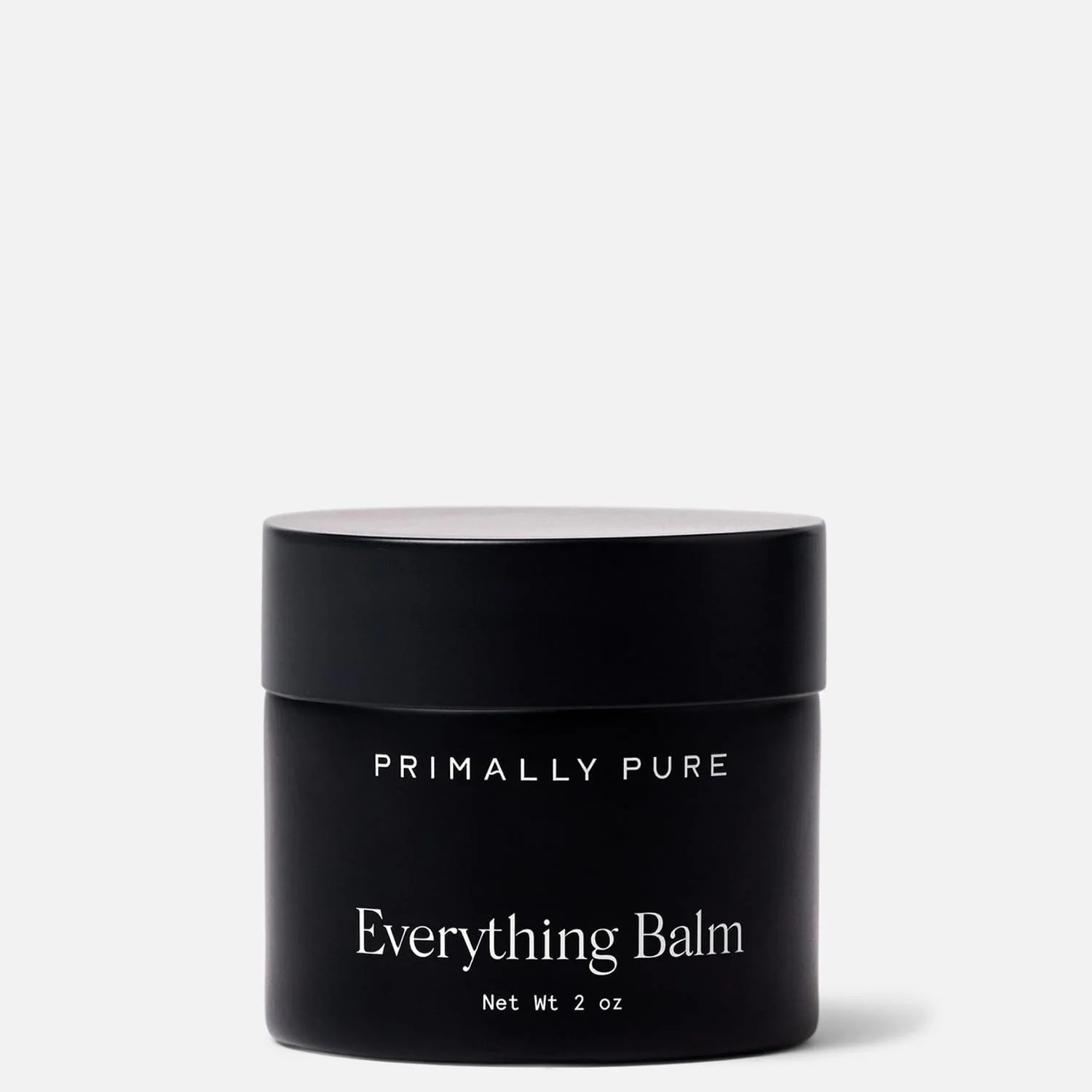
4. Primally Pure Everything Balm
Price: about $28. Where to buy: PrimallyPure.com.
Primally Pure blends grass-fed tallow with emu oil and botanicals for dry, flaky, or irritated spots. The Good Trade reports that founder Bre Camp sources suet from pasture-raised, grass-finished cattle from Northern California ranchers. The botanical oils, including tea tree, can bother very sensitive skin.
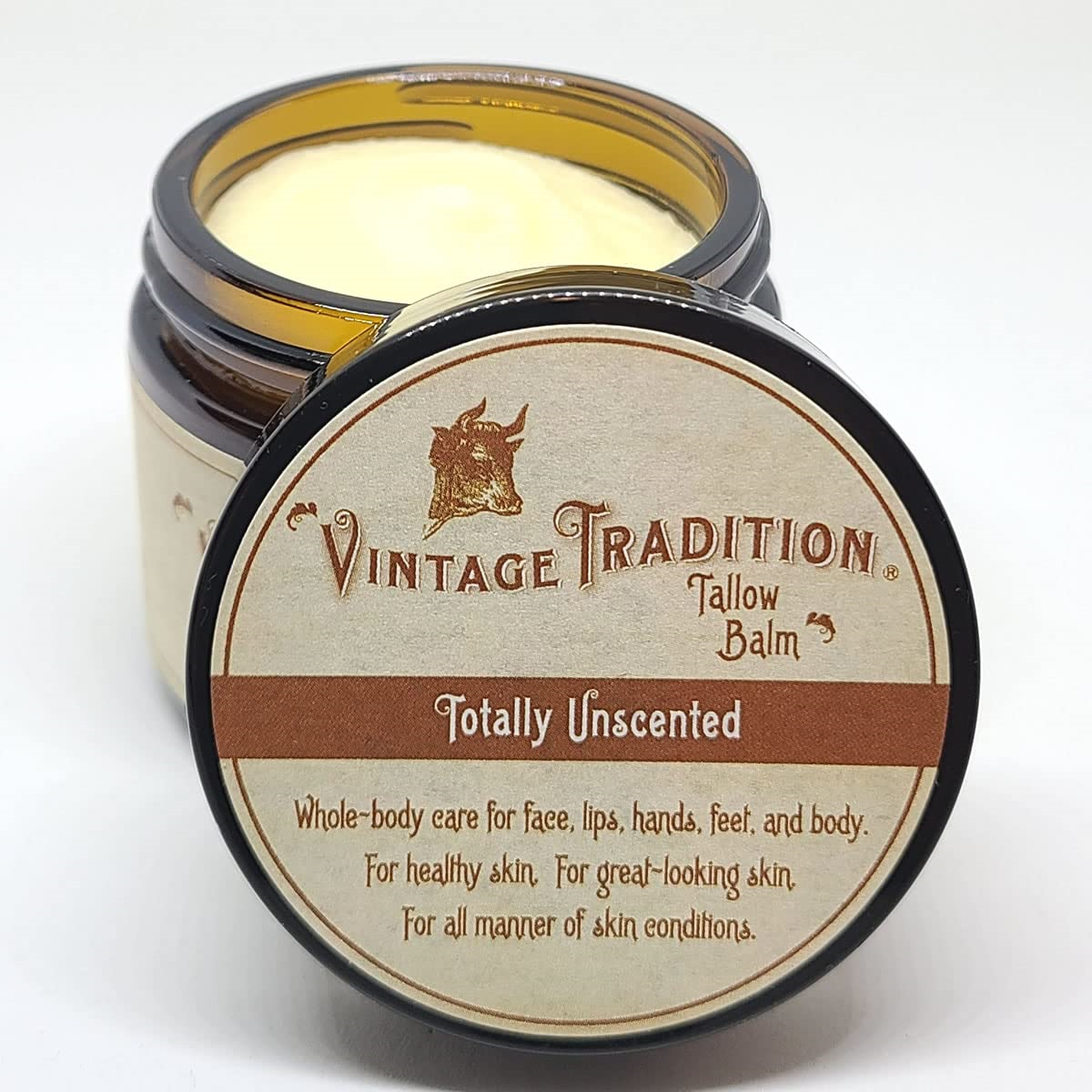
5. Vintage Tradition Beef Tallow All Purpose Balm
Price: about $29 for the lavender and unscented 2 oz jars, and up to roughly $39 for specialty scents. Where to buy: the brand’s own site or Amazon.
The unscented version has just two ingredients, olive oil and tallow, which makes it a smart pick for sensitive skin. One brand listing shows a 4.4-star average across more than 2,400 reviews. Watch out for third-party sellers charging $52 to $78 for the same 2 oz jar.
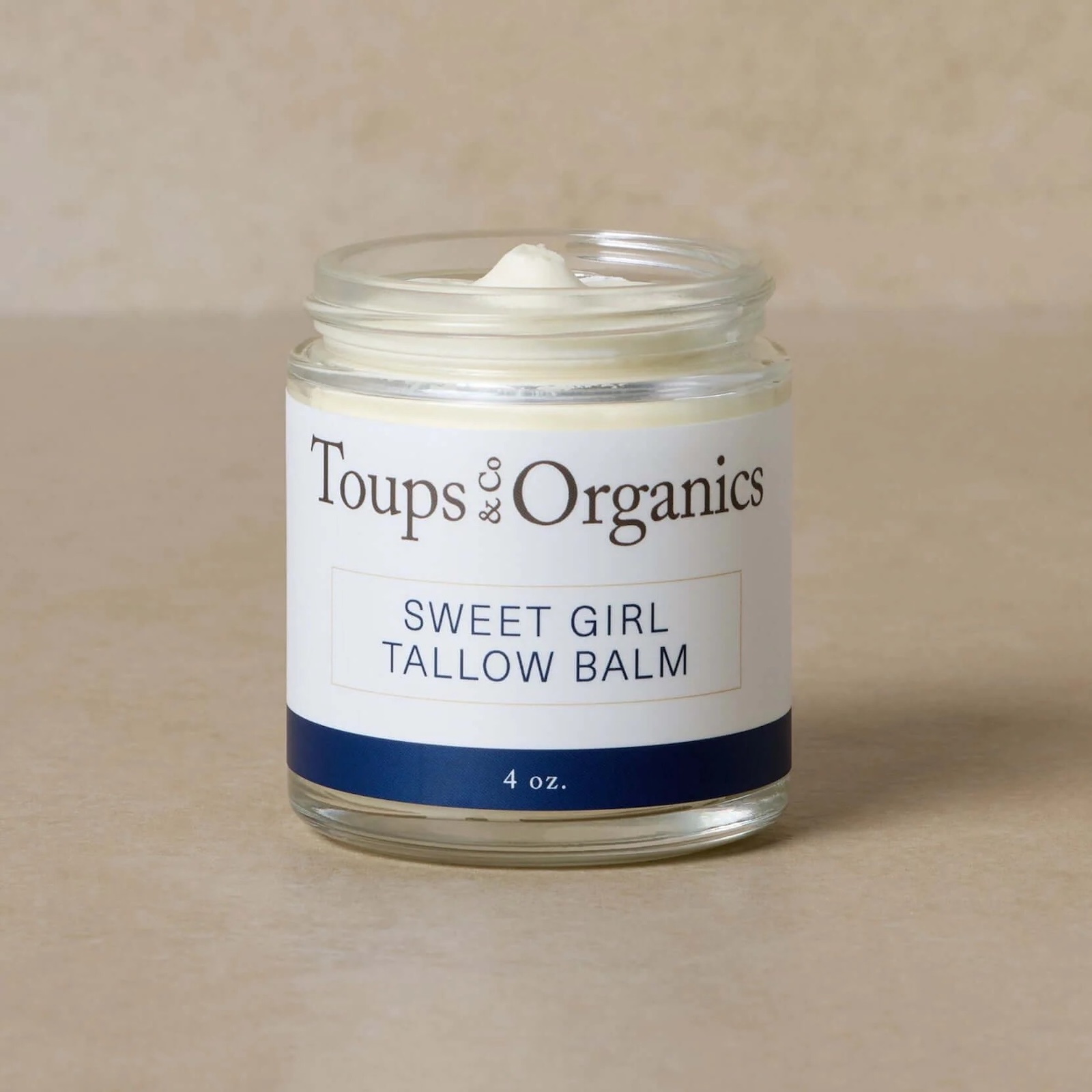
6. Toups and Co Organics Sweet Girl Tallow Balm
Price: about $32 for 2 oz. Where to buy: ToupsAndCo.com.
This balm combines 100% grass-fed tallow, organic olive oil, and a blend of essential oils including chamomile, ylang ylang, and frankincense. The brand also sells an unscented balm, plus a frankincense face balm, all in recyclable glass jars. Choose unscented if you are fragrance-sensitive.
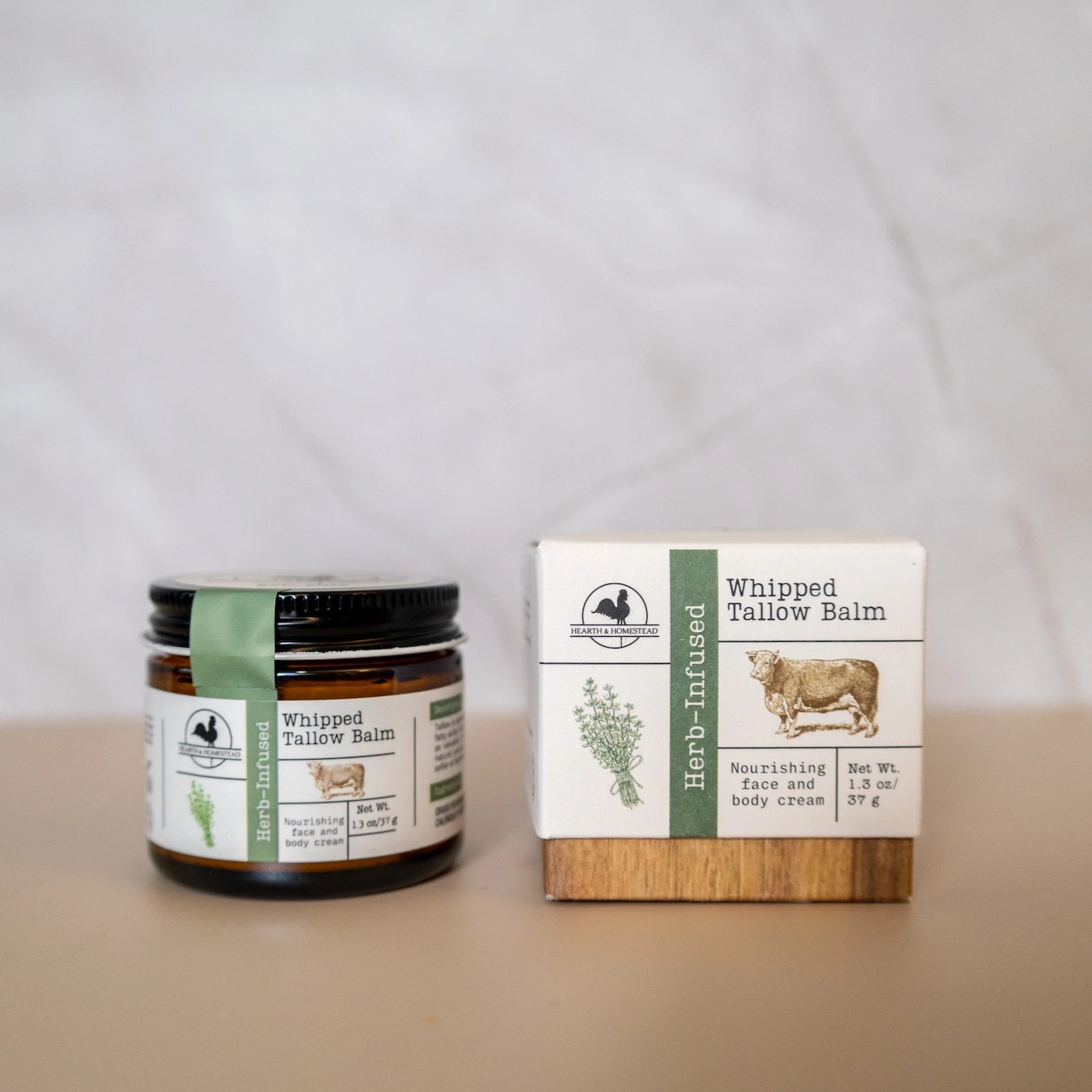
7. Hearth and Homestead Whipped Tallow Balm
Price: about $30 to $35 for 1.3 oz. Where to buy: Vitacost, Grove Collaborative, or the brand’s site.
This Virginia family business makes a light, whipped balm from grass-fed and grass-finished tallow with herb-infused olive oil. The unscented version contains only those two ingredients. Shoppers love the texture but often wish the jar were larger for the price.
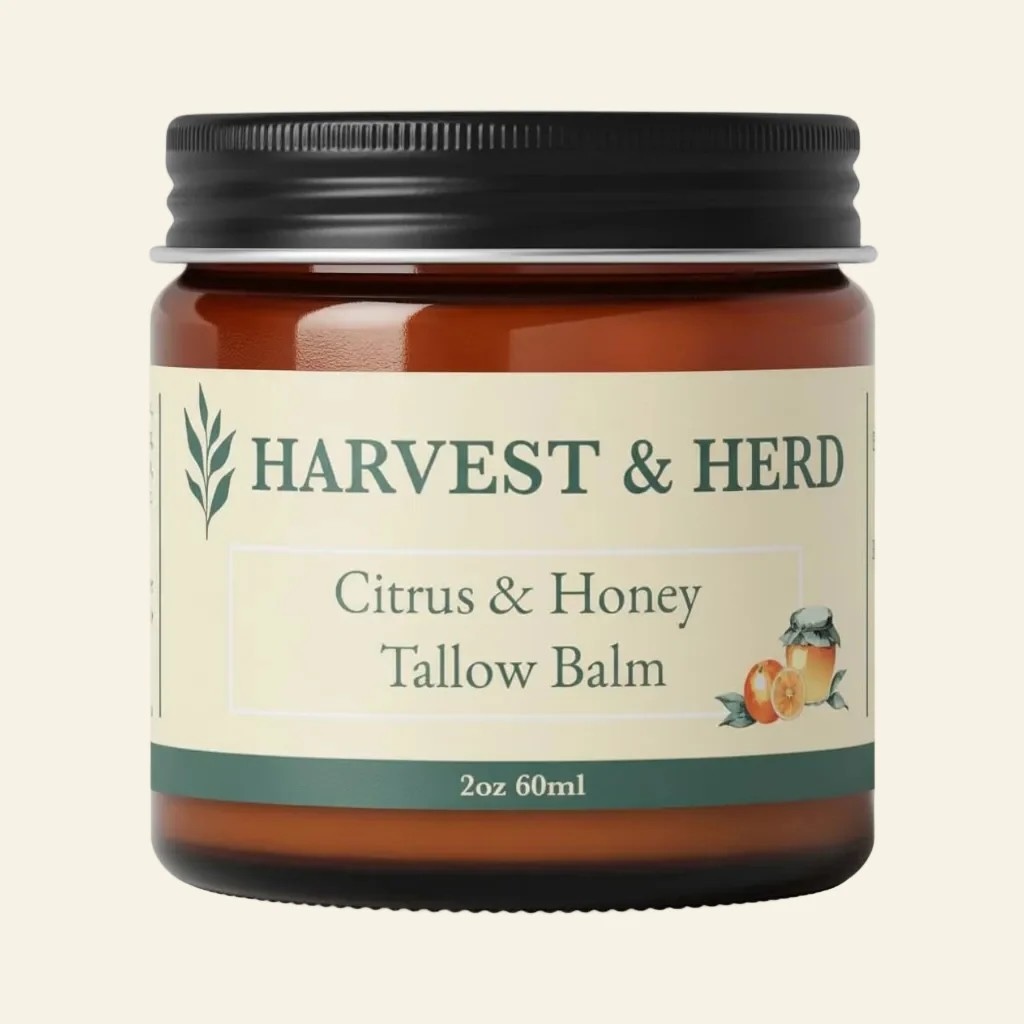
8. Harvest and Herd Citrus and Honey Tallow Balm
Price: $34.99. Where to buy: My American Goods, Amazon, or the brand’s site.
A thick, buttery balm with raw honey plus neroli and frankincense oils. One reviewer called it her pick for breakouts, but dermatologists generally warn that tallow can clog pores, so patch test before using it on your face.
Premium and splurge picks (about $38 to $50)
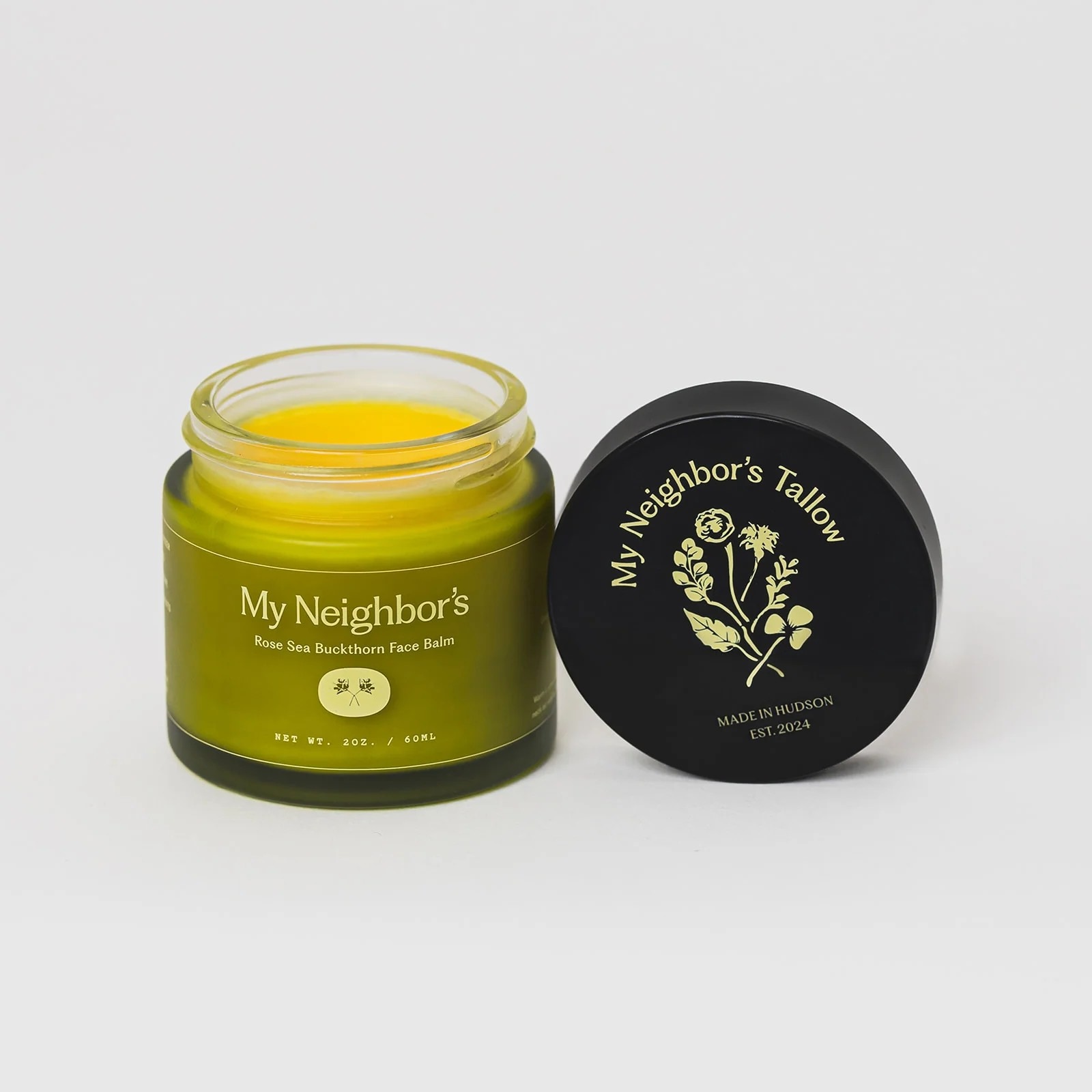
9. My Neighbor’s Tallow Rose and Sea Buckthorn Face Balm
Price: about $38. Where to buy: Ulta Beauty.
This New York brand uses grass-fed and grass-finished tallow from the Hudson Valley, with organic jojoba oil and vitamin E in its simpler balms. The face balms are polished and gift-ready. Its manuka honey hand balms cost about $48.
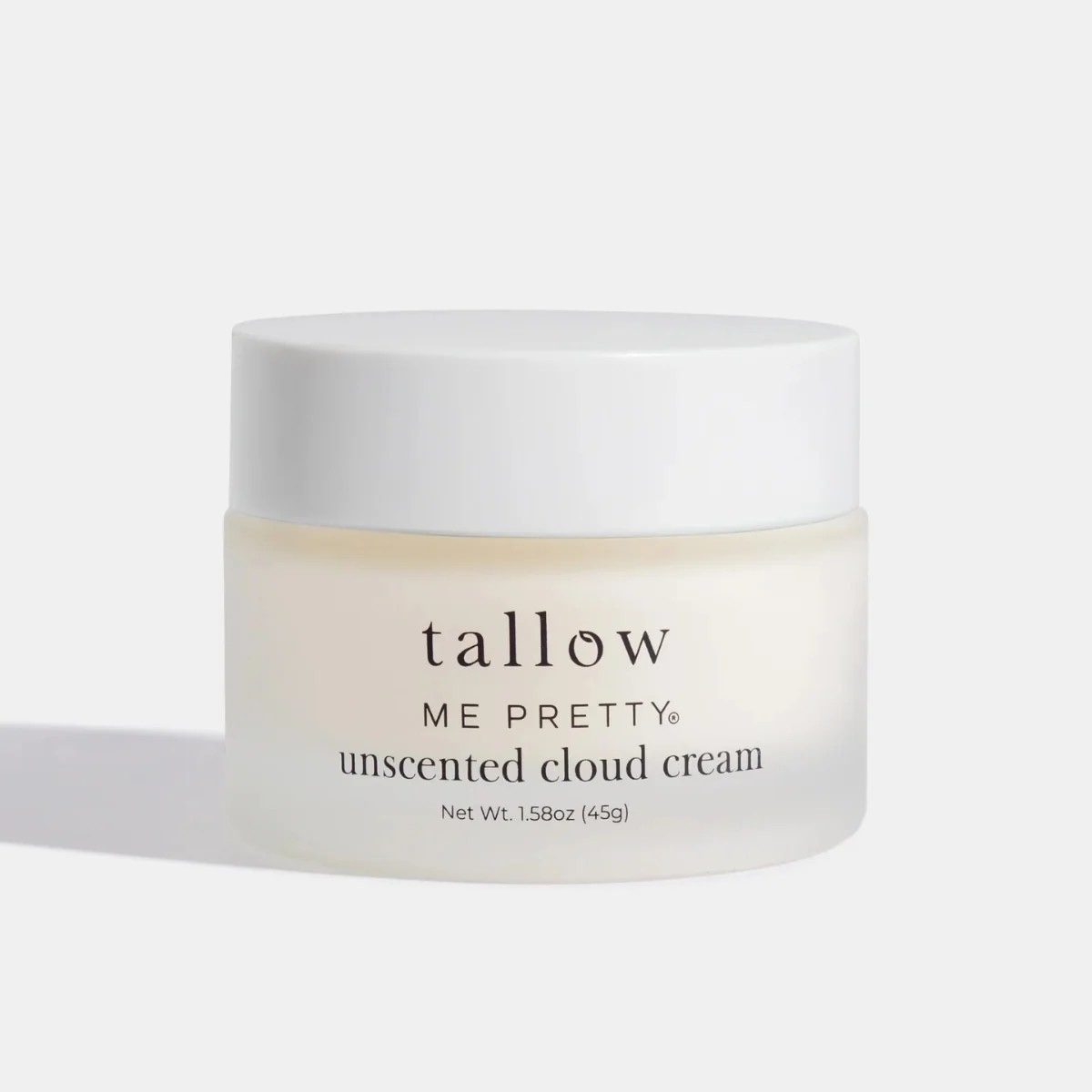
10. Tallow Me Pretty Unscented Cloud Cream
Price: about $42. Where to buy: Ulta Beauty.
This is the splurge for a lighter, creamier face texture. It combines grass-fed and grass-finished tallow with organic jojoba oil, lavender, and marshmallow root extract. At least one reviewer found the sibling Ageless Cloud Cream too greasy, so richer is not for everyone. To try the brand for less, the Tallow and Honey Balm costs about $32 at Ulta, with Target and Wegmans also carrying it.
Also worth a look: Evil Goods Whipped Grass-Fed Beef Tallow Balm, a 4 oz jar listed at $49.99 at Ulta, though it was on sale for $27 when checked. And for a pure single-ingredient option, Reroot Organics Naked Tallow Balm contains only grass-fed tallow.
Red Flags and Beef Tallow Products to Avoid
The biggest red flag in tallow skincare is a product that promises to cure a medical condition. Because tallow products are not held to the testing standards of drugstore moisturizers, you have to do some of the quality control yourself. Watch for these warning signs.
- Miracle claims. Promises to cure eczema, psoriasis, acne, or rosacea, or to replace retinol with “bioavailable vitamins,” are marketing, not proof. The Cleveland Clinic points out that unregulated tallow likely contains too little vitamin A to act like a retinoid.
- No ingredient list, or a vague one. “Proprietary blend” or a missing label means you cannot check what is in the jar or screen for allergens.
- Water-based formulas with no preservative. Anything containing water, aloe juice, or hydrosols needs a preservative. Without one, bacteria and mold can grow. Pure tallow balms with no water are far more stable.
- No batch date, expiration date, or tamper seal. Small makers can be wonderful, but Scripps Health warns that some skip microbial and stability testing. A maker who dates and lots each batch is showing care.
- Vague sourcing. “Grass-fed” alone says little. Better brands name their farms or regions and say “grass-fed and grass-finished.”
- Heavy fragrance. Synthetic fragrance, “parfum,” and strong essential oil blends are common triggers for irritation, especially on the face.
- Reseller price gouging. The same 2 oz balm that costs about $29 direct has shown up at $52 to $78 from third-party sellers. Buy from the brand or an authorized retailer.
- Spoilage signs. A sour, crayon-like, or sharp smell, gray or green spots, or an oily separation means the product has gone bad. Toss it.
Products and habits to skip
- Homemade tallow from raw fat on your face. Dermatologist Dr. Mei-Heng Tan says home-rendered tallow can carry impurities that cause irritation or infection.
- Tallow “sun balms” as your only sun protection. Regular sunscreens are tested for SPF. Dr. Woolery-Lloyd notes some studies suggest tallow may even raise sun sensitivity, so use a tested sunscreen on top.
- Using it near the eyes or on broken skin. Dermatologists advise caution in both areas.
- Heavy layering on oily or acne-prone faces. If you break out easily, keep tallow to your body, hands, and lips.
- Tallow blended with mineral oil, petrolatum, or synthetic fillers. These defeat the purpose of buying a simple, animal-fat-based balm.
How to Read a Beef Tallow Ingredient Label
A quality tallow balm has a short ingredient list with tallow at or near the top. Ingredients are listed from highest amount to lowest, so the first few lines tell you what the jar is mostly made of. Here is how to check one in under a minute.
- Find the tallow. It should be the first ingredient. It may appear as tallow, beef tallow, or a scientific name like Bos taurus, so look at the front-of-jar claims too.
- Count the ingredients. Two to six is typical for a good balm. A long list with tallow buried near the bottom means you are paying for a marketing story.
- Check the sourcing words. “Grass-fed and grass-finished” is stronger than “grass-fed.” Better brands also name the farm or region and describe how they render the fat, such as dry-rendered at low heat.
- Scan for fragrance. Fragrance, parfum, and unnamed “essential oil blends” are the usual irritants. Named oils with a stated dilution, like 1 percent lavender, show transparency.
- Look for batch and date info. A lot number or expiration date tells you someone tracks quality.
Green flags
- Tallow plus simple supporting ingredients, such as olive oil, jojoba oil, beeswax, raw honey, or calendula
- An unscented option for sensitive skin
- Named sourcing and a stated rendering method
- Glass or tin packaging, which protects the balm better than clear plastic
- No water in the formula, or a clearly listed preservative if there is water
Ingredients to avoid or approach carefully
- Fragrance or parfum: a common cause of contact irritation
- Mineral oil, paraffin, or petrolatum filler: cheap fillers in a product sold as “ancestral”
- Coconut oil: often added to tallow balms, but many people find it pore-clogging on the face
- Nut oils like sweet almond oil: a problem if you have a nut allergy
- Citrus and bergamot oils: these can raise sun sensitivity, so avoid them in daytime face products
- Dyes or “flavors”: unnecessary in a moisturizer
Two sample labels, side by side
A strong label reads: grass-fed and grass-finished tallow, organic olive oil. That is simple, easy to patch test, and easy to trust.
A weaker label reads: shea butter, coconut oil, fragrance, tallow. Tallow comes last, so the product is mostly something else, and the fragrance adds irritation risk.
Sample Skincare Routines With Beef Tallow
Tallow works best as the last step of a routine, because it is heavy and seals in whatever you applied before it. Start slowly. Patch test on your inner forearm or along your jawline for 24 to 48 hours, then use it two or three nights a week before going daily. A pea-sized amount warmed between your fingers is plenty for the face.
Routine 1: Dry or mature skin (face)
Morning
- Rinse with lukewarm water or use a gentle, creamy cleanser.
- Apply a hydrating serum with hyaluronic acid or glycerin to damp skin.
- Use a lightweight moisturizer.
- Finish with a broad-spectrum sunscreen.
Evening
- Cleanse gently, using a second cleanse if you wore sunscreen or makeup.
- Pat on a hydrating serum while skin is still damp.
- Press a pea-sized amount of tallow balm over face and neck as your final step.
Why it works: the serum adds water, and the tallow seals it in overnight. Skipping tallow in the morning avoids pilling under sunscreen.
Routine 2: The three-step minimalist
- Cleanse morning and night with a mild, fragrance-free cleanser.
- Apply tallow balm at night only, in a thin layer.
- Use sunscreen every morning.
This is the simplest way to try tallow. It suits people with dry, normal, or low-maintenance skin who dislike long routines.
Routine 3: Winter body, hands, and lips
- Shower with lukewarm water and a gentle body wash.
- Pat skin until it is just damp, not dry.
- Rub tallow balm onto elbows, knees, hands, cuticles, and heels, and swipe a little across lips.
- For very cracked hands or heels, add cotton gloves or socks overnight.
This is where tallow shines for most people, since body skin is less prone to breakouts than facial skin.
Routine 4: Combination or breakout-prone skin
- Keep your usual gentle cleanser and a light, oil-free moisturizer.
- Use tallow only on genuinely dry patches, such as cheeks or around the nose in winter.
- Skip the forehead, chin, and T-zone, where pores clog more easily.
- Stop if you notice new bumps or whiteheads within a couple of weeks.
If you break out easily, consider keeping tallow for the body and checking with a dermatologist before using it on your face.
Complementary Products, and What to Avoid Pairing With Tallow
The best partners for tallow add water and gentle care underneath it, then let the balm seal everything in. There is little formal research on tallow combinations, so treat this as cautious, general guidance rather than strict rules.
Products that pair well
- Gentle, fragrance-free cleansers. Cream or milk cleansers remove balm without stripping your skin.
- Hyaluronic acid, glycerin, or panthenol serums. Apply them to damp skin first. Tallow adds fat, not water, so humectants fill that gap.
- Ceramide moisturizers. These support the skin barrier under a thin layer of tallow, especially in winter.
- Broad-spectrum sunscreen. Use it each morning as a separate step. It also helps offset any sun sensitivity.
- Hydrating peptide serums. They layer easily under a balm and suit mature or dry skin.
- Jojoba oil. It is a lighter plant oil that many tallow brands blend in to make balms spread more easily.
- Gentle exfoliants, once a week. Lactic acid or a mild PHA can help balm absorb more evenly. Use them on a separate night from your tallow, or on a night you skip it.
Products to avoid or separate from tallow
- Retinol, retinoids, and prescription tretinoin. Heavy balms trap products against the skin, which can intensify irritation. Alternate nights, or ask your dermatologist how to combine them.
- Strong acids and acne actives. Salicylic acid, glycolic acid, and benzoyl peroxide followed by a thick balm can sting or flare. If you use them, talk to your dermatologist before adding tallow.
- Other heavy occlusives. Stacking petroleum jelly, shea butter, coconut oil, or rich face oils on top of tallow raises the odds of clogged pores and buildup.
- Fragrance-heavy lotions and essential oil blends. Layering scents multiplies the chance of irritation.
- Harsh foaming cleansers, scrubs, and alcohol toners. They strip your barrier, and a thick balm then covers the problem instead of fixing it.
- Tallow under makeup or sunscreen. It tends to cause pilling and sliding. Save it for night, or use a very thin layer and wait a few minutes.
- Prescription topicals. Ask your prescriber before putting tallow over medicated creams.
If you are ever unsure, simplify. One new product at a time makes it much easier to spot what your skin likes and what it does not.
Beef Tallow Skincare FAQ
Is beef tallow good for your face?
It can soften very dry skin, but dermatologists caution against it for acne-prone, oily, or sensitive faces. Patch test first and start slowly.
Does beef tallow clog pores?
It can. Several dermatologists describe tallow as comedogenic, meaning it may clog pores. If you break out easily, use it on your body instead.
Does tallow skincare smell like beef?
Good quality, well-rendered tallow has only a mild buttery or neutral scent. Some people still dislike it, and scented versions use added oils to cover it.
Can I use tallow every day?
Most people do best starting two or three nights a week, then moving to daily use if their skin stays clear and comfortable.
How long does a tallow balm last?
Follow the maker’s batch or expiration date and store the jar somewhere cool, dry, and out of direct sun. Throw it out if it smells sour or shows mold.
Is tallow vegan or cruelty-free?
No. It is an animal product, so it will not fit a vegan or plant-based lifestyle.
What is the best tallow for sensitive skin?
Look for an unscented balm with two to three ingredients, such as tallow and olive oil, and patch test before applying it widely.
The Bottom Line
Beef tallow skincare is a rich, simple moisturizer that suits dry skin and body care well, and it is not a cure-all. Start with a small, reputable, unscented jar, read the label, and test slowly. If you have a skin condition, check with a dermatologist before you commit.