
Top Meal Kits and Meal Delivery Services for Families: Our Top Picks to Try!
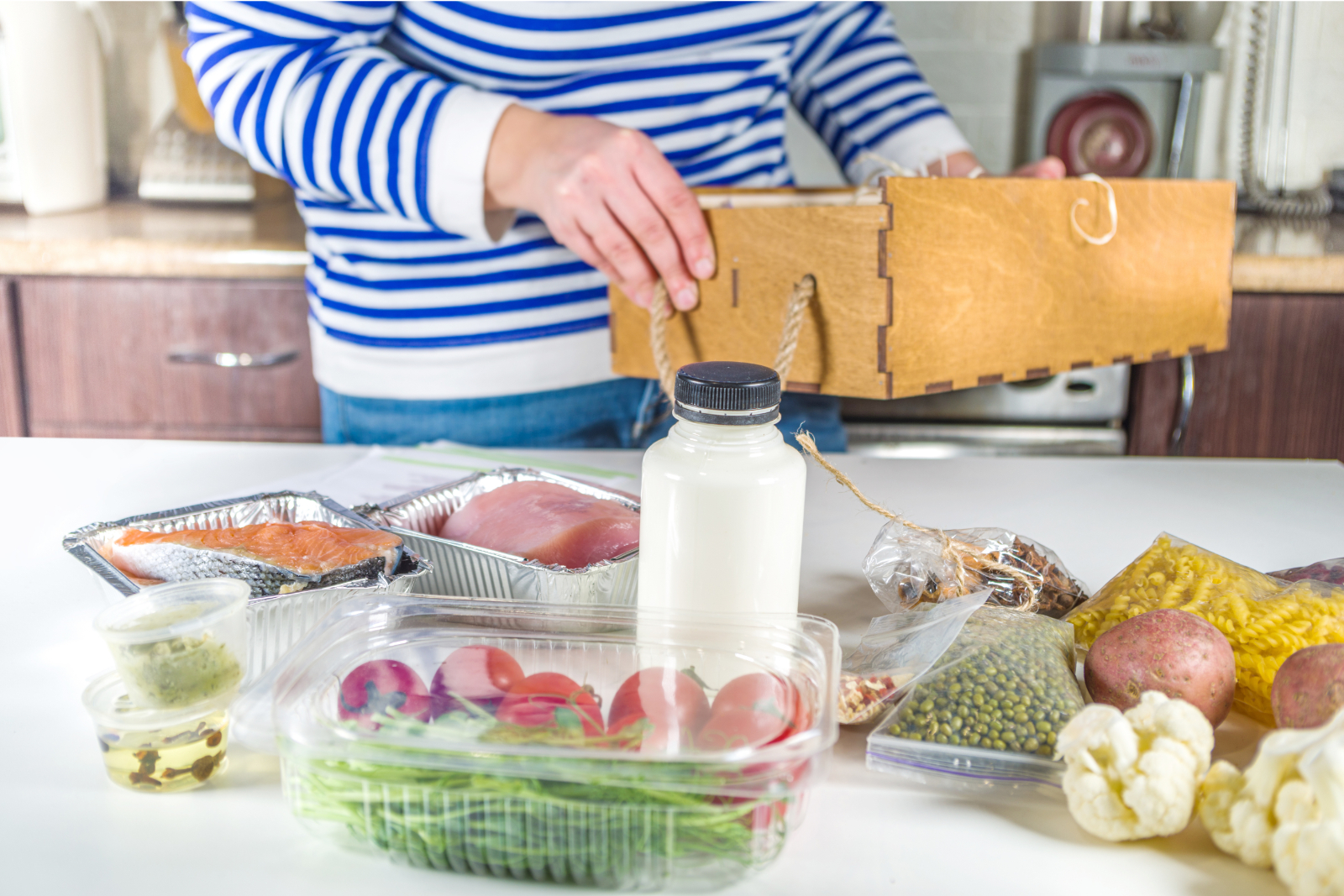
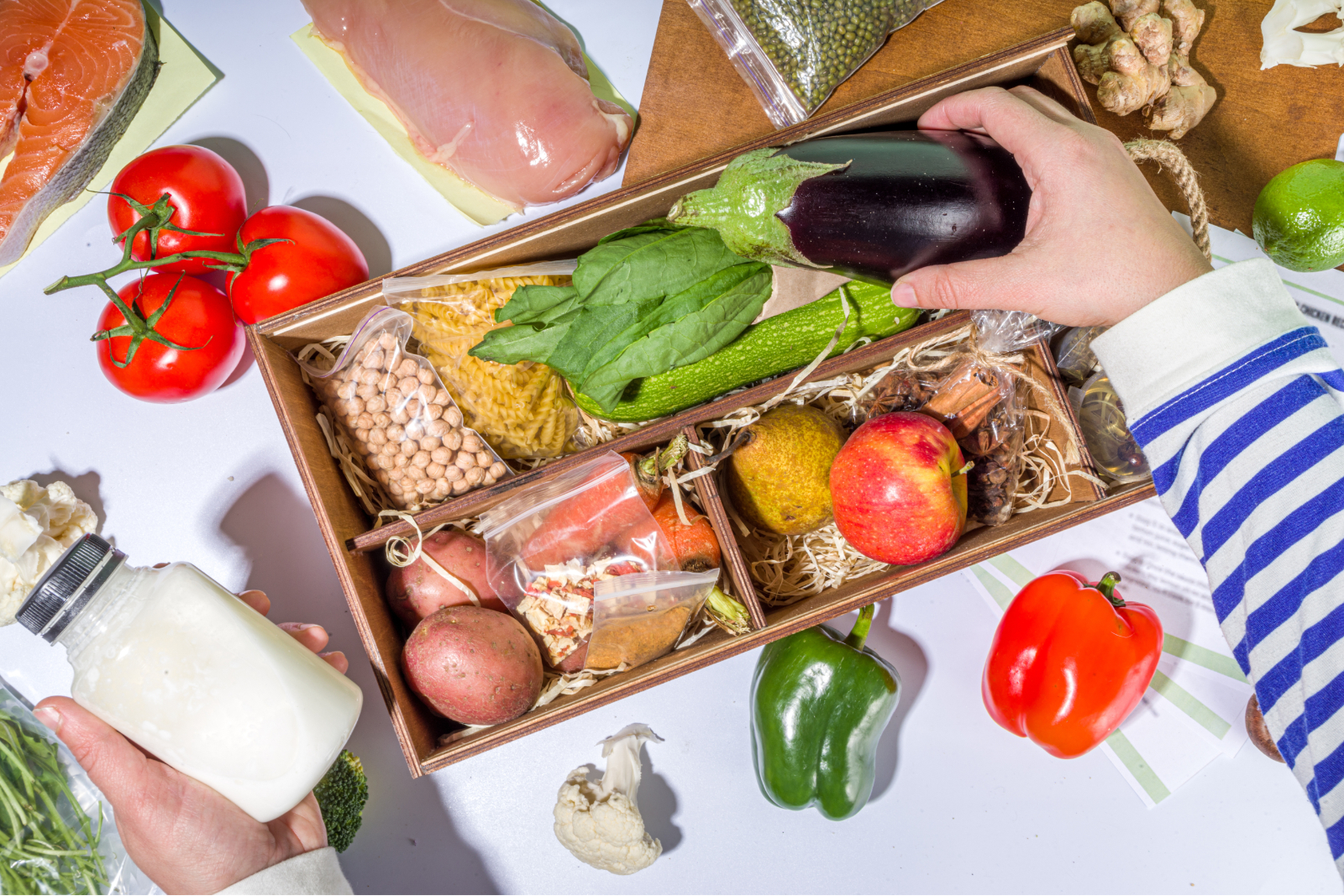
It’s 5:30, someone needs help with homework, someone else is “starving,” and nobody has thought about dinner. Meal kits and meal delivery services for families can take that problem off your plate by sending fully cooked meals, easy-assembly groceries, or recipes with ingredients straight to your door.
They aren’t magic, and they aren’t always cheap. This guide explains the three main types, why they work for households with kids, the benefits and drawbacks, expected costs, and 14 national brands that deliver across much of the continental United States. Coverage varies by ZIP code, so enter yours before you order.
Meal Kits vs. Meal Delivery Services: What’s the Difference?
The main difference is how much work is left for you. A meal kit sends ingredients and a recipe for you to cook. “Meal delivery service” is a broader term that often means food arriving partly or fully prepared. Many companies now offer more than one style.
Ready-to-Eat (Heat-and-Eat)
These meals arrive fully cooked. You warm them, usually in a few minutes, and serve. Some kids’ foods, like smoothies or finger foods, need even less work.
- Best for: Packed schedules, new parents, quick lunches and nights when family members eat at different times.
- Trade-offs: Higher cost per meal, less control over ingredients and seasoning, and often single portions.
- Brands to consider: Factor and CookUnity for adults, Little Spoon and Nurture Life for children.
Semi-Prepared & Grocery-Style
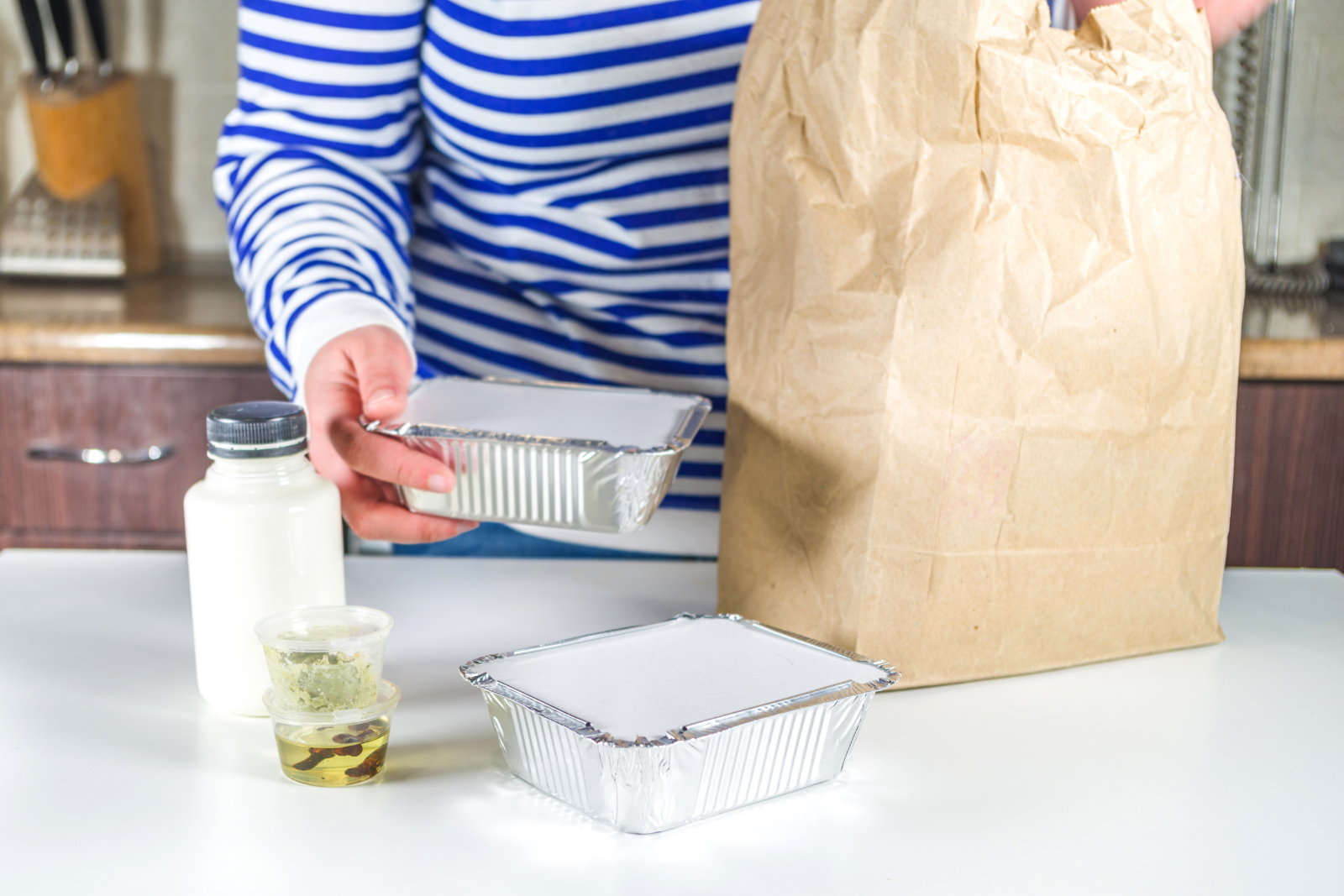
This middle ground combines groceries with shortcuts such as chopped vegetables, ready sauces and cooked or quick-cooking proteins and grains. You assemble or do light cooking, often in about 10 to 20 minutes.
- Best for: Families who want fast dinners plus breakfast items and snacks in one order.
- Trade-offs: Meals can feel simple, and you still have some prep and cleanup.
- Brands to consider: Hungryroot. Some kit companies, including Home Chef and Blue Apron, also offer low-prep or oven-ready choices.
Meal Kits & Cooking-Focused
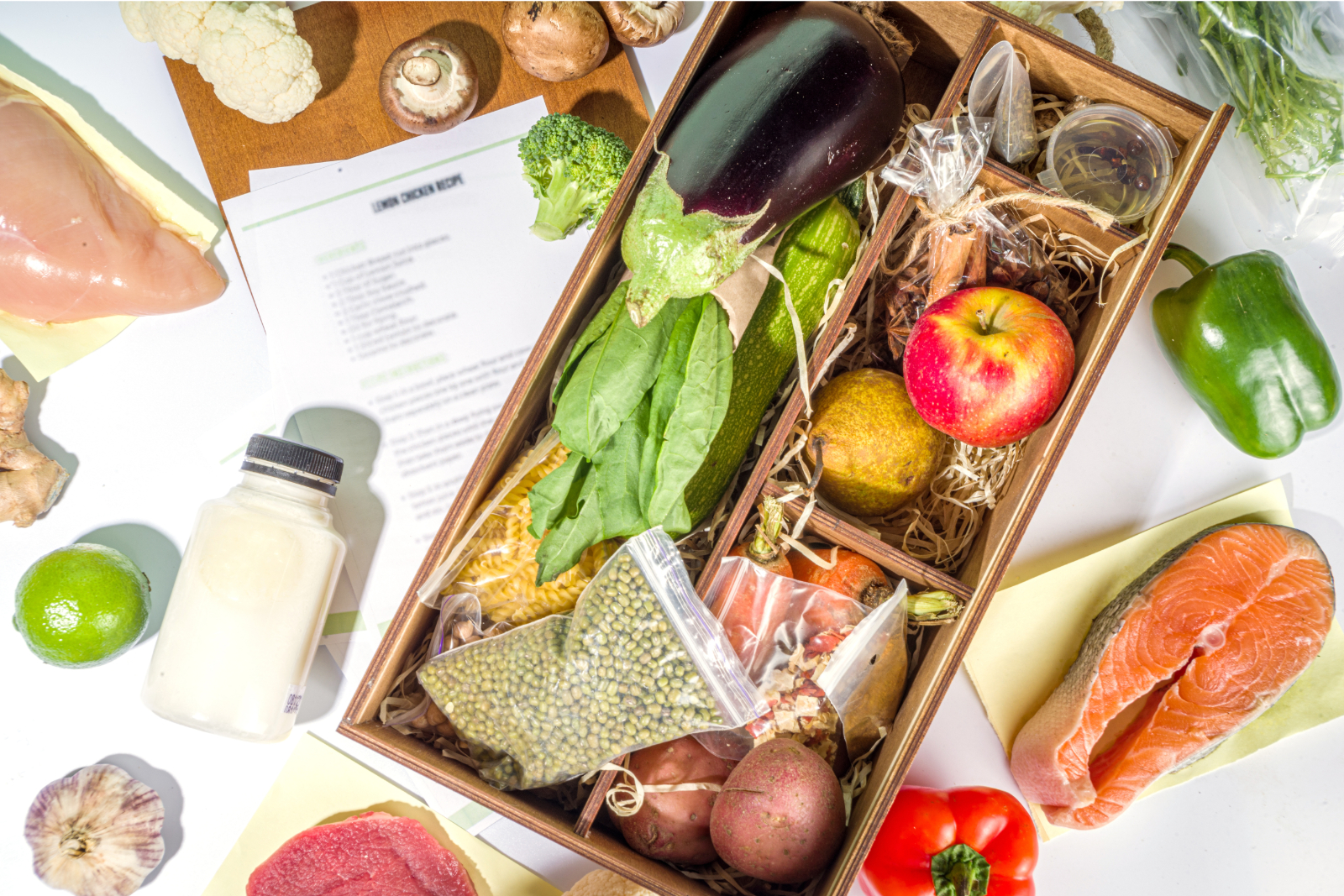
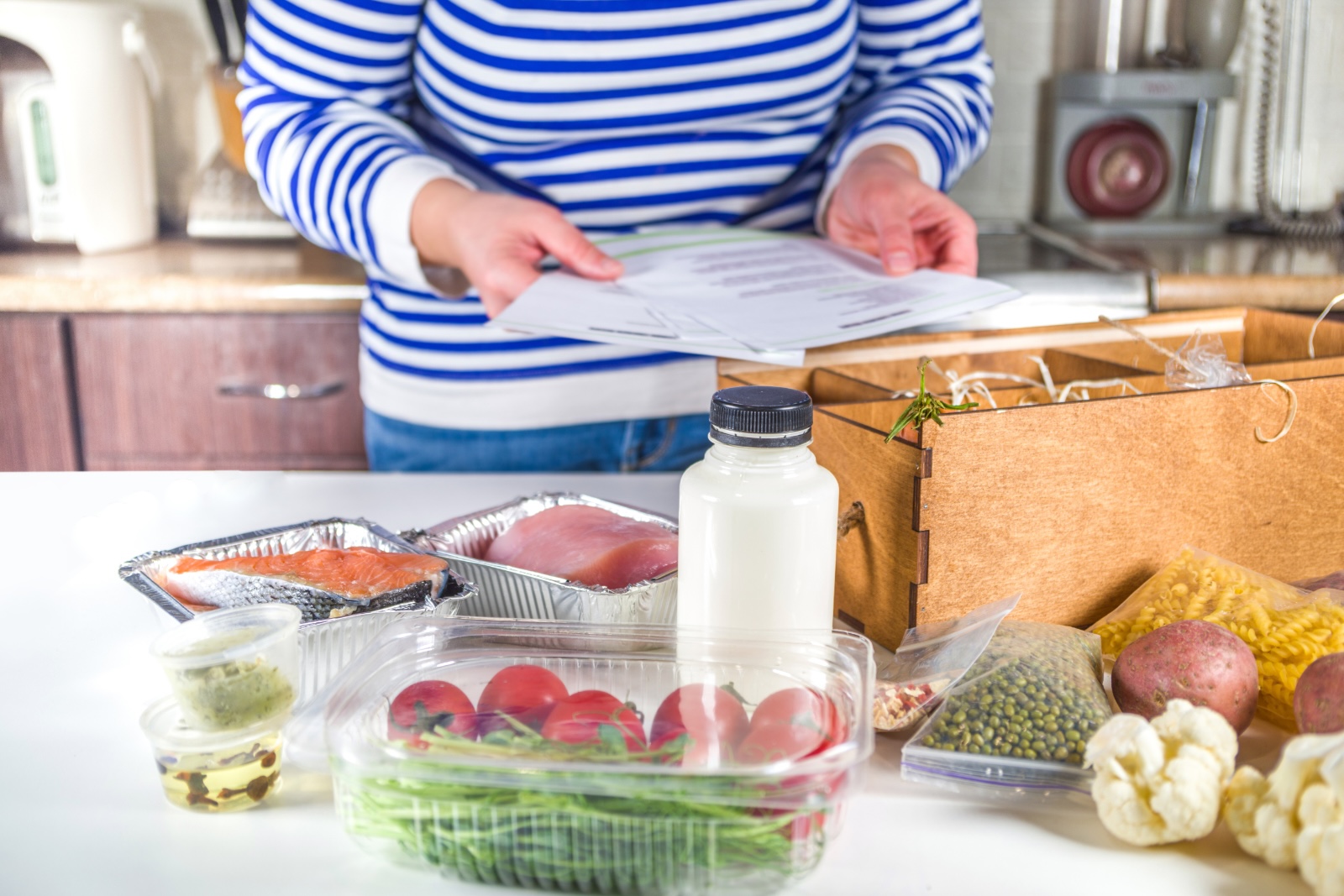
You get measured ingredients and step-by-step recipes, then do the cooking. Many dinners take about 20 to 45 minutes, and some pantry basics may be up to you.
- Best for: Families who enjoy cooking together, want to try new foods or are teaching kids kitchen skills.
- Trade-offs: The most time, effort and dishes of the three.
- Brands to consider: HelloFresh, Home Chef, EveryPlate, Dinnerly, Blue Apron, Marley Spoon, Green Chef, Sunbasket and Purple Carrot.
Quick way to decide: If you have five minutes, choose heat-and-eat. If you have about 15, look at semi-prepared options. If you have 30 or more and like to cook, choose a meal kit.
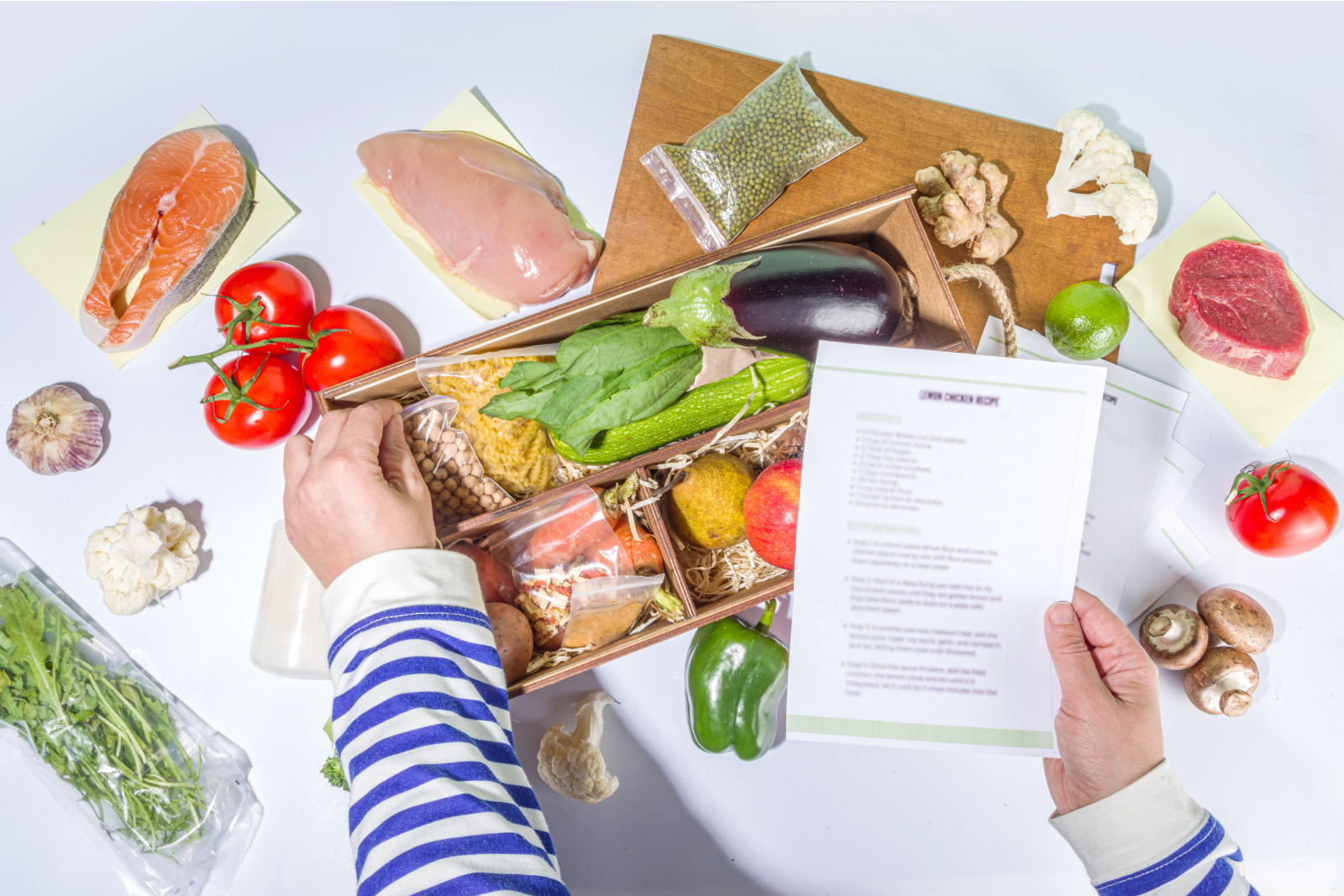
Why Meal Kits and Meal Delivery Are Great for Families With Kids
The biggest win is fewer decisions. You pick meals once, often a week or more ahead, and the nightly “what’s for dinner?” debate gets much shorter.
- Kids can help. Washing produce, stirring sauces and assembling tacos are easy jobs for little hands. Children who help make a meal may be more willing to taste it.
- New foods feel lower risk. You get just enough of an unfamiliar ingredient for one recipe, so a rejected vegetable doesn’t leave you with a whole bag.
- Teens learn to cook. Step-by-step recipe cards let an older child take charge of one dinner a week, with supervision as needed.
- Every age has an option. Some services focus on babies, toddlers and school-age kids, while others feed the whole table.
- Busy nights get covered. Heat-and-eat meals help when practice runs late or a new baby arrives.
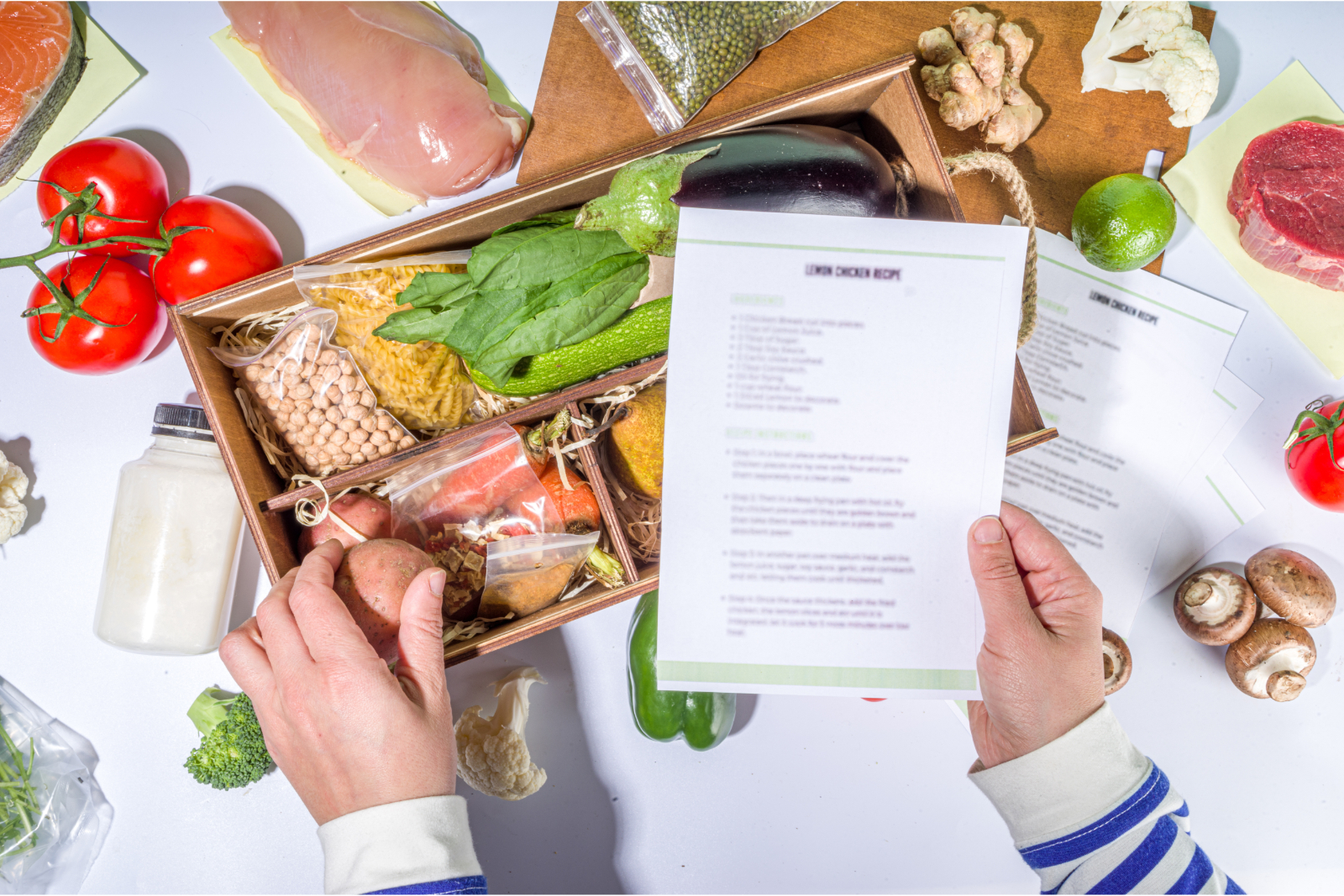
Benefits of Meal Kits and Meal Delivery Services
- Time savings. Less meal planning, list making and wandering the grocery aisles with a cart full of kids.
- Less food waste. Pre-portioned ingredients mean fewer forgotten herbs wilting in the fridge.
- More variety. Rotating menus help you break out of the spaghetti, tacos and nuggets loop.
- Fewer takeout nights. A planned dinner at home is easier to stick with than an empty fridge.
- Visible nutrition details. Many services list calories, allergens and other information so you can compare before choosing.
- Shared responsibility. Clear instructions mean any adult in the house can make dinner.
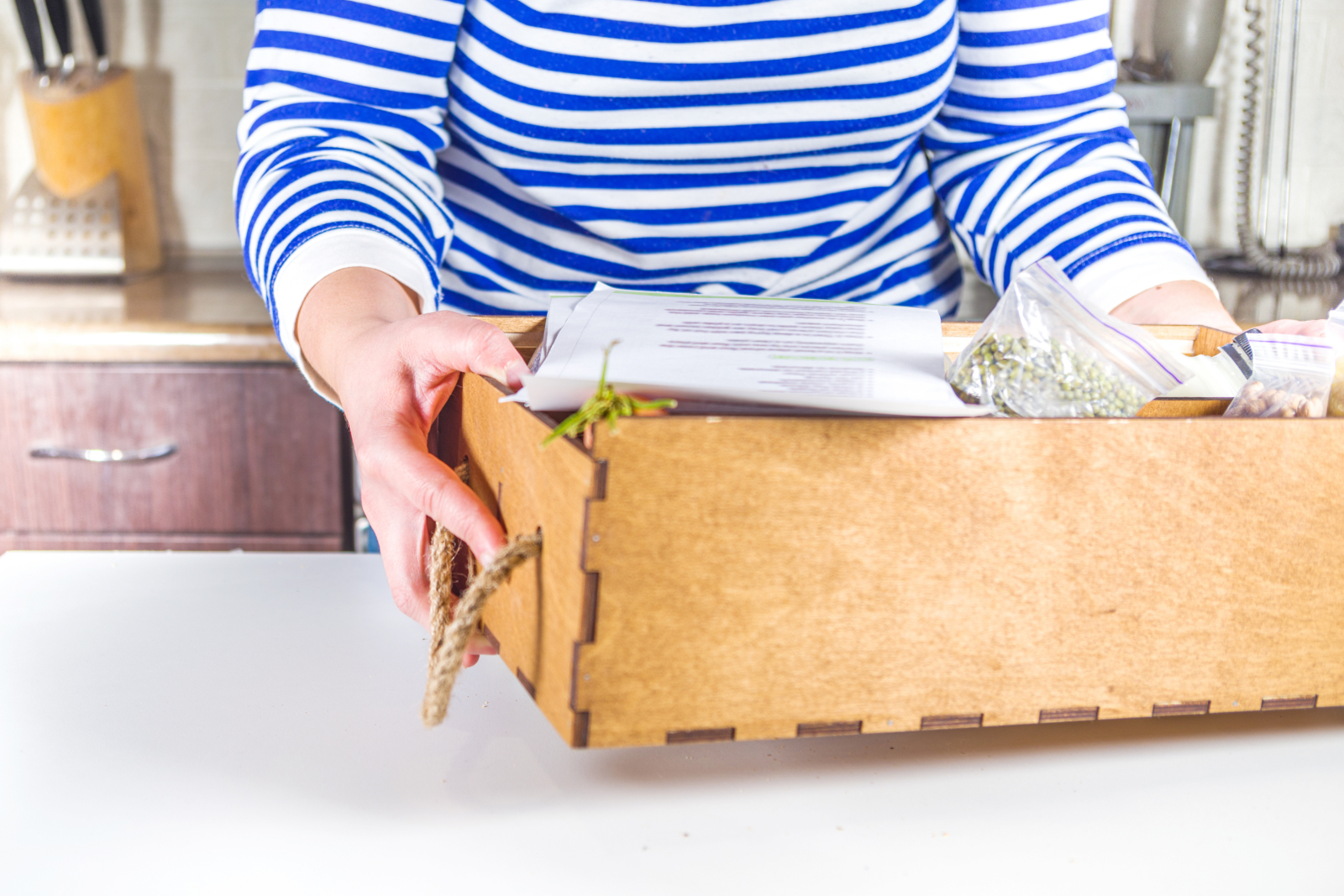
Cons of Meal Kits and Meal Delivery Services
- Higher cost. Meal kits and prepared meals often cost more than cooking the same food from scratch.
- Shipping fees. Delivery charges can add around $7 to $13 per box.
- Subscription traps. Forget to skip a week and you may pay for a box you didn’t want.
- Cooking and cleanup. Meal kits still require chopping, cooking and dishes, and the stated cook time can run short.
- Portions. A serving that satisfies a preschooler may leave a teenage athlete hungry.
- Packaging. Boxes, ice packs and small bags pile up quickly.
- Delivery problems. Late boxes, missing items and damaged produce do happen.
- Limits for allergies and picky eaters. Menus may be narrow, and shared facilities can be a concern for serious food allergies.

How Much Do Family Meal Kits and Meal Delivery Services Cost?
Most family dinners from these services run about $6 to $15 per serving before shipping. Premium proteins and specialty items can cost much more.
- Budget meal kits: about $6 to $11 per serving
- Mainstream meal kits: about $10 to $15 per serving
- Organic and specialty kits: about $9 to $15 per serving, with some premium choices near $30
- Prepared adult meals: about $11 to $18 per meal
- Prepared kids’ meals: about $6 to $8 per meal, with smoothies and baby blends often under $5
For a family of four eating three dinners a week (12 servings), plan on roughly $85 to $100 with a budget kit, $130 to $195 with a mainstream kit, and $140 to $230 with prepared meals, including shipping. Your total depends on plan size, menu picks, taxes and location. Introductory discounts are temporary, so budget around the regular price.
14 Top National Meal Kits and Meal Delivery Services for Families
We’ve rounded up some of the top options available to most Americans across the US. Not only have we listed the brands, we’ve also provided a pros and cons overview to make your choice easy.
1. HelloFresh: Best All-Around Meal Kit
About $10 to $15 per serving.
- Pros: Large rotating menu, beginner-friendly recipes, flexible household sizes and customizable meals.
- Cons: Costs add up for bigger families, shipping is extra and some people find recipes repetitive over time.
2. Home Chef: Best for Mixed Tastes
About $8 to $13 per serving.
- Pros: Protein swaps, quick and oven-ready choices, and plenty of familiar, family-friendly dishes.
- Cons: Some meals are high in sodium, specialty diet options are limited and savings may not grow much with household size.
3. EveryPlate: Best Simple Budget Kit
About $6 to $7 per serving.
- Pros: Low price, hearty comfort food and straightforward recipes.
- Cons: Smaller menu, few specialty diet options and you still do the prep.
4. Dinnerly: Best for Large Families on a Budget
About $6 to $11.50 per serving, with the best rates on larger orders.
- Pros: Affordable, uncomplicated recipes that suit everyday weeknights.
- Cons: Small orders cost much more per plate, shipping eats into savings and you may need more pantry staples.
5. Blue Apron: Best for Flexible Ordering
About $8 to $15 per serving.
- Pros: You can order without a subscription, and there are kits plus prepared and low-prep options.
- Cons: Few specialty diet choices and shipping fees on many orders. Supply problems in the summer led to missing ingredients and delays, so check recent reviews.
6. Marley Spoon: Best for Parents Who Love to Cook
About $10 to $14 per serving.
- Pros: Flavorful recipes with a Martha Stewart connection and a good range of choices.
- Cons: Some meals take longer, and it costs more than budget kits. It also reported summer supply disruptions.
7. Green Chef: Best for Organic Ingredients
Starts around $12 per serving.
- Pros: Strong focus on organic ingredients and several diet-focused menus.
- Cons: Premium pricing, extra charges for some proteins and recipes that may not win over cautious eaters.
8. Sunbasket: Best for Adventurous Eaters
About $11.50 to $30 per serving.
- Pros: Mostly organic produce, creative flavors, seafood choices and several dietary styles.
- Cons: Expensive, portions can run small and recipes may challenge beginners.
9. Purple Carrot: Best Plant-Based Option
About $9 to $15 per serving.
- Pros: Fully vegan menu, creative vegetable-forward meals and some prepared choices.
- Cons: Smaller menu, possible repetition and a tougher sell for meat-loving kids.
10. Hungryroot: Best Grocery and Recipe Hybrid
Starts around $9 per dinner serving.
- Pros: Quick recipes plus snacks and breakfast foods, which can cut grocery trips.
- Cons: The credit system takes getting used to, and it may cost more than shopping yourself.
11. Factor: Best Heat-and-Eat Meals for Parents
About $11 to $17.50 per meal.
- Pros: No cooking, quick heating and options such as high-protein and keto.
- Cons: Single servings get expensive for a whole family, and the menu is aimed more at adults than kids.
12. CookUnity: Best Prepared Meal Variety
About $11 to $16.50 per meal.
- Pros: Chef-made meals, a very large menu and different choices for each family member.
- Cons: Delivery fees, single portions and flavors that may be too bold for some children.
13. Little Spoon: Best for Babies and Toddlers
Baby blends and smoothies start around $3, with kids’ meals from about $6.50.
- Pros: Options that grow from baby food to kids’ meals and lunches, with very little prep.
- Cons: Doesn’t feed the adults, portions may be small for older kids and costs add up with siblings.
See our own review of Little Spoon here!
14. Nurture Life: Best Prepared Meals for Kids
About $7 to $8 per item.
- Pros: Ready-made meals and snacks designed for different childhood stages.
- Cons: Not a whole-family solution, not fully organic and some meals may feel like standard heat-and-eat food.

How to Choose the Right Service for Your Family
- Little time: Look at prepared meals or oven-ready kits.
- Tight budget: Start with EveryPlate or Dinnerly.
- Picky eaters: Compare HelloFresh and Home Chef menus.
- Babies and young kids: Consider Little Spoon or Nurture Life.
- Plant-based household: Try Purple Carrot.
Tips to Maximize Your Value
- Order for your hardest nights. Two or three dinners may solve the problem without replacing your grocery routine.
- Compare the full checkout total. Include shipping, premium upgrades, taxes and any membership fee.
- Stretch meals with staples. Add rice, bread, salad, fruit or frozen vegetables.
- Use new customer offers wisely. Note when the regular price starts.
- Choose meals early. Don’t let default selections decide for you.
- Skip busy or travel weeks. Set a phone reminder before the weekly cutoff.
- Cook perishable items first. Use seafood and delicate greens early.
- Keep the recipes your kids love. Recreate them later with grocery store ingredients.
- Mix services thoughtfully. Kids’ prepared lunches plus a few dinner kits may fit better than one large plan.

Things to Avoid
- Choosing on the promo price alone. The second or third box tells you what you’ll really pay.
- Assuming a serving fits your child or teen. Check weights, calories and recent reviews.
- Overordering. Unused food erases the convenience and the savings.
- Relying on filters for serious allergies. Read every label and contact the company about cross-contact.
- Assuming “skip” and “cancel” are the same. Confirm your cancellation and save the email.
- Leaving boxes outside. Perishable food should arrive at 40°F or below. FoodSafety.gov’s delivery guidance says not to eat or even taste food that arrives warmer, and to notify the company.
- Serving choking hazards without checking. Cut and prepare food to suit your child’s age and ability, even when it’s labeled for kids.
Frequently Asked Questions
What is the difference between a meal kit and a prepared meal delivery service?
A meal kit gives you ingredients and a recipe to cook. A prepared service sends food that is already cooked and only needs heating or serving.
What is the cheapest meal delivery service for families?
Among the brands here, EveryPlate and Dinnerly are usually the lowest-priced family dinner options. Compare totals for your household size, including shipping.
Are meal delivery services cheaper than grocery shopping?
Usually not if you cook budget meals from scratch. They can be worthwhile if they replace takeout or reduce wasted groceries.
What is the best meal delivery service for picky eaters?
HelloFresh and Home Chef are good places to start because of their familiar dishes and customization. Let your kids choose one meal each week.
Can I cancel a meal delivery subscription?
Most subscription services let you skip or cancel, but deadlines apply. Read the terms before your first order.
Final Thoughts: Is Meal Delivery Worth It for Your Family?
The best family meal delivery service is the one that fixes your actual dinner problem at a price you can keep paying. Start small, try a week or two, and ask three questions: Did we eat it? Did it save time? Would we pay full price again?