Beginner’s Guide to Red Light Therapy: How It Works, Benefits, Devices and Costs
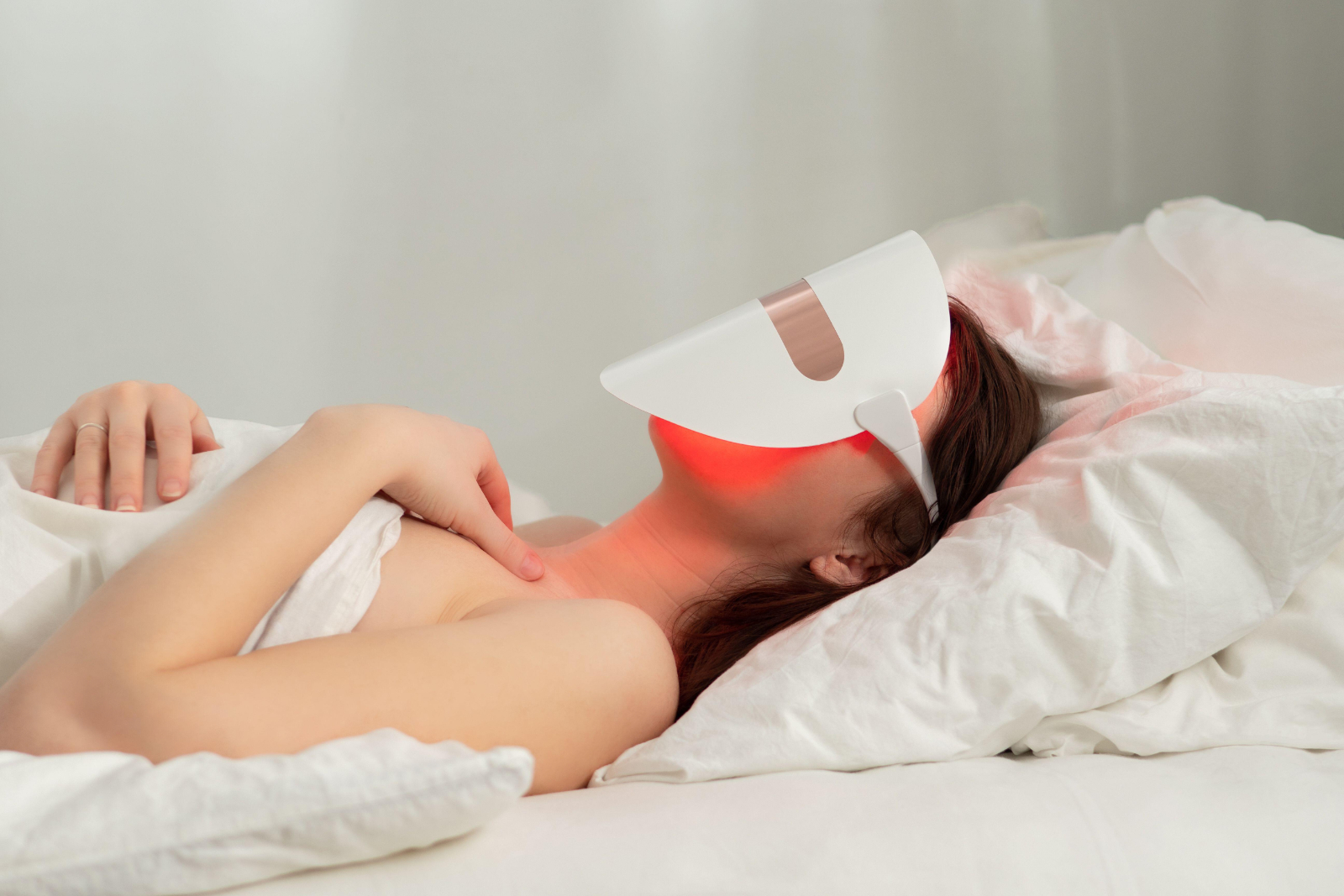
Red light therapy is everywhere right now. You’ll spot glowing face masks all over social media, full-body panels at the gym, and little red caps marketed for thinning hair. If you’re curious but a bit skeptical, that is a healthy place to start.
This beginner’s guide covers what red light therapy is, how it works, and which wavelengths matter. It also looks at what the research says for skin, pain and recovery, hair growth, sleep, and brain health. From there, you’ll find home versus in-facility treatments, easy ways to add it to your routine, popular at-home brands with pros and cons, what devices cost, the risks, and real Reddit users’ experiences, including the lukewarm ones.
The short version: Red light therapy is a generally safe, slow-acting tool. The evidence is strongest for skin aging and pattern hair loss, weaker for pain and recovery, and still early for sleep and cognition. It is not a miracle, and results depend on a decent device, steady use, and patience.
What Is Red Light Therapy?
Red light therapy (RLT) is a non-invasive treatment that shines low levels of red or near-infrared light onto your skin and the tissue just beneath it. You’ll also see it called photobiomodulation (PBM), low-level light therapy, or low-level laser therapy. Cleveland Clinic lists “non-thermal LED light” among its other names, which is a good clue that this is not about heat.
It is also not tanning. Unlike the ultraviolet light from the sun or tanning beds, red light therapy does not use UV rays, and WebMD notes there is no evidence that it causes cancer.
The backstory is a little quirky. According to Cleveland Clinic, NASA first experimented with red light on plant growth in space, then looked at whether it could help wounds heal in astronauts. And as ZOE tells it, scientists in the 1960s who were checking whether low levels of red light caused cancer in rodents noticed the animals got hairier instead, which sparked interest in hair growth.
Red light is already part of mainstream medicine in a few forms. Scientific American points out that red-light therapy inside the mouth has been part of clinical guidelines since 2020 for preventing and treating painful mouth ulcers caused by cancer therapy.
For everyday wellness and beauty uses, though, the honest label is “emerging.” Cleveland Clinic says researchers see promise but want larger studies before most uses are confirmed. Keep that in mind as you read the rest of this guide.
How Does Red Light Therapy Work?
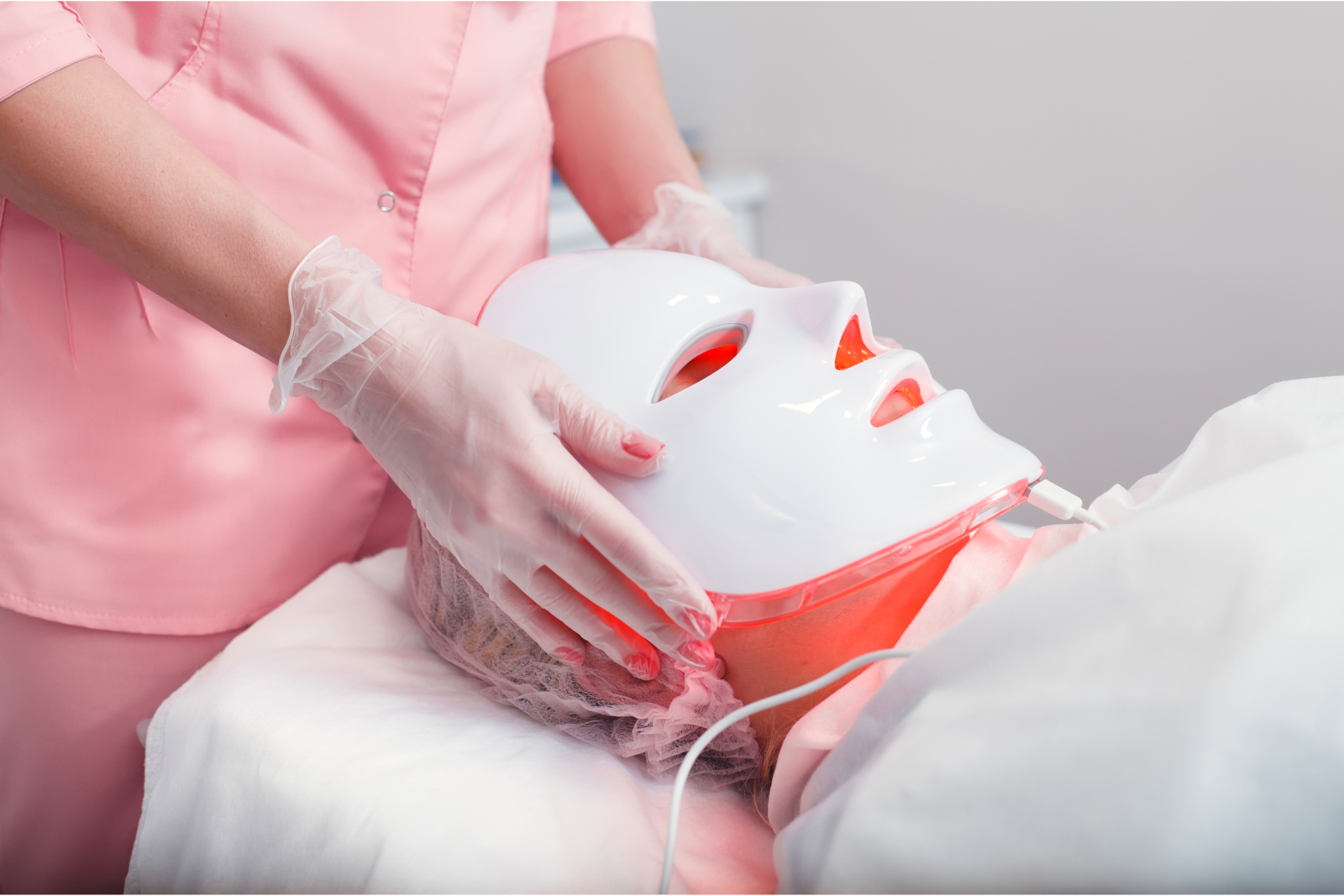
The leading theory is that red light gives your cells a small energy boost. Cleveland Clinic explains that red light therapy is thought to act on the mitochondria, the “power plants” inside your cells. With more energy available, cells can repair skin, grow new cells, and carry out their jobs more efficiently.
Here is the step-by-step version:
- Light is absorbed. Red and near-infrared light reach your skin, and parts of your cells absorb it. Researchers point to a mitochondrial enzyme called cytochrome c oxidase as a key light absorber, as summarized in this overview of a 2024 skin review from the device maker Mito Red Light.
- Cells make more energy. That absorption is linked to higher production of ATP, the fuel your cells run on.
- Signals ripple outward. Light also seems to trigger brief signaling bursts, including nitric oxide release and changes in inflammation, which can affect blood flow and repair.
- Tissue responds over time. In skin, Harvard Health explains that the effect is believed to reduce inflammation and boost collagen, the protein that keeps skin firm and supple. In a hair follicle, the idea is that more energy helps the follicle stay in its growth phase longer.
Notice the word “believed.” The mechanism is reasonably well described in lab research, but scientists are still working out the ideal dose. Harvard Health’s dermatology expert says the optimal session length and dose for different skin issues have not been pinned down. She also notes that at-home devices vary in strength, so it is hard to know how much light you are actually getting.
That is why two things matter more than any marketing claim: using a well-made device, and using it consistently.
Red Light Therapy Wavelengths Explained
Wavelengths are measured in nanometers (nm), and they decide how deep the light travels. As a rule, longer wavelengths reach deeper. Examine explains that light closer to near-infrared penetrates the body more readily, which is why devices aimed at the skin, scalp, or eyes tend to use shorter red wavelengths.
Here are the ranges you will see on product pages:
- Visible red, about 630 to 660 nm. This is the classic red light you can see. It is used for skin-level goals such as texture, fine lines, and redness. AARP reports that the range used is usually about 625 to 670 nm.
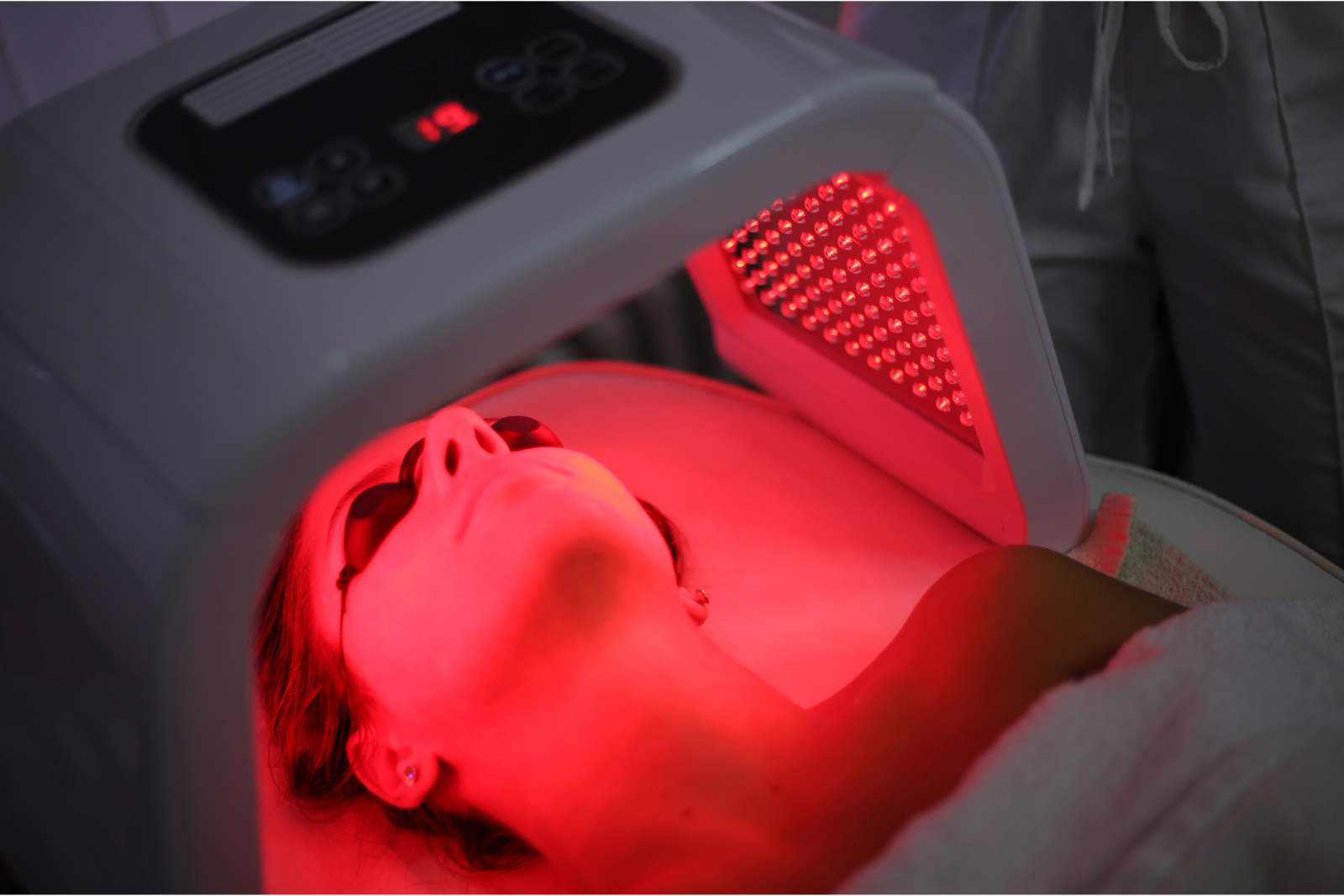
- Near-infrared (NIR), about 810 to 850 nm. You cannot see it, and you may feel only gentle warmth. It reaches deeper tissue, so it shows up in devices made for muscles and joints. Many panels combine 660 nm red with 850 nm NIR.
- Deep near-infrared, around 1072 nm. This is rare. Wareable’s testing notes that CurrentBody’s Series 2 mask adds a 1072 nm wavelength, which is suggested to help with skin rejuvenation.
- Scalp devices, about 630 to 680 nm. Hair caps and helmets generally sit in the red range, sometimes with a little NIR added.
- Blue and amber add-ons. Some masks include blue light (roughly 415 to 445 nm) aimed at breakouts, plus amber light for a brightening effect. Be a little cautious here. A 2024 Cochrane review, as reported by ZOE, found no high-certainty evidence that red or other light therapies treat acne.
Wavelength is only half the story
A device also needs enough power. That is called irradiance, usually listed in milliwatts per square centimeter (mW/cm²), and it matters because a pretty red glow at low power may do very little. On the flip side, Wareable reminds buyers that more power is not automatically better. Distance matters too, so always follow the manual.
When you shop, look for three things on the product page: the exact wavelengths, the power at the distance you will actually use it, and whether the device is FDA-cleared or just FDA-registered (more on that in the brands section).
What Can Red Light Therapy Actually Help With?
People use red light for everything from wrinkles to workouts. The evidence is uneven, so it helps to take it one goal at a time and look at how strong the support really is.
Skin health and anti-aging
Skin is the best-studied use. The American Academy of Dermatology says dermatologists offer red light for acne, signs of aging, and hair loss. Harvard Health, citing the AAD, says research suggests it can help reduce fine lines and wrinkles, lighten dark spots, smooth texture, and calm redness. A Cleveland Clinic dermatologist put it plainly in September 2026: when used consistently it may help with wrinkles and redness, but do not expect overnight or dramatic changes.
One small study of 20 healthy adults, described by IFLScience, had people use a mask for 12 minutes twice a week for three months. L’Oréal’s beauty magazine reports that the group saw 15.6 percent shallower crow’s feet, 26.4 percent more skin density, and 12.5 percent better elasticity. Treat those numbers as encouraging rather than conclusive, since the study was small.
Slow and steady is the theme. Harvard Health’s expert says devices generally need to be used several times a week for four to six months. For acne, the picture is less clear, since the 2024 Cochrane review mentioned above did not find high-certainty evidence.
Pain and recovery
This area is promising but mixed. According to WebMD, a review of 11 studies on pain found mostly positive results, though its authors called for more research. Another review found red light may help with short-term pain and morning stiffness in rheumatoid arthritis, and a review of 17 trials on tendon problems found low to moderate quality evidence for less pain and better function.
For workouts, TODAY points to a 2015 systematic review suggesting red light may improve performance and help muscle recovery when used before exercise. Examine is more careful: pre-workout use might help performance, but it has not been shown to reduce delayed onset muscle soreness. ZOE likewise rates the evidence for recovery and for low back and neck pain as weak.
Two practical notes. First, if you have ongoing pain, get the cause checked before reaching for a light. Second, give it time. One physician quoted by AOL says it may take a month or more to notice a difference in pain levels.
Hair growth
Hair is one of the better-supported uses, with one important limit: the evidence is for pattern hair loss (androgenetic alopecia), the common hereditary kind. WebMD reports that reviews of multiple studies found red light to be an effective treatment for it. ZOE describes a trial in which people wearing a red light helmet grew about 35 percent more hair than people wearing a look-alike placebo helmet.
Expect modest gains, not a new head of hair. The AAD notes that the FDA has cleared several at-home combs, caps, and helmets for hair regrowth, but says they will not regrow a full head of hair and that long-term effects are not yet known. A Cleveland Clinic dermatologist says it may help some people with mild hair loss by prolonging the hair growth phase. Dermatologists quoted by AOL say it is generally fine to combine light with treatments like minoxidil or finasteride.
Timing is slow. One brand of hair helmet tells buyers to allow at least four months before expecting changes, per Wareable, and some people notice extra shedding early on before new hair comes in. It also works best before hair loss is advanced, because the light needs living follicles to work on, as this hair-loss evidence review explains.
Sleep
The science here is early. The Sleep Foundation notes one Chinese study in which 30 minutes of red light therapy each night for two weeks improved sleep quality, melatonin levels, and endurance in female athletes. A 2023 study in Frontiers in Psychiatry also looked at red light, sleep, and mood in healthy people and people with insomnia.
But the studies are small and not all agree. GoodRx points out that another small study found no effect on melatonin, and one found increased alertness and anxiety in some people. Part of the benefit may simply be that you are swapping bright blue-white light for dim red light in the evening. If you try it, the Sleep Foundation suggests about 30 minutes, three times a week, one to two hours before bed, for a month, then check whether your sleep has actually improved. If you feel more wired, stop.
Cognitive function
This is the most experimental area. Examine says preliminary evidence suggests red light therapy may improve cognitive function in people with dementia and possibly in healthy people. WebMD adds that a 2021 review found benefits in all 10 studies it included, but many of those studies were small and had no control group, so larger trials are needed.
In plain terms: it is a fascinating research area, not a proven memory booster. Cleveland Clinic also says there is no scientific evidence yet to support red light for depression or seasonal affective disorder. If memory or mood is a concern, see a clinician first and treat any light device as, at most, an extra.
At-Home vs In-Facility Red Light Therapy
You can get red light therapy in two main ways: in a professional setting, or on your own couch. Neither is automatically better. The right pick depends on your goal, budget, and how likely you are to stick with it.
In-facility treatments
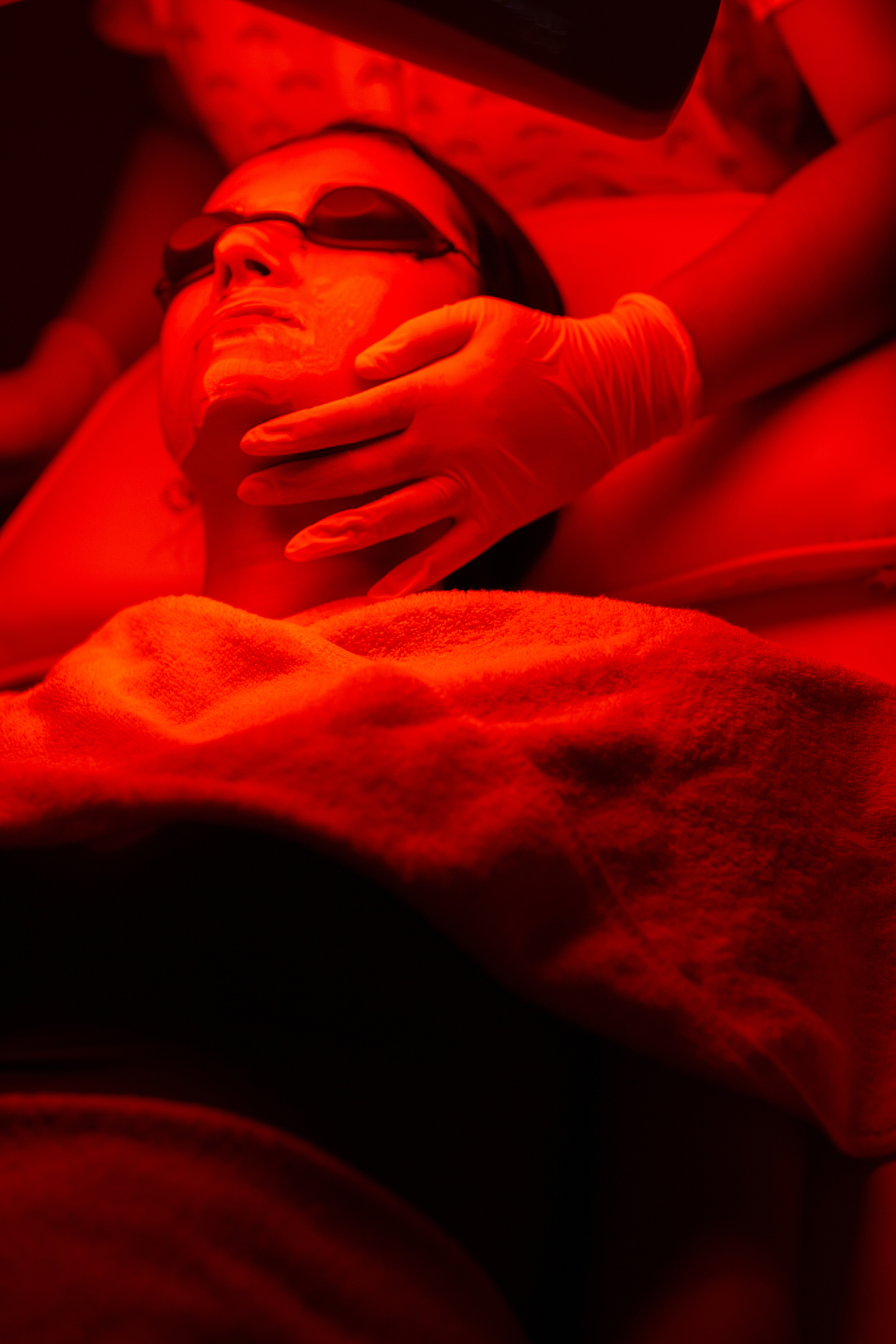
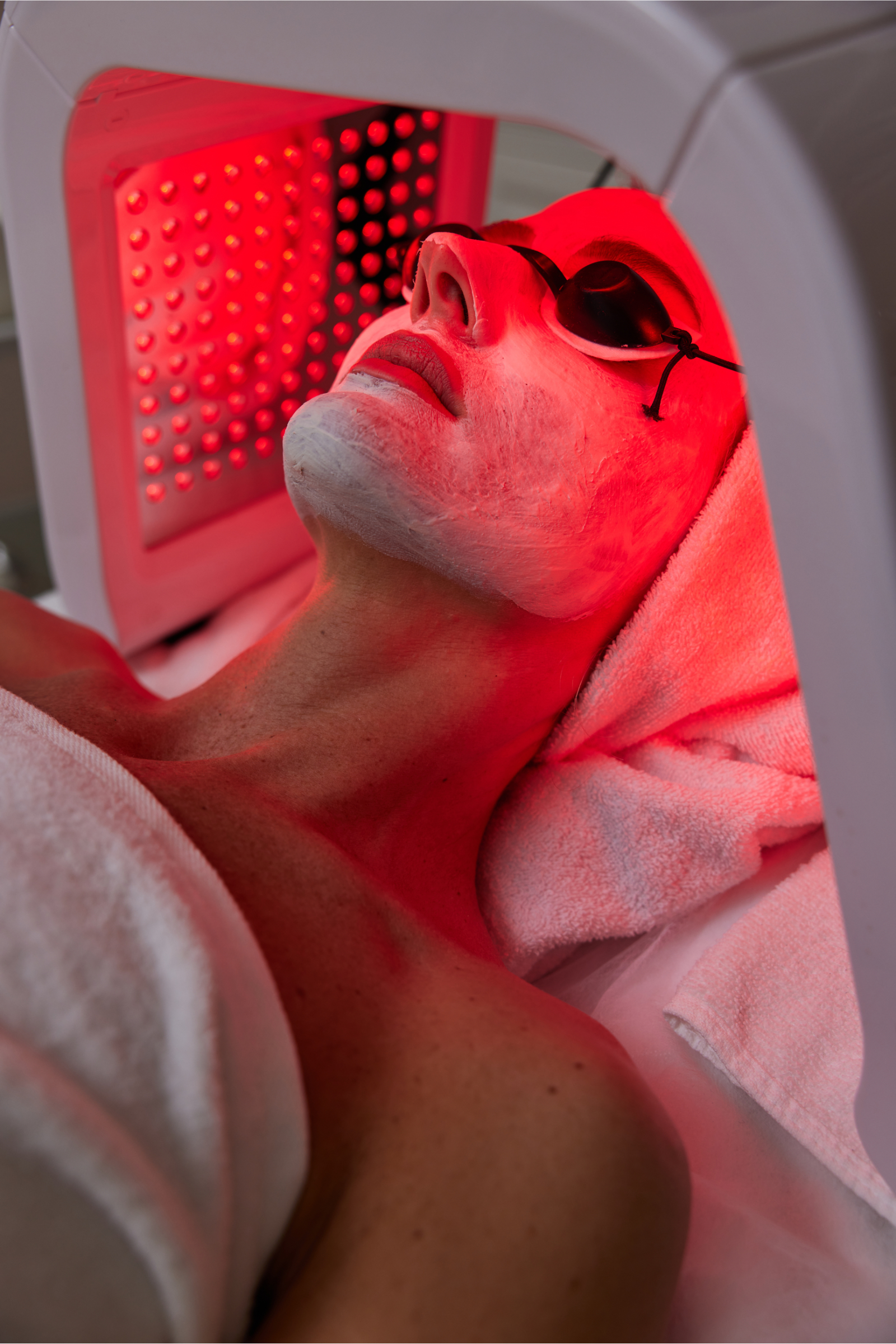
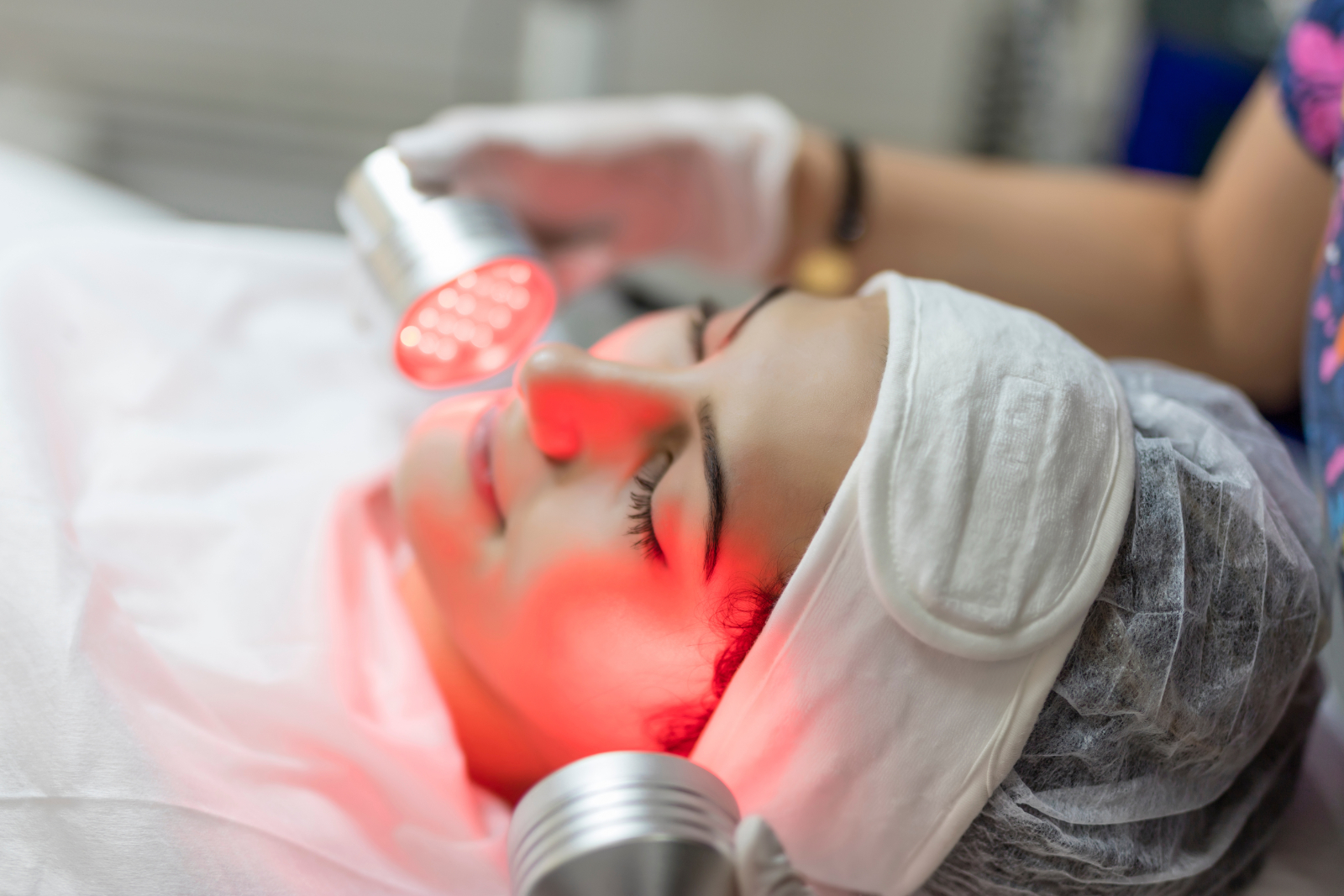
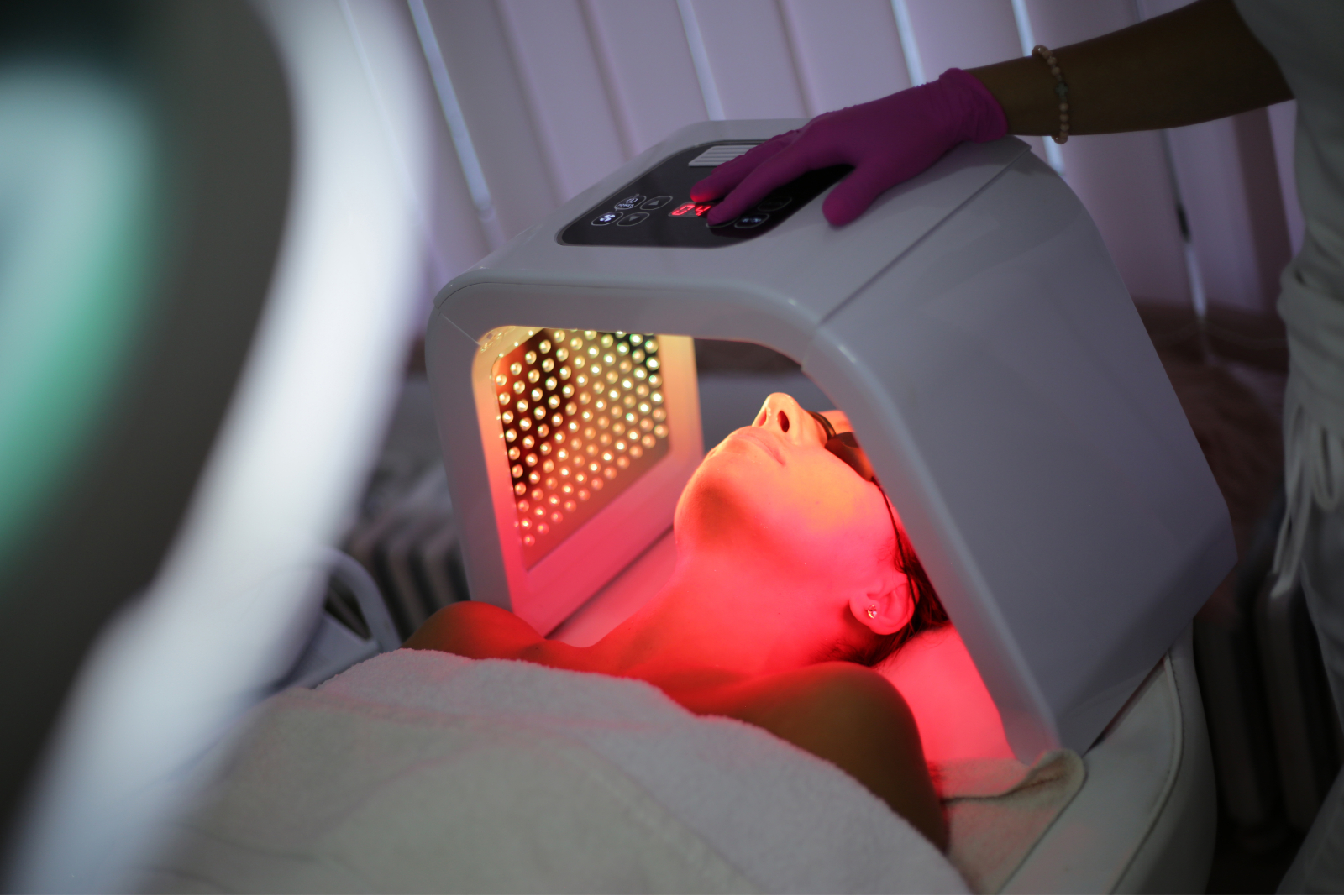
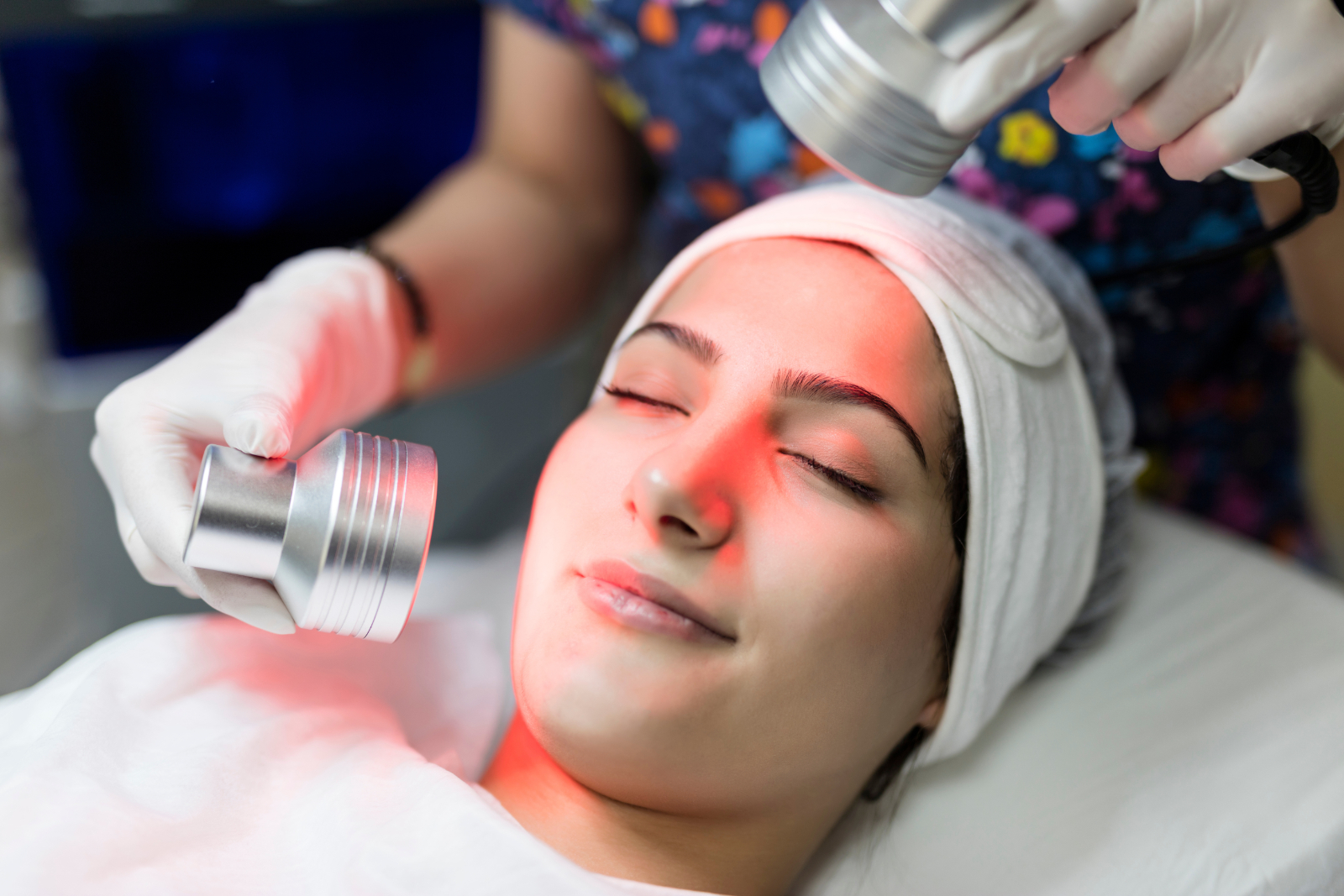
Professional red light is offered at dermatology offices, med spas, wellness studios, physical therapy and chiropractic offices, some gyms, and tanning salons. The AAD says the light dermatologists use is more powerful than the light in at-home devices. Harvard Health’s dermatology expert adds that professional equipment can control the dose better and offer a wider range of doses for different conditions.
Pros
- Stronger, more controlled light
- Someone trained can check that your skin concern is what you think it is
- No upfront device cost, and some gyms include a bed or booth in the membership
Cons
- Sessions add up, and results need repeat visits
- Quality varies by provider, so Cleveland Clinic suggests asking about the experience of the person providing the treatment
- Insurance typically does not cover it, per Cleveland Clinic
Prices vary widely. AARP reports about $50 to $150 per in-office session, while Brown Health cites a range of $25 to $200 depending on the area treated.
At-home devices
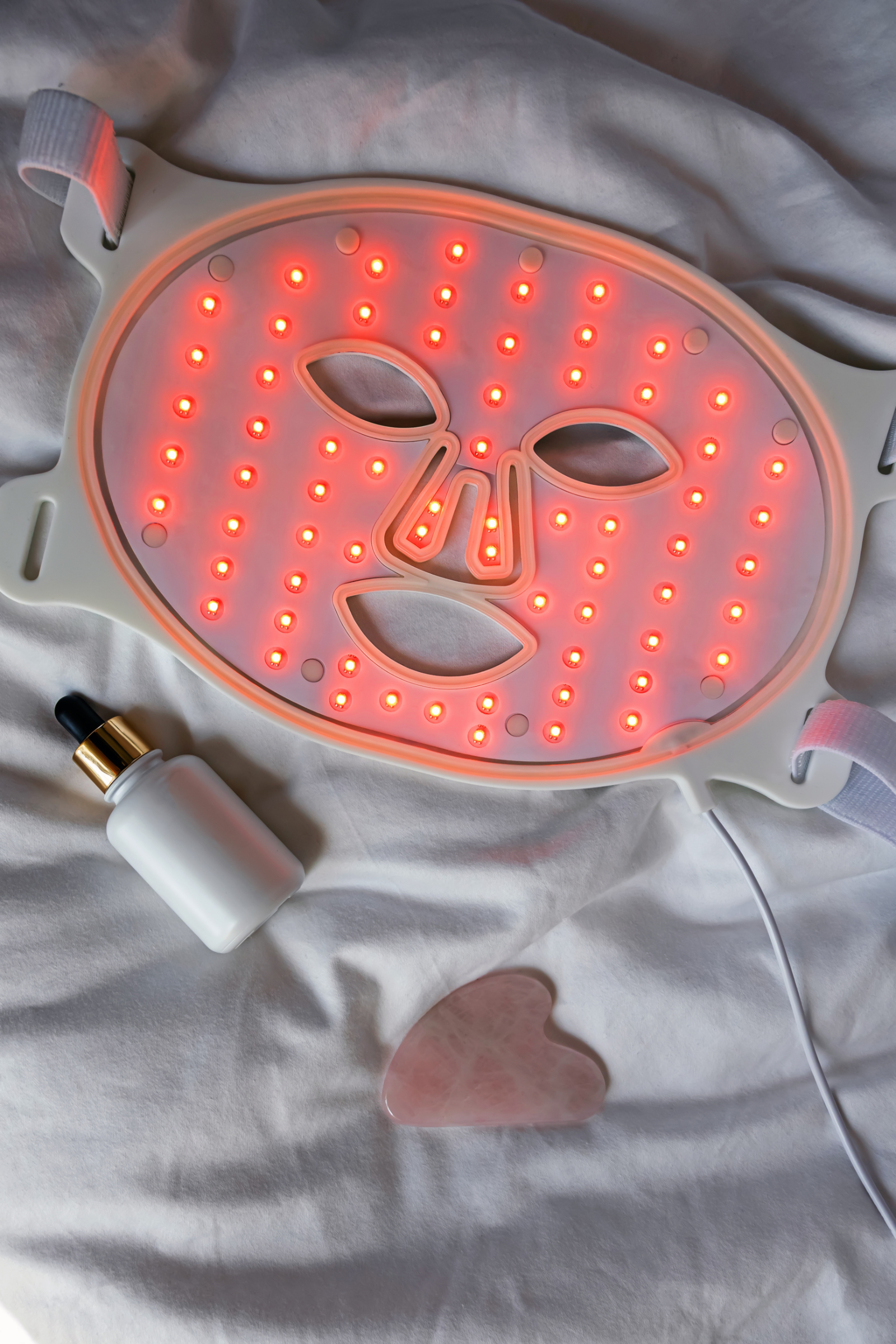
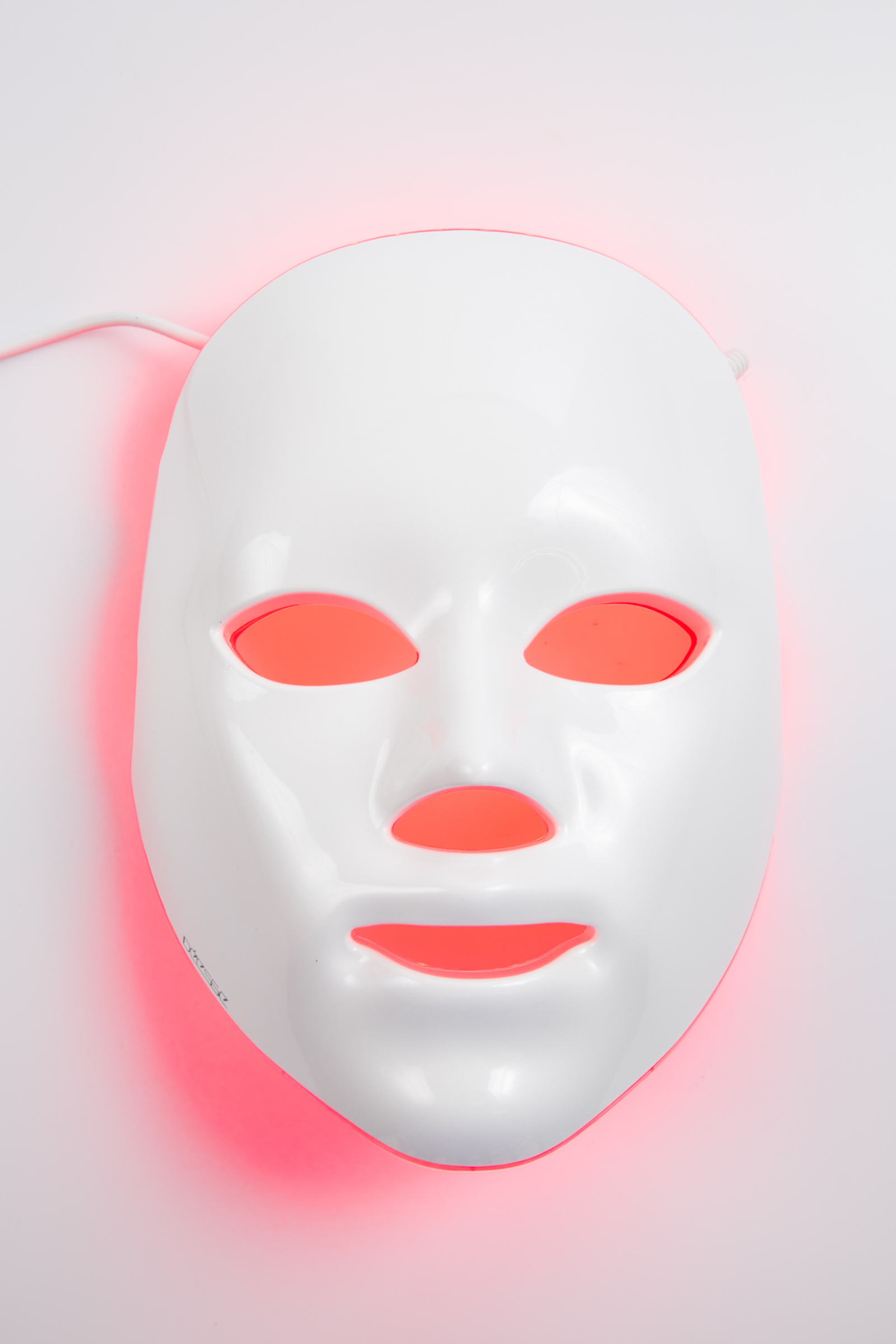
Home devices come as masks, panels, handheld wands, wraps, belts, caps, and helmets. The AAD says many are considered safe for home use and that the FDA has cleared several for skin aging and hair regrowth. The tradeoff is that nobody can say exactly how well a given device works. The AAD points out that researchers test different devices for different lengths of time, so it is hard to know how effective any one at-home product is.
Pros
- Convenient and private, with no appointments
- Easier to be consistent, which matters because results build over months
- Lower cost per session over time (a $400 mask used three times a week is about 156 sessions in year one, or roughly $2.50 each)
Cons
- Big upfront cost for good devices
- Power and quality vary a lot between brands
- You are your own supervisor for distance, timing, and eye protection
So which should you choose?
If you have a specific medical concern, such as hair loss, persistent pain, or a skin condition, start with a dermatologist or your doctor. They can tell you whether light is a sensible option and which device types are worth buying. If you are mostly after general skin glow and you know you will actually use a device, a reputable at-home option is usually the more practical long-term choice.
How to Add Red Light Therapy to Your Self-Care and Skincare Routine
The best routine is the one you will actually repeat. Most masks run for 3 to 10 minutes per session, 3 to 5 times a week, and Wareable’s testers found that short sessions fit easily into an existing skincare routine. Whatever you choose, read your device’s manual first for timing and distance, because more is not better. UPMC warns that overuse can damage skin.
A few ground rules apply to every routine below:
- Use light on a clean, dry face with no product on it, then do the rest of your skincare afterward. This is the general guidance for masks, and one Reddit user says Omnilux’s instructions say the same.
- Protect your eyes. Close them or use the goggles or inserts that come with your device.
- Keep sun protection in your routine. Harvard Health stresses that red light complements, but does not replace, strict sun protection, healthy eating, restorative sleep, and moisturizer.
- If you use prescription skincare or take medicine that makes you sensitive to the sun, ask your dermatologist about timing before you start.
Example routine 1: The morning glow
- Cleanse your face and pat it dry.
- Use your LED mask or panel for the time on its label (often 3 to 10 minutes).
- Follow with moisturizer and sunscreen.
Example routine 2: The evening wind-down
This one doubles as self-care. Dim the overhead lights, put your phone down, and use your device about 30 to 60 minutes before bed, as Saatva’s sleep guide suggests. Pair it with something calming like reading or gentle stretching. One reviewer at the Atlanta Journal-Constitution wasn’t sure it was a game-changer for their skin, but said it gave them a reason to “slow down” at the end of the day, which made it worthwhile for them.
Example routine 3: The workout or recovery session
Before a workout, a short session on the muscles you are about to use fits the research on performance best (see the TODAY review mentioned above). For sore knees, shoulders, or a stiff back, use a panel or wrap on the area for the time and distance in the manual, usually 10 to 20 minutes, a few times a week. Keep up your normal stretching, strength work, and rest, since light is an add-on rather than a replacement.
Example routine 4: The scalp routine
Wear your cap or helmet exactly as directed. Manufacturers commonly recommend sessions of about 10 to 30 minutes several days a week, and you will need to keep going for months before judging results.
Make it stick
- Pair it with something you already do daily, like brushing your teeth or your evening show.
- Take a weekly photo in the same spot with the same lighting. Reddit commenters on one before-and-after post pointed out that changing light makes progress photos hard to trust.
- Plan on 8 to 12 weeks before you judge. Some brands suggest dropping to a lower-frequency maintenance schedule once you reach your goal.
Popular At-Home Red Light Therapy Brands: Pros and Cons
The market is crowded, so here is a practical shortlist grouped by what you want to treat. A few notes first. Prices are the figures published in November 2026 and change often with sales. I have not tested these devices myself. The pros and cons come from independent hands-on reviews and the brands’ own specs, and some of the review sites earn affiliate commissions, so treat any single review as one data point.
A word on FDA labels. The AAD says “FDA approved” and “FDA certified” have no meaning for medical devices like these, because the FDA clears them. Wareable adds that no at-home red light device is FDA-approved, most are simply FDA-registered wellness products, and only a small number are FDA-cleared. Clearance is a safety and labeling signal, not a guarantee of results.
Face masks
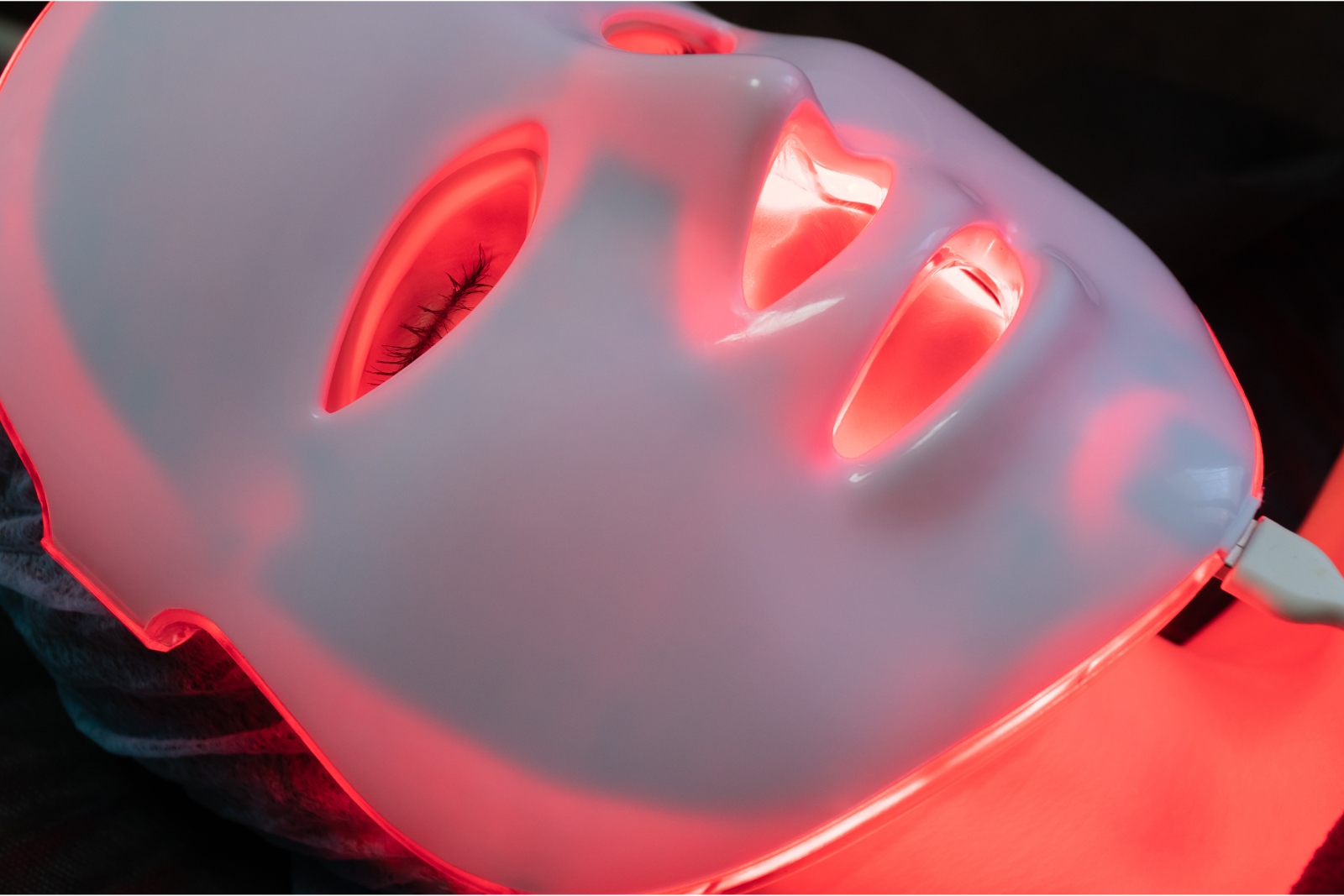
Omnilux Contour Face ($395). FDA-cleared, with red (633 nm) and near-infrared (830 nm) light and 10-minute sessions.
- Pros: Wareable calls it the best feature-to-price balance, with a soft, flexible fit and modest texture and tone improvements in testing.
- Cons: no built-in eye protection, the straps feel loose, and light coverage is not perfectly even.
CurrentBody Skin LED Face Mask Series 2 ($469.99). FDA-cleared, with red, near-infrared, and deep near-infrared (1072 nm) light.
- Pros: covers the chin, has secure stretchy straps, and offers optional eye inserts.
- Cons: the highest price of the masks here, the white silicone stains quickly, and Wareable notes some light can still reach the eyes, so keep them closed.
Solawave Wrinkle Retreat Pro ($399). FDA-cleared, with red, deep red, near-infrared, and amber light.
- Pros: sessions take only 3 minutes, goggles are included, and it carries a long list of safety certifications.
- Cons: fits large, the straps do not always hold, and results felt modest in Wareable’s testing.
Scalp and hair devices
iRESTORE Elite helmet ($1,899). FDA-cleared, with three red wavelengths (625, 655, and 680 nm) and 12-minute daily sessions.
- Pros: even coverage across the scalp and a simple routine.
- Cons: premium price, bulky and not discreet, and the maker says you need at least four months to see early changes.
HigherDOSE Red Light Hat ($449). A baseball-cap style device.
- Pros: a reviewer at The Daily Beast noticed less shedding after a month and priced it well below CurrentBody’s $859 hair helmet.
- Cons: the same reviewer says visible improvement takes around three months, and $449 is still a real spend.
Panels for body and face
Joovv Solo 3.0 (about $1,200 to $1,700, depending on the seller and sales). The brand that popularized home panels, with 660 and 850 nm light, 150 LEDs, a Bluetooth app, and a modular design, per an Outliyr product listing.
- Pros: well-known brand with strong resale value and polished hardware.
- Cons: reviewers repeatedly call it the priciest option for similar specs, and Light Therapy Insiders notes some functions only work through the app.
Mito Red Light (panels from $369). The MitoPRO series comes with a 60-day trial and a 3-year warranty, and The Good Trade notes goggles are included.
- Pros: Michael Kummer’s review praises its broad wavelengths (630, 660, 830, and 850 nm) and stackable design.
- Cons: no mobile app, limited wavelength control, and a lineup that can feel confusing.
Hooga ($149 to $159 for entry panels and handhelds). The Good Trade likes its adjustable dosage, built-in cooling fans, and 2-year warranty.
- Pros: one of the most affordable well-known brands.
- Cons: Outliyr’s lab tester has said some Hooga panels flicker and have other issues, though he still considers them probably a net benefit.
RLT Home Total Spectrum (about $595 to $695 for small devices, up to $1,595 for the MAX panel). Seven wavelengths, a 3-year warranty, and no app required.
- Pros: Outliyr measured its flagship ELITE panel at about 71 mW/cm² at 12 inches.
- Cons: premium pricing, sold direct only, and Outliyr notes the MAX is a wellness product rather than FDA-cleared.
HigherDOSE Full Body Red Light Mat ($1,199). 660 and 850 nm light with a gentle 40 Hz pulse and a 120-day money-back guarantee.
- Pros: hangs on a door or drapes over you on the couch.
- Cons: highest price in this group, with only a one-year limited warranty.
Portable and budget options
Vital Red Light Vital Charge ($299). A rechargeable handheld with four wavelengths and a built-in timer.
- Pros: travels well, with a battery rated for 4+ hours.
- Cons: only 12 LEDs, so it treats small spots and is not built for full-body sessions.
DNA Vibe Jazz Band ($159+). A moldable wearable with red, near-infrared, magnetic, and micro-vibration modes.
- Pros: easy to wear while you work or relax, and made in Colorado.
- Cons: smaller treatment area than a panel, and a one-year warranty.
Bestqool Pro200 ($589). A budget full-body panel with 200 LEDs.
- Pros: full-body coverage, cooling fans, and a digital timer, per Outliyr.
- Cons: limited wavelength choice, no pulsing modes, and a less established brand.
How Much Does Red Light Therapy Cost?
Short answer: from under $100 for no-name gadgets to more than $1,500 for premium panels. Harvard Health notes that masks, caps, and wands typically cost several hundred dollars or more, and the prices in the brand section back that up. Here is how it breaks down by type, using the November 2026 prices mentioned above.
- Budget and portable devices: about $150 to $300. Hooga’s entry devices start around $149 to $159, DNA Vibe starts at $159, and the Vital Charge is $299.
- LED face masks: about $400 to $470. Omnilux is $395, Solawave is $399, and CurrentBody Series 2 is $469.99.
- Hair caps and helmets: about $450 to $1,900. HigherDOSE’s hat is $449, CurrentBody’s helmet is $859, and iRESTORE Elite is $1,899. You will also find unbranded caps listed on marketplaces for around $50 to $80, but check clearance and specs carefully before trusting them.
- Panels and mats: about $370 to $1,700. Mito panels start at $369, Bestqool’s Pro200 is $589, RLT Home’s larger panels run up to $1,595, Joovv’s Solo 3.0 is typically listed around $1,699, and HigherDOSE’s full-body mat is $1,199.
- In-facility sessions: about $25 to $200 each. AARP reports roughly $50 to $150 per in-office session, and Brown Health cites $25 to $200. A DermCollective guide puts tanning salon sessions at about $30 and spa sessions at $100 to $150, with gym memberships sometimes including a bed.
Ways to spend smarter
- Do the per-session math. A $400 mask used three times a week works out to roughly $2.50 a session in year one, while a $100 spa visit twice a month adds up to about $2,400 a year.
- Check your benefits. Cleveland Clinic says insurance typically doesn’t cover red light therapy, but The Good Trade notes several brands, including RLT Home, HigherDOSE, and Hooga, advertise FSA/HSA eligibility.
- Look at trials and warranties. Mito and RLT Home advertise 60-day trials, and HigherDOSE advertises 120 days, which gives you time to judge results before you are locked in.
- Split the cost. One Reddit user in r/30PlusSkinCare said they used Afterpay to turn a $400 mask into installments of about $100 a month.
- Be careful with DIY. A commenter in that same thread described building a setup from a 660/850 nm bulb, a lamp stand, and goggles for about $100. It is a creative idea, but you lose the tested dose, safety certification, and distance guidance that come with a real device, and heat lamps can run hot.
Risks and Side Effects of Red Light Therapy
Red light therapy is generally considered safe when used as directed. UPMC says so, and Harvard Health describes the side effects as minimal. But “generally safe” is not the same as “risk-free,” and the AAD points out that the long-term effects of red light devices on skin and hair are still unknown.
Common, mild side effects
The most reported side effects are temporary: skin redness, irritation, dryness, or a tight feeling. UPMC also warns that using it too often can damage skin, and burns or blisters are possible if a device is misused. That is why sticking to the manual’s timing and distance matters.
Eye safety
This is the big one. Direct exposure can harm the eyes, so Cleveland Clinic advises shielding them, and Harvard Health’s expert says to use the shields if your device includes them. A September 2026 report from Healio goes further, relaying an optometry meeting speaker who said at-home devices designed to treat the eyes themselves need more study on both effectiveness and safety. For everyday skin devices, close your eyes or wear goggles, and talk to an eye doctor before aiming any light at your eyes on purpose.
Who should check with a doctor first
- People with light sensitivity. A Cleveland Clinic dermatologist says to avoid red light therapy if sun exposure gives you blisters or burns, or if you take medicines that increase sun sensitivity, such as certain antibiotics and blood pressure medications. Harvard Health also lists conditions like lupus.
- People with darker skin. Harvard Health’s expert notes that visible light can sometimes lead to dark spots, so people with darker skin should check with a dermatologist and start with lower doses.
- Pregnant people, children, and cancer patients. TODAY quotes an expert who says these groups should check with their doctor first or avoid it.
- Anyone with reduced sensation. If you can’t feel heat well, such as with nerve damage, shorten sessions and check your skin before and after.
- Anyone with a new or changing skin spot, or unexplained pain. Get a diagnosis first. A light device can’t tell you what is wrong.
Other things to watch for
- Mood and sleep. GoodRx points to one small study in which red light increased alertness and anxiety in some people, so notice how you feel, especially if you use it in the evening.
- Overblown claims. Cleveland Clinic says there is no scientific evidence for red light as a treatment for weight loss, cancer, cellulite, depression, or seasonal affective disorder.
- Mixed anecdotes. In r/redlighttherapy, people have posted asking whether red light might be behind worse skin texture, new breakouts, or chapped lips from a mask. Those are individual reports, not established side effects, but they are a good reminder to start slowly and stop if your skin gets worse.
- Early hair shedding. Some people notice more shedding at first with scalp devices before new growth appears. If it doesn’t settle, check in with a dermatologist.
- Low-quality devices. Cheap, uncertified devices may deliver little light, an unknown dose, or flicker. Look for clear specs and, ideally, FDA clearance.
A simple safety checklist
- Choose a device with clear wavelength and power specs, and FDA clearance if possible.
- Read and follow the manual for distance and session length.
- Protect your eyes.
- Start with shorter, less frequent sessions and build up.
- Stop and check with a clinician if you get burns, blisters, vision changes, or worsening skin or hair.
Real Reddit Experiences With Red Light Therapy
Studies tell you what happens on average. Reddit tells you what it is like to actually do this for months. Below are real posts from people who saw positive results, plus a couple of reality checks. Usernames are left out, and quotes are kept short.
Skin: slow, subtle, and worth the wait
In a popular r/30PlusSkinCare post titled “Red light therapy absolutely works!!!”, one user who bought a CurrentBody mask said their redness calmed within two weeks. Three months in, they wrote that “my ice pick scarring has also faded quite a bit.” In the comments, someone asked how often it is used, and the answer was four times a week, with the mask shutting off after ten minutes.
A much-upvoted 8-week journey post in the same community is a good lesson in patience. The poster, who has rosacea, used an Omnilux mask for ten minutes a day and saw no change until about week six. After that, they noticed better texture and a bit less redness, though they were clear it was not a cure. Another commenter with rosacea who used a CurrentBody mask wrote that “All of a sudden I started ‘liking’ my skin” after about six to seven weeks.
Over in r/redlighttherapy, a user posted a six-month update on a budget mask in a post whose title says they “Definitely see an improvement in texture.” Some commenters agreed the texture looked better, while others said a before-and-after taken without makeup and in identical lighting would be more convincing.
Recovery: enthusiastic, but not yet backed up
A recent post in r/redlighttherapy about infrared light and delayed onset muscle soreness declared the soreness “95% GONE in just 30 mins.” That is a striking claim, and it is worth remembering that Examine says red light therapy has not been shown to reduce delayed onset muscle soreness in research. It may feel great and still be placebo, good timing, or the warmth of the device. Both things can be true.
The honest counterpoints
Not everyone is a convert. On the same 8-week skin thread, one commenter said a year of ten-minute sessions helped texture only, with pimples still showing up and acne scars staying put. And in r/alopecia_areata, the early replies to someone asking about red light were not encouraging, with one saying “Didn’t do anything for me.” That fits the research: the evidence for hair is for pattern hair loss, not alopecia areata, which has a different cause.
What to take from these stories
- Expect weeks, not days. Several users saw nothing until six to seven weeks in.
- Results are usually subtle. Texture, tone, and calmer redness come up far more than dramatic changes.
- Anecdotes are not evidence. In the 8-week thread, a commenter pointed out that the poster also changed their moisturizer, which could explain some of the improvement. The poster agreed and said they believed it was a combination.
- Consistency shows up again and again. The people who report good results mostly describe regular, patient use of a decent device.
Red Light Therapy FAQ
Does red light therapy really work?
For some goals, yes, modestly. The best evidence is for skin aging and pattern hair loss, the evidence for pain and recovery is mixed, and the research on sleep and cognition is early. Cleveland Clinic still calls it an emerging treatment.
How long does it take to see results?
Plan on weeks to months. Harvard Health’s expert says devices generally need to be used several times a week for four to six months, masks are often judged over 8 to 12 weeks, and hair devices take at least four months to show early changes.
How often should I use red light therapy?
Follow your device’s manual. Masks are commonly used 3 to 5 times a week for a few minutes, panels and wraps for 10 to 20 minutes, and some hair devices daily. More is not better, and overuse can irritate or damage skin.
Is red light therapy the same as tanning or UV therapy?
No. Red and near-infrared light contain no ultraviolet rays, and WebMD says there is no evidence that red light therapy causes cancer. It is also different from bright light boxes used for seasonal affective disorder.
Which wavelength is best?
It depends on your goal. Red light around 630 to 660 nm is typically used for skin and scalp, and near-infrared around 810 to 850 nm is used for deeper areas such as muscles and joints. Many devices combine the two.
Can I use it with other treatments like minoxidil or retinoids?
Dermatologists quoted by AOL say there is generally no major risk in combining light with hair treatments like minoxidil or finasteride. For prescription skincare or any medicine that makes you sun sensitive, ask your dermatologist or pharmacist first.
Is an at-home device worth the money?
It can be, if you will use it consistently and you buy something with clear specs. Look for FDA clearance, a trial period, and a warranty, set realistic expectations, and see a dermatologist if you have a medical concern like hair loss or a skin condition.
The Bottom Line
Red light therapy is not magic, but it is not just hype either. If you are after smoother-looking skin or help with early pattern hair loss, there is real research behind it, and many people on Reddit describe slow, steady improvements. If you hope it will fix chronic pain, melt fat, or sharpen your brain, the evidence is thin, so keep your expectations modest.
Start with a clear goal, choose a device with transparent specs, protect your eyes, stay consistent for at least two to three months, and keep the rest of your routine solid, including sunscreen, sleep, and moisturizer. If you are unsure, a quick chat with your dermatologist or doctor is the best first step.
This article is for general information only and is not medical advice.