The Confidence Ladder: 7 Small Adventures That Help Shy Kids Try New Things

For some children, trying something new is exciting. For others, it can feel like a big step outside their comfort zone. Joining a group activity, learning a new physical skill, or entering an unfamiliar environment may bring uncertainty, hesitation, or a fear of making mistakes. These reactions are common, particularly among children who take time to feel comfortable in new situations.
The goal is not to turn every shy child into an outgoing adventurer. Children have different personalities, and being quiet or reserved is not a weakness. Instead, parents can help children develop the confidence to explore their interests, face manageable challenges, and discover what they can accomplish with practice.
One effective approach is to break unfamiliar experiences into smaller steps. A child who feels nervous about a new activity might first watch someone else, then try a simple version, and eventually participate more independently. Each small success can make the next challenge feel less intimidating.
Physical activities are particularly useful because they give children opportunities to practise skills, solve problems, and recognize their progress. Here are seven small adventures that can help hesitant children become more comfortable trying new things.
1. Start with a Backyard Obstacle Course
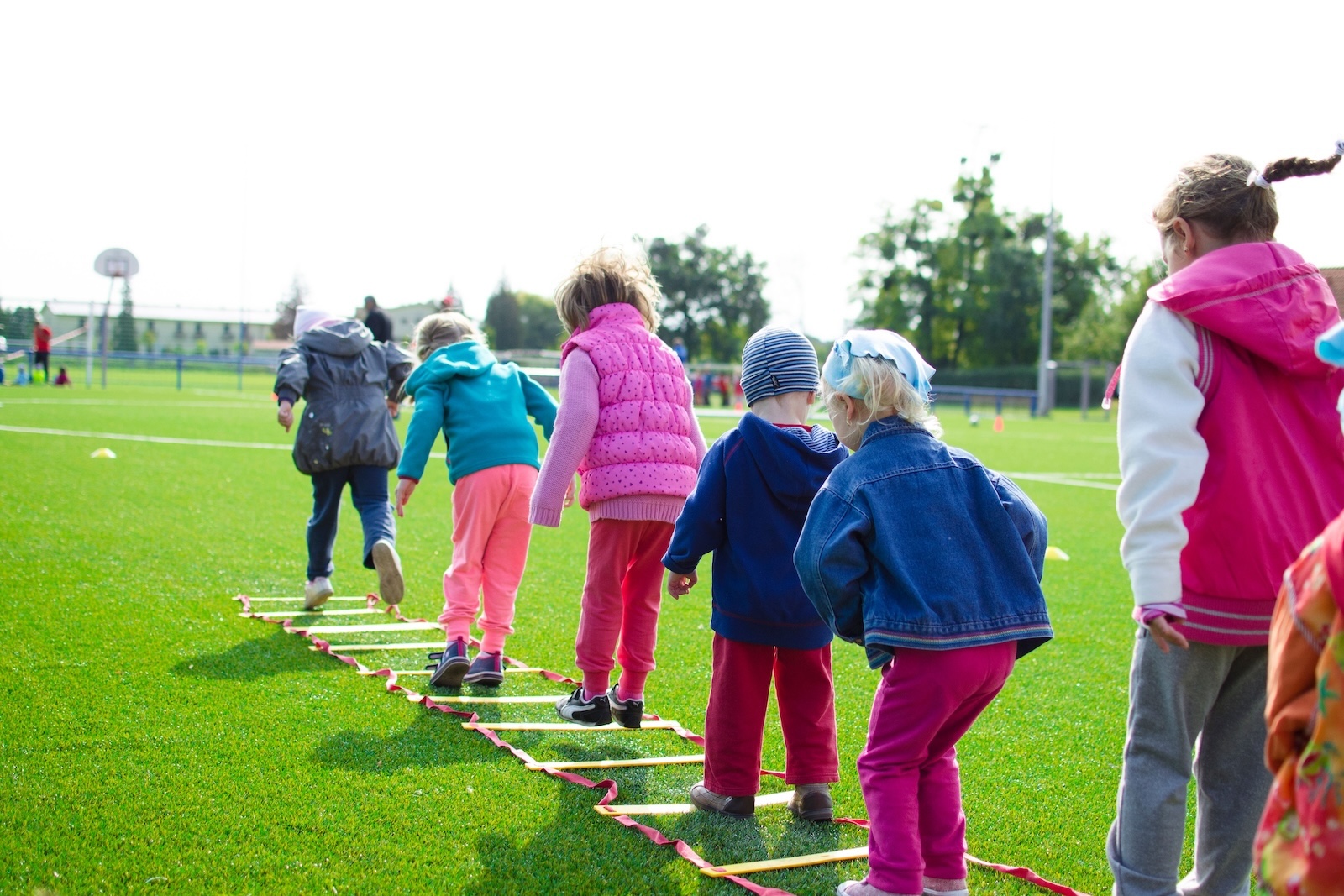
An obstacle course is an easy way to introduce new challenges without placing children in an unfamiliar social environment. It can be set up in a backyard, living room, or local park using cushions, cones, chalk, and other safe household items.
Begin with simple tasks, such as stepping over a line, walking around a cone, or tossing a soft ball into a basket. Once your child becomes comfortable, introduce something slightly more challenging, like balancing along a marked path or completing two activities in sequence.
Let your child help design the course. Choosing the obstacles gives them a sense of control and allows them to explore at their own pace.
The most important part is making success achievable. If an obstacle proves too difficult, adjust it rather than insisting that your child complete it. You might shorten the balancing path, move a target closer, or offer a practice round.
Celebrate specific efforts instead of focusing only on completion. For example, say, “You kept trying to balance even when it was difficult.” This helps children recognize that persistence matters just as much as the final result.
Over time, obstacle courses can introduce children to a useful idea: a challenge does not have to be easy to be manageable.
2. Learn Balance Through Skateboarding
Balance-based activities can help children become more aware of their bodies and comfortable with gradual physical challenges. Skateboarding is one option because beginners can develop fundamental skills in stages rather than attempting complicated movements immediately.
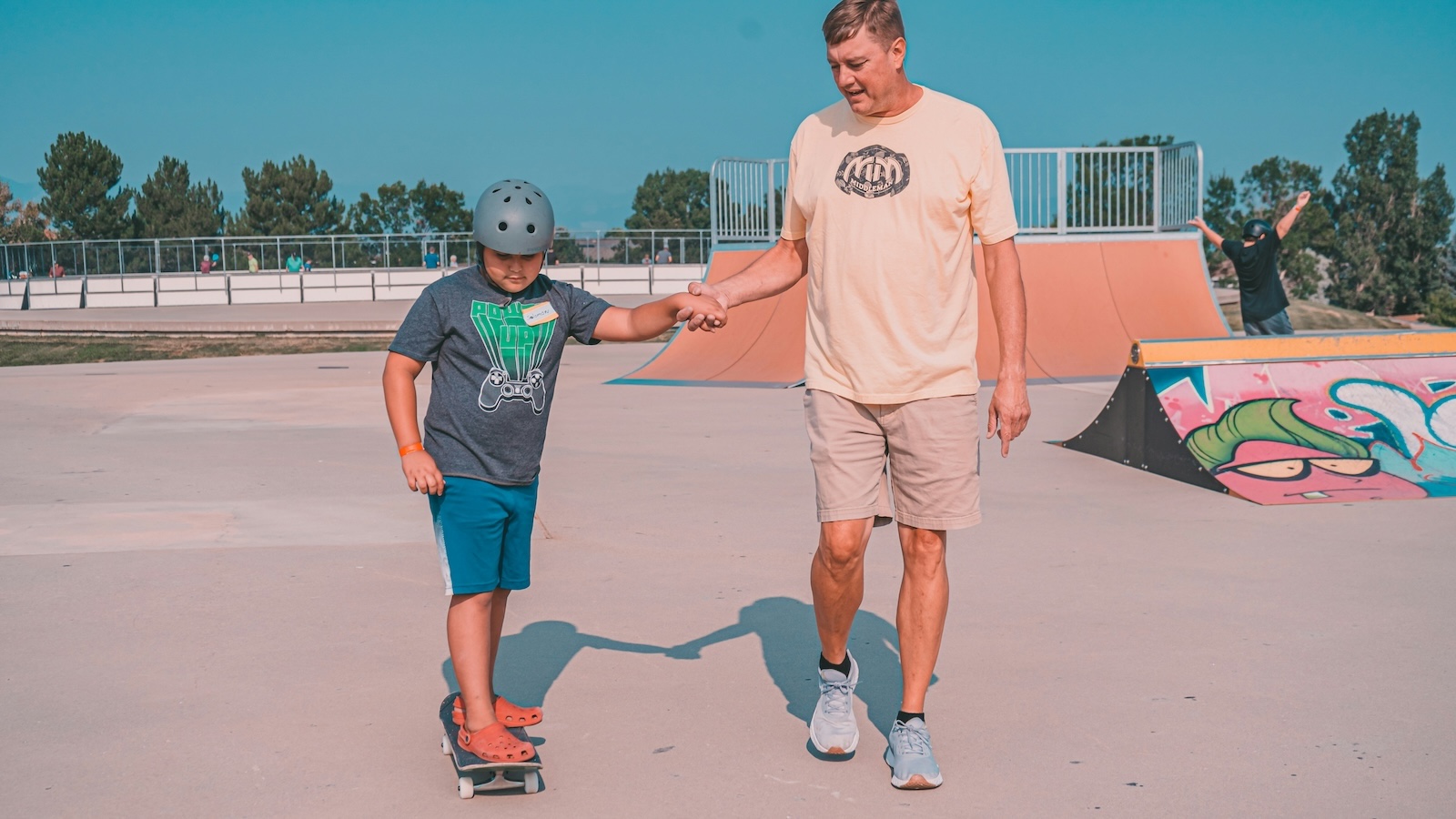
A child who feels nervous about skateboarding does not need to begin by riding across a large skatepark. The first adventure might simply involve learning about the equipment, wearing protective gear, or standing on a stationary board with appropriate adult supervision.
From there, children can progress toward practising balance, understanding how the board moves, and developing basic control in a suitable learning environment.
Structured instruction can make this process more approachable. A supportive instructor can demonstrate each movement, explain how to practise safely, and adapt activities to a child’s ability and comfort level. Children also get opportunities to see that mistakes are a normal part of learning rather than a reason to stop trying.
For Sacramento families exploring this activity, GOSKATE programs offer a starting point for finding skateboard lessons. Parents can look for instruction that emphasizes beginner skills, protective equipment, age-appropriate challenges, and steady progress rather than speed or performance.
It is important to provide properly fitted protective equipment, including a helmet and wrist, elbow, and knee protection. Beginners should practise in an appropriate area away from traffic, under suitable supervision, and with instruction matched to their abilities.
Parents should also avoid comparing their child’s progress with that of other beginners. One child might feel comfortable rolling after a few sessions, while another needs more time to become familiar with the board.
The confidence-building lesson is the same either way: learning something unfamiliar becomes easier when children can practise one manageable skill at a time.
3. Build Confidence in Water Through Small Steps
Water activities offer another opportunity for children to develop confidence while learning a valuable life skill. However, a child who feels uncertain around water should never be rushed into swimming or encouraged to ignore their fears.
Start by finding out what makes the experience uncomfortable. Is your child worried about putting their face in the water? Are they unfamiliar with the pool environment? Do they feel nervous about being separated from a parent?
Understanding the concern helps you choose an appropriate first step.
For one child, that step might be visiting the pool and observing a lesson. Another might feel ready to sit at the edge with a supervising adult, splash their hands, or practise blowing bubbles in shallow water when appropriate. More advanced skills should be introduced only when the child is ready and supported by a qualified instructor.
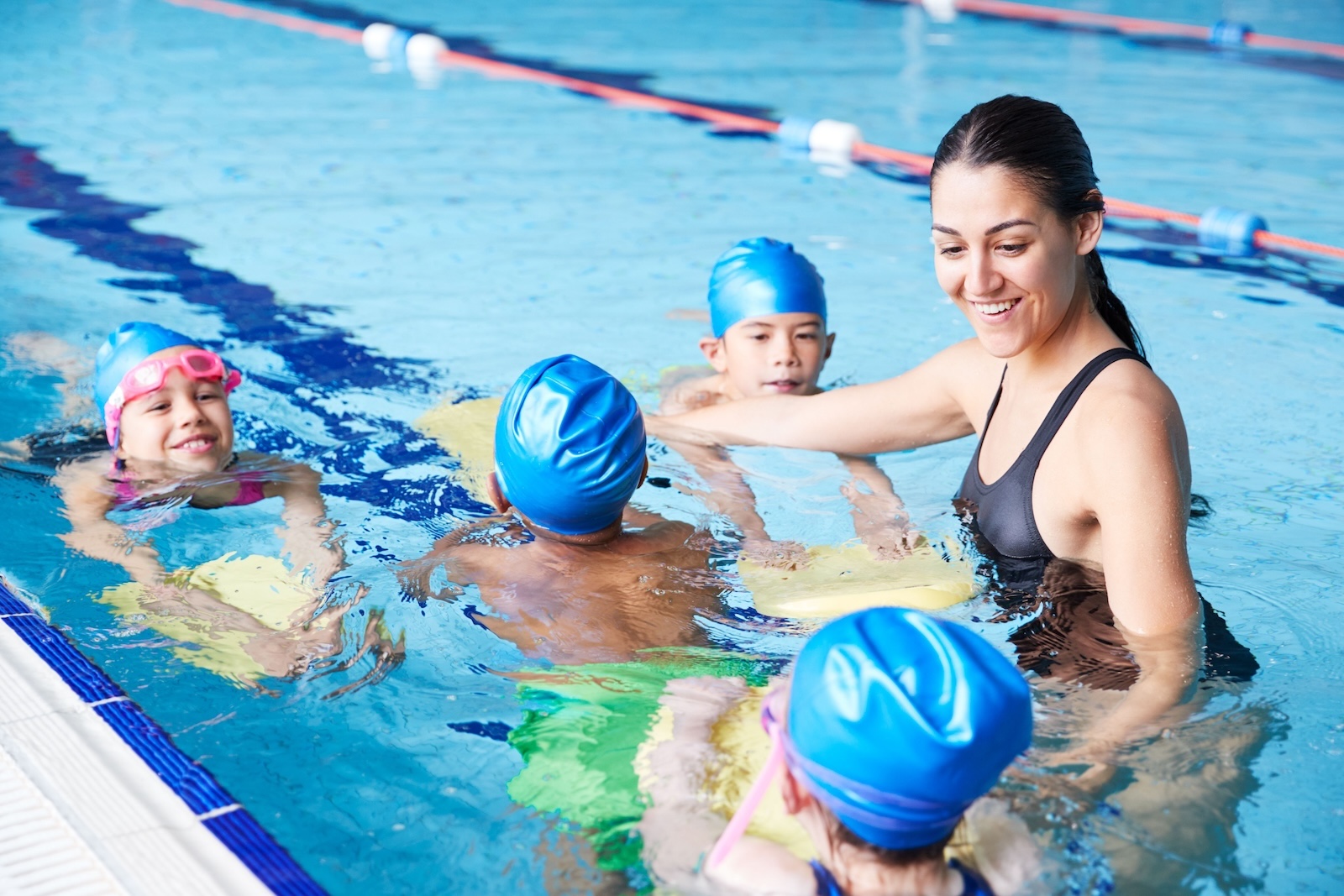
Professional instruction can help children develop water familiarity, learn basic swimming movements, and gradually build their abilities in a structured environment. Lessons should match the child’s age, development, and current skill level.
Sacramento parents looking for suitable instruction can explore age-appropriate swimming lessons as a starting point when considering local options.
It is essential to remember that swimming lessons do not make a child drown-proof. Children require close, constant supervision around water, and appropriate barriers and safety measures remain necessary. Parents should follow the instructor’s guidance and avoid practising skills beyond the child’s ability.
Progress may be gradual. A child who once refused to enter the pool might eventually feel comfortable participating in a lesson. That growing willingness to engage is meaningful, even before they master a particular swimming skill.
The objective is to help children associate learning with support, patience, and achievable progress.
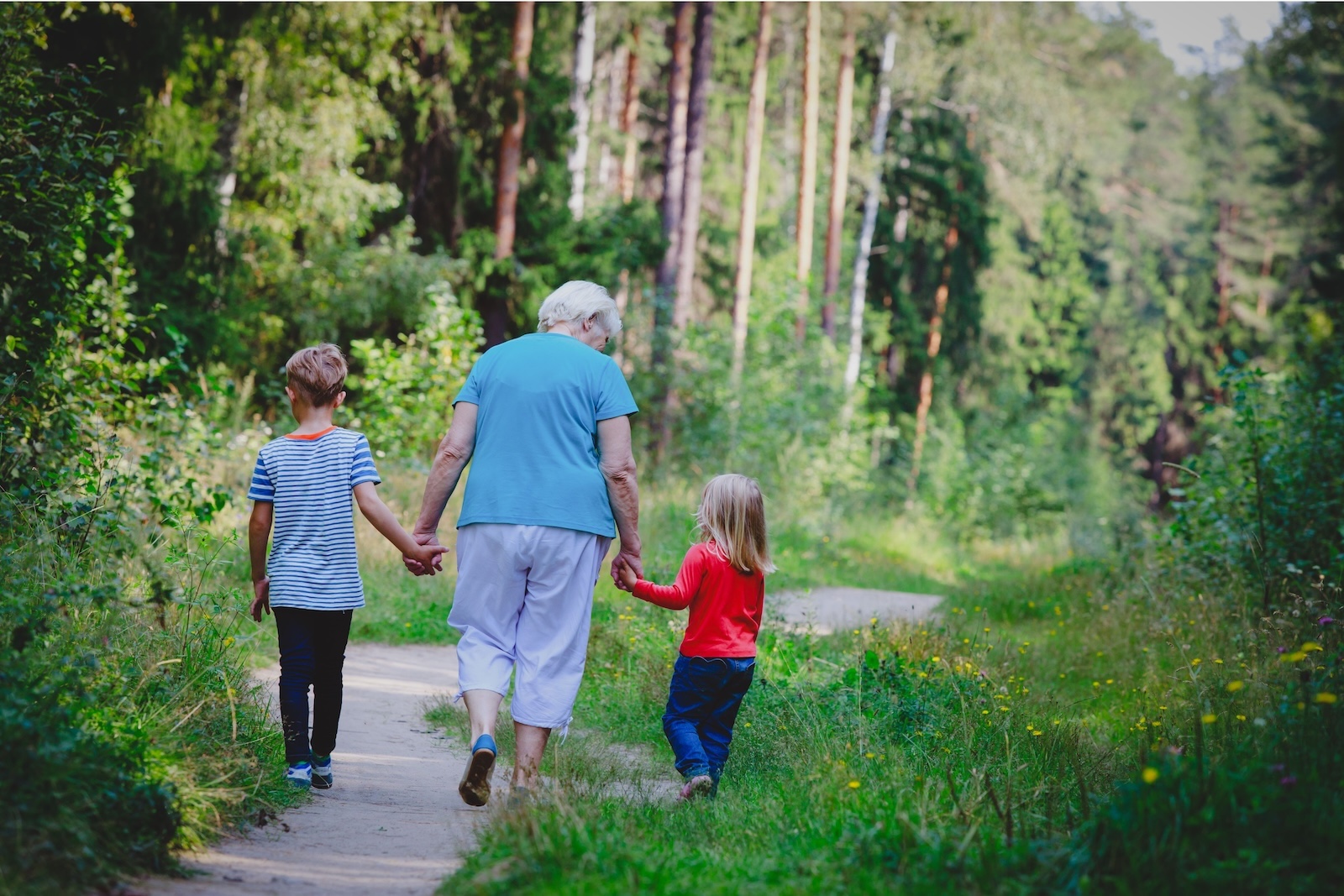
4. Go on a Nature Walk with a Mission
A nature walk can feel more inviting to a hesitant child when it includes a simple purpose. Instead of asking children to walk a long trail or explore an unfamiliar park without a plan, turn the outing into a small discovery adventure.
Create a list of things to find: a feather, an unusually shaped leaf, three different textures, or the sound of a bird. Younger children might enjoy searching for objects of different colors, while older children could photograph interesting plants or map a short route.
Let your child choose some of the items on the list. This makes the activity feel collaborative rather than like another task assigned by an adult.
You can also introduce one small challenge, such as following a marked trail to a picnic spot or leading the family along a familiar path. If your child is uncomfortable taking the lead, offer to walk beside them.
Nature walks encourage observation, decision-making, and curiosity without requiring children to perform in front of a group. They also provide opportunities to talk about uncertainty in a relaxed setting.
If your child becomes tired or overwhelmed, shorten the outing. A successful 15-minute walk may be more valuable than a longer trip that leaves them feeling pressured.

5. Try a New Game with Just One Other Person
For children who feel uncomfortable in groups, team sports or large playground games may initially seem overwhelming. A smaller social setting can provide a gentler introduction.
Choose a simple activity that your child already finds interesting. You might roll a ball back and forth, practise throwing beanbags into a target, play badminton in the yard, or take turns shooting a basketball into a low hoop.
Keep the first session short and informal. The goal is to enjoy the activity together rather than achieve a particular score.
Once your child becomes comfortable, invite a trusted friend or family member to join. Explain the plan beforehand so the additional person does not come as a surprise.
You can gradually introduce new rules, cooperative challenges, or more participants as your child becomes ready. For example, two children could work together to complete ten successful passes rather than compete to see who scores the most points.
This approach helps children practise taking turns, communicating, and responding to small setbacks. It also shows them that participating in an activity does not require being the best player.
If a child makes a mistake, avoid immediately correcting every movement. Give them room to experiment and discover their own solutions.

6. Let Your Child Be the Guide for a Day
Confidence can grow when children have opportunities to make decisions and see those decisions through. A small family adventure can provide exactly that experience.
Let your child plan a short outing by choosing between two or three suitable options. They might select a park, decide which playground equipment to explore, or choose the route for a family walk.
For older children, the planning can involve checking a map, packing a small bag, or creating a list of items needed for the trip.
Keep the responsibility appropriate to the child’s age. Younger children may simply choose the order of activities, while older children can take on more planning with adult guidance.
During the outing, resist the urge to take over every time something unexpected happens. If a chosen path is closed, ask your child to help identify an alternative. If they forget an item, discuss what could be done differently next time.
These moments allow children to practise flexible thinking without facing serious consequences.
The purpose is not to make children responsible for everything. Adults should continue to manage safety and important decisions. Instead, children should have opportunities to experience the satisfaction of contributing ideas and solving manageable problems.
A child who feels hesitant about trying unfamiliar activities may benefit from discovering that their choices and ideas have value.

7. Choose One New Experience Together Each Month
Building confidence does not have to mean constantly introducing new activities. Children often benefit more from repeated opportunities to practise than from a packed schedule of unfamiliar experiences.
Consider choosing one small family adventure each month. It could involve visiting a new playground, trying a beginner dance class, learning to ride a bicycle, exploring a different walking trail, or attending a children’s workshop.
Before the activity, explain what to expect. Show your child pictures of the location if possible, describe how long you plan to stay, and discuss what they can do if they feel uncomfortable.
Give them a voice in deciding how to participate. They may want to watch for a while before joining, bring a familiar item, or begin with the easiest part of the activity.
Afterward, talk about the experience without turning it into a test. Ask questions such as, “What was your favorite part?” or “Was anything easier than you expected?”
If the outing does not go as planned, treat it as information rather than failure. Perhaps the environment was too noisy, the group was too large, or the activity required skills your child has not developed yet. You can use that information to make the next experience more comfortable.
The aim is to build a history of manageable experiences that gradually expands your child’s sense of what feels possible.
How Parents Can Make Every Adventure More Comfortable
The activity itself matters, but the way adults introduce and support it can make a significant difference.
Acknowledge hesitation without dismissing it. Instead of saying, “There’s nothing to be scared of,” try, “I can see that this feels unfamiliar. We can take it one step at a time.” This shows your child that their feelings are understood.
Focus on effort rather than natural ability. Comments such as “You kept practising” or “You asked for help when you needed it” recognize actions your child can repeat and build upon.
Avoid comparisons. Siblings, classmates, and friends may learn at different rates. Comparing children can make a manageable challenge feel like a competition they did not choose.
Offer choices within safe boundaries. A child might choose whether to begin with a short walk or a simple balancing game. Giving them reasonable options can help them feel more involved in the process.
Know when to pause. Encouragement should not become pressure. If your child is overwhelmed, take a break, simplify the task, or try again another day. Persistent or intense anxiety that interferes with everyday life may warrant advice from a qualified child-development or mental-health professional.
Most importantly, remember that confidence does not mean never feeling nervous. A confident child can still feel uncertain, ask questions, or decide that an activity is not for them.
Small Adventures Can Lead to Lasting Confidence
Helping a shy child try new things is not about changing their personality. It is about giving them opportunities to discover their interests, practise useful skills, and learn that unfamiliar experiences can become more comfortable with time.
A backyard obstacle course, a beginner skateboarding lesson, a gentle introduction to swimming, or a family nature walk may seem like a small event. Yet each experience can give a child a chance to make a decision, work through uncertainty, and recognize their own progress.
Parents do not need to eliminate every obstacle or provide constant reassurance. They can offer a safe environment, patient guidance, and challenges that are difficult enough to encourage growth without becoming overwhelming.
Some children will take their first steps quickly. Others will need several opportunities before they feel ready. Both paths are perfectly valid.
The real achievement is not how many adventures a child completes. It is the growing belief that they can explore at their own pace, learn from mistakes, and take another small step when they feel ready.