Gifting Fine Jewelry to Loved Ones: How to Choose a Gift That Lasts

To gift fine jewelry well, start with the person’s everyday style, set a budget before you shop, choose a durable metal such as 14k gold or platinum, and pick a piece that carries personal meaning. Buy from a reputable jeweler with a clear return policy and certification for any significant gemstone.
Fine jewelry is one of the few gifts people keep for decades. A watch, a pair of earrings, or a simple pendant can end up marking a milestone, and some pieces get passed down to the next generation. That staying power is why jewelry feels so special to give, and also why it can feel intimidating to buy.
This guide walks through what counts as fine jewelry, how to match a piece to the person, what to know about metals and gemstones, and how to avoid the mistakes that make gift-givers nervous.
What Is Fine Jewelry?
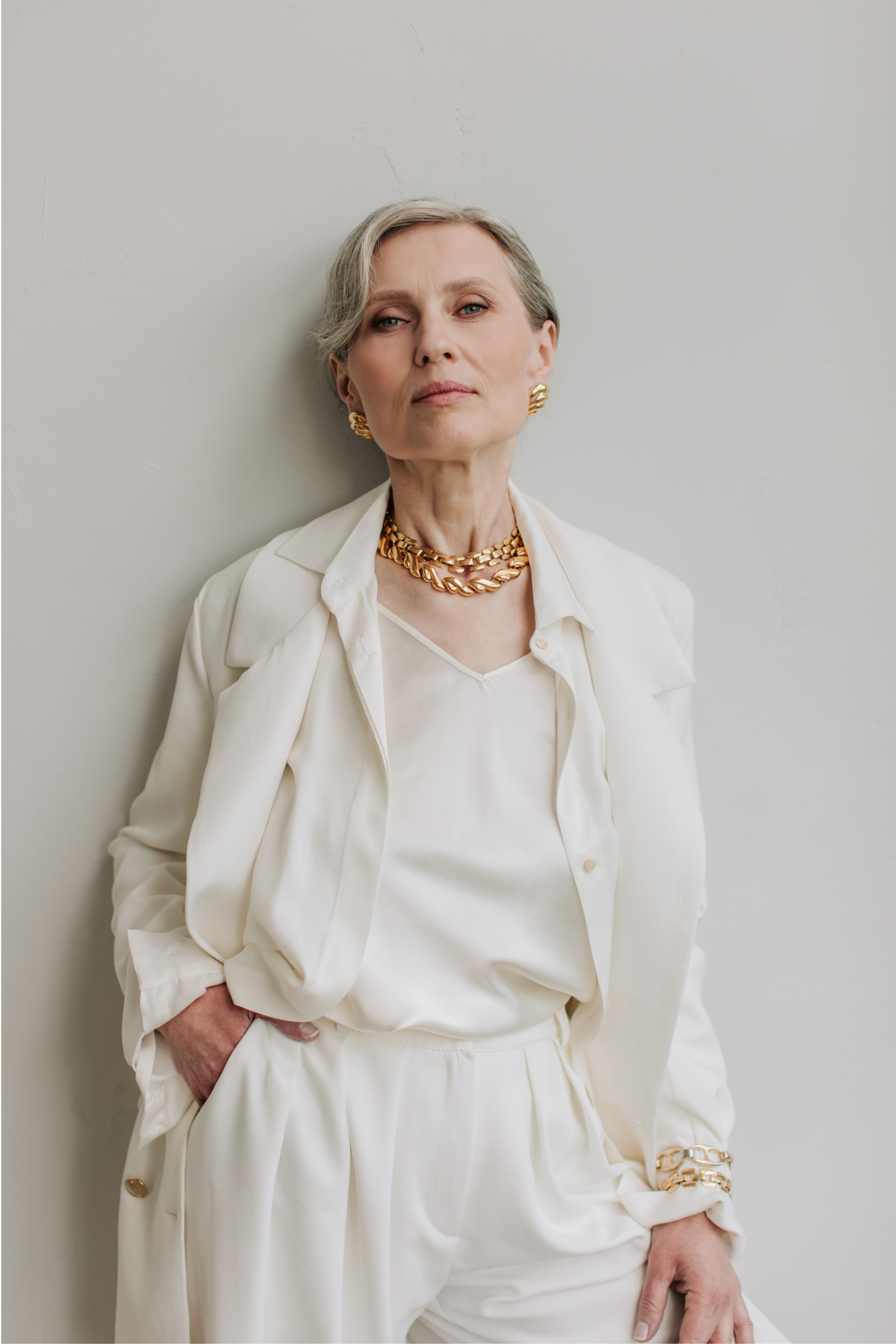
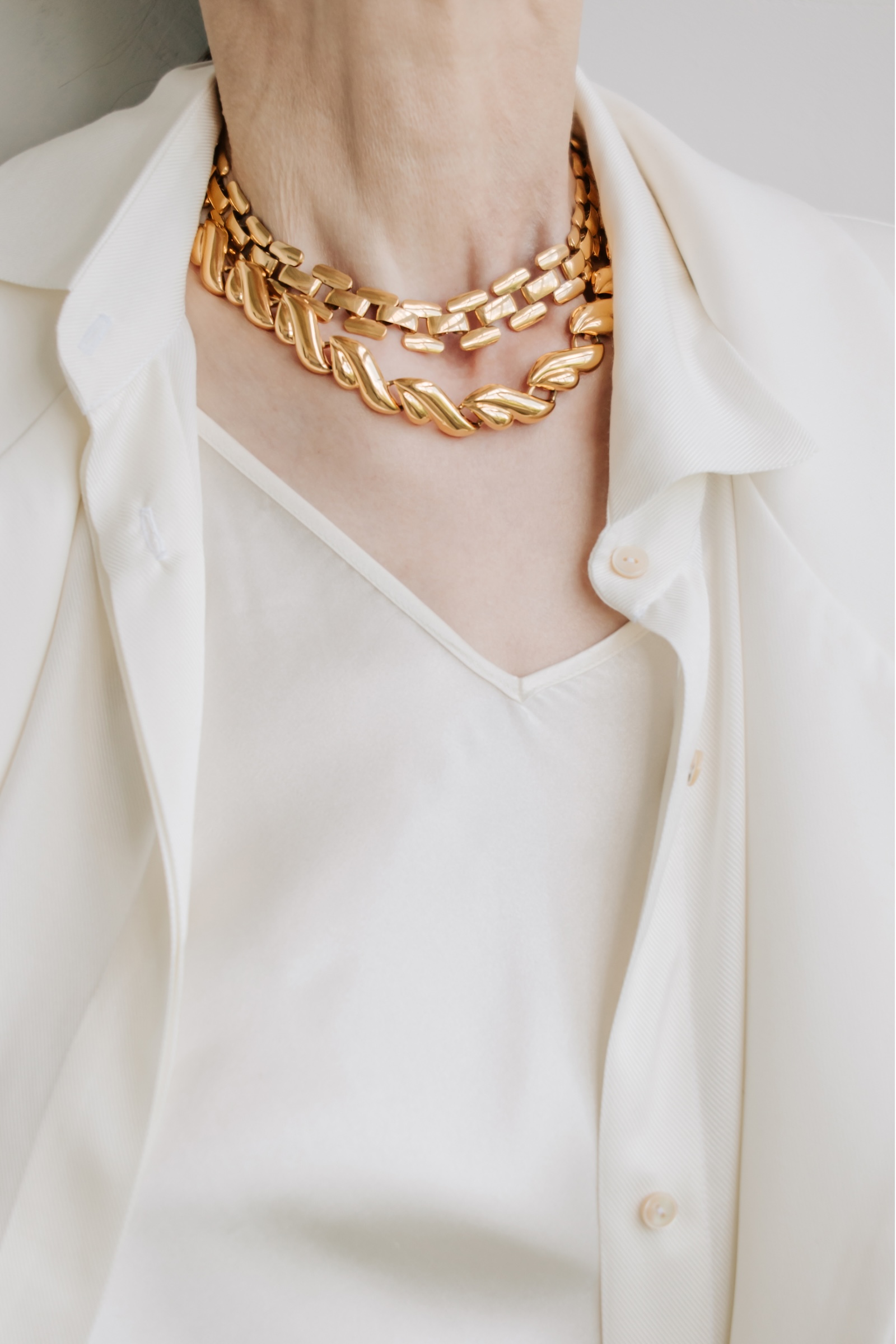
Fine jewelry is made from precious metals and genuine gemstones. That usually means gold (typically 10k, 14k, or 18k), platinum, or sterling silver, set with natural or lab-grown diamonds and gems.
It differs from costume jewelry in a few ways:
- Materials: Costume pieces use base metals and glass or synthetic stones. Fine jewelry uses precious metals and real gemstones.
- Durability: Solid gold and platinum resist tarnish and can last for generations with basic care.
- Value: Fine jewelry often holds intrinsic material value, and many pieces can be resized, repaired, or reset.
- Skin comfort: Higher-karat gold and platinum are generally gentler on sensitive skin than plated or nickel-heavy alternatives.
Keep in mind that “gold plated” and “gold filled” are not the same as solid gold. If you are buying fine jewelry, check the listing or ask the jeweler about the metal and its karat marking.

Why Fine Jewelry Makes Such a Meaningful Gift
Most gifts get used up, outgrown, or forgotten. Jewelry sticks around and becomes tied to a memory: the birthday you gave it, the anniversary it celebrated, the day a daughter graduated.
Fine jewelry also works across relationships. You can give it to a spouse, a parent, a grandparent, a child, a close friend, or a sibling. The right piece says “I know you, and I wanted you to have something that lasts.”
Best Recipients and Occasions for Fine Jewelry Gifts
Fine jewelry suits wives and husbands, parents, children, and close friends, and it is most meaningful at milestones like anniversaries, birthdays, graduations, weddings, new babies, and holidays.
Best recipients
- Spouse or partner: Rings, pendants, and earrings are classic choices. Pick something that fits their daily style so it gets worn, not saved.
- Mom or grandmother: Birthstone pendants, pearl earrings, and engraved lockets carry sentimental weight, especially when they reflect the family.
- Daughter or granddaughter: A first pair of real stud earrings or a simple gold chain is a gift she can keep for life.
- Son or grandson: A signet ring, a quality watch, or a slim chain works well for graduations and early career milestones.
- Close friend or sibling: Delicate bracelets, small hoops, or a matching piece can mark a friendship milestone.
- Yourself: Treating yourself after a personal achievement is a perfectly good reason to buy.
Best occasions
- Anniversaries: Bands, bracelets, or a stone tied to the year you met or married.
- Birthdays: A birthstone piece feels personal without needing a big budget.
- Weddings and engagements: Beyond the ring itself, bridal party gifts like pearl earrings or a simple bracelet are popular.
- Graduations: A watch, chain, or ring marks the transition to a new chapter.
- Births and Mother’s Day: A pendant with a child’s birthstone or initial is a lasting keepsake.
- Retirement or promotions: An engraved watch or ring recognizes years of hard work.
- Holidays and Valentine’s Day: Studs, tennis bracelets, and layering necklaces are reliable options. Shop early so there is time for engraving and sizing.
How to Choose Fine Jewelry for Someone You Love
Step 1: Observe their style
Before you look at a single catalog, notice what they already wear. Do they prefer yellow gold, white metals, or rose gold? Are they a stud-earring person or a statement-earring person? Do they wear jewelry daily or only for special events?
A quick way to learn this without spoiling the surprise is to check their jewelry dish or box, or to ask a close friend or family member.
Step 2: Match the piece to the occasion
Different milestones call for different pieces. Here are common pairings:
- Anniversary: Bands, bracelets, or a pendant with a stone tied to the year or the relationship
- Birthday: Birthstone jewelry, a pair of earrings, or a small pendant
- Graduation: A classic watch, a simple chain, or a signet ring
- New baby or Mother’s Day: A pendant with children’s birthstones or initials
- Holidays: Stud earrings, tennis bracelets, or layering necklaces
- Retirement or major achievement: A watch or a piece with a personal inscription
Step 3: Set a budget first
Decide how much you are comfortable spending before you start browsing. A clear number keeps you from being upsold and helps a jeweler guide you to the best quality within your range.
Fine jewelry spans a very wide price range. Small gold studs and delicate chains sit at one end, while larger diamond pieces sit at the other. A well-made smaller piece is nearly always a better gift than a larger piece with weak craftsmanship.
Step 4: Choose a piece that fits their lifestyle
Think about how it will actually be worn. Someone who works with their hands, exercises often, or travels a lot may prefer low-profile pieces like studs, bands, or bezel-set stones that will not snag. Someone who dresses up more often might love a bold pendant or drop earrings.
Best Fine Jewelry Gift Ideas by Type
Necklaces and pendants
A pendant is one of the easiest fine jewelry gifts to get right because there is no sizing involved. Solitaire diamond pendants, initial charms, and birthstone pendants all work well. Adjustable chain lengths add flexibility.
Earrings
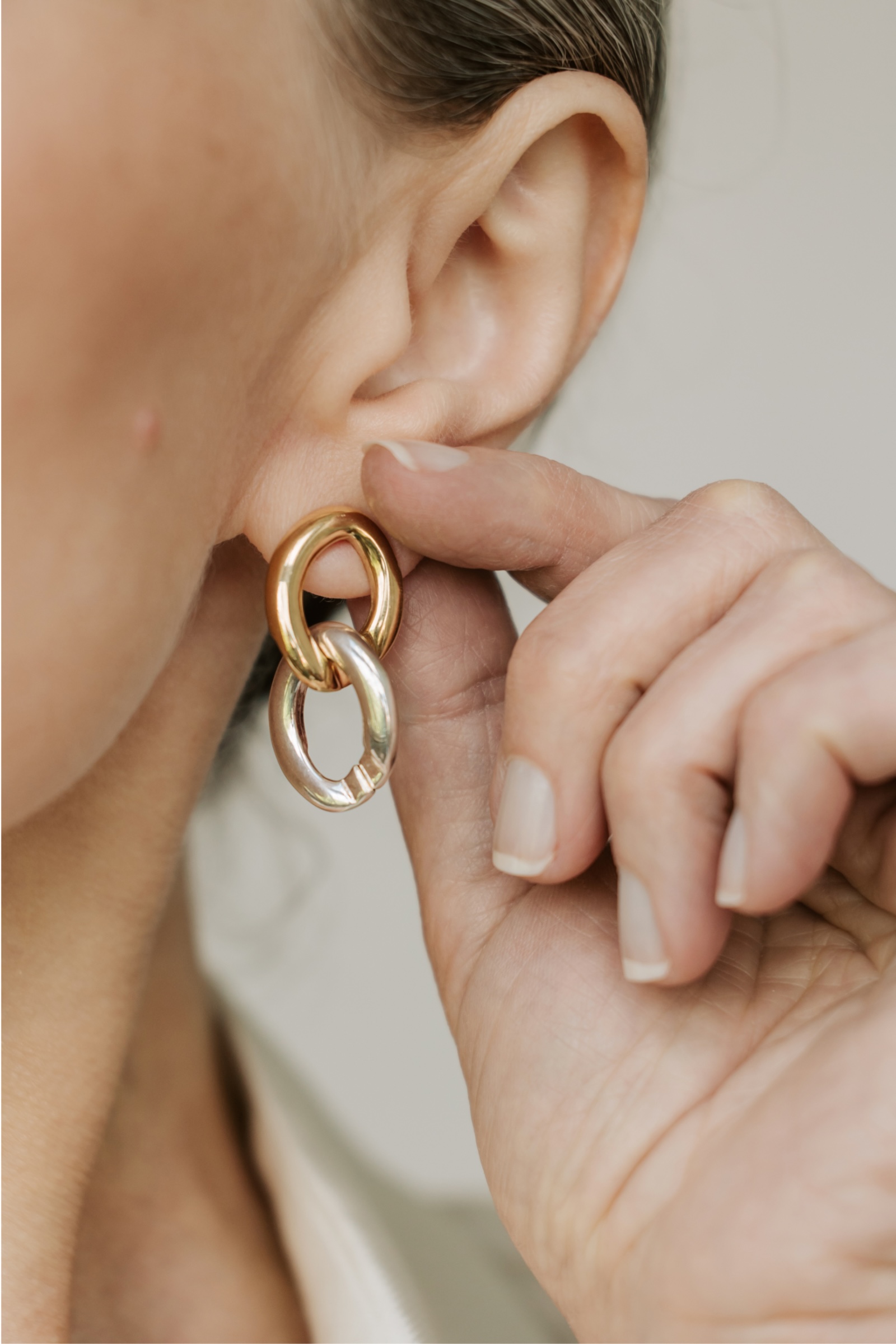
Studs are a safe, versatile choice because they suit nearly every style and age. Diamond studs, pearl studs, and gemstone studs are all popular. Hoops and huggies are a good option for someone who already leans that direction.
Bracelets
Tennis bracelets, bangles, and delicate chain bracelets are common gifts. If you are not sure about wrist size, choose a style with an adjustable clasp or extender chain.
Rings
Rings are the hardest to get right because of sizing. If you are not buying an engagement ring, stackable bands, signet rings, and gemstone rings are good choices. Ask the jeweler about resizing options and exchange policies before you buy.
Watches
A quality watch is a classic gift for milestones like graduation or retirement. Many people choose to engrave the case back with a short message or date.
Heirloom and personalized pieces
Engraved lockets, family birthstone jewelry, or reset stones from older jewelry can carry deep emotional weight. If you are working with an inherited stone, a reputable jeweler can explain safe ways to reuse it.
Understanding Metals: Which Is Best for a Gift?
| Metal | Best for | Things to know |
|---|---|---|
| 14k gold | Everyday wear | Good balance of durability, color, and cost |
| 18k gold | Special-occasion pieces | Richer color, slightly softer |
| 10k gold | Budget-conscious gifts | Very durable, lower gold content |
| Platinum | Sensitive skin, long-term wear | Dense, durable, usually priced higher |
| Sterling silver | Entry-level fine jewelry | Affordable, but needs polishing |
White gold, yellow gold, and rose gold are all the same underlying metal with different alloys. Color choice is mostly personal taste, so go with what the recipient already wears.
Understanding Gemstones and Diamond Quality
If you are buying a diamond, learn the 4Cs: cut, color, clarity, and carat weight. The Gemological Institute of America explains the standard framework in its guide to the GIA 4Cs of diamond quality. Of the four, cut has the biggest effect on how much a diamond sparkles, so it often deserves priority over size.
For colored gemstones, ask about:
- Whether the stone is natural, lab-created, or treated
- The type of setting and how securely the stone is held
- How hard the stone is, since softer stones such as opals and emeralds need more careful wear
You may also want to ask whether larger stones come with a grading report from an independent laboratory. The Gemological Institute of America is one widely recognized source for diamond and gemstone education and grading.
Birthstones as a personal touch
Birthstones add meaning without much extra cost. Garnet is associated with January, amethyst with February, and diamond with April, for example. A birthstone pendant or ring tells the recipient the gift was chosen just for them.
Natural vs. Lab-Grown Diamonds
Lab-grown diamonds have the same basic chemical composition as natural diamonds and are generally priced lower. Natural diamonds are formed in the earth and are often chosen for their rarity and traditional appeal.
Neither choice is wrong. What matters is that the seller labels the stone accurately and provides documentation. Think about what your loved one would value more: a larger stone for the money, or the origin story of a natural one.
Where to Buy: What to Look For in a Jeweler
Choosing a trustworthy seller matters as much as choosing the piece. Look for:
- Clear disclosure of metal type, karat, stone type, and any treatments
- Independent grading reports for significant diamonds and gemstones
- A fair return or exchange policy, especially for rings
- Professional credentials, such as membership in an organization like the American Gem Society or Jewelers of America
- Ethical sourcing practices. The Responsible Jewellery Council is one group that certifies members to standards for responsible business practices.
- Warranty and repair services for resizing, cleaning, and prong checks
In the United States, the Federal Trade Commission publishes guidance on how precious metals and gemstones may be described in advertising, which is a useful reference if a claim sounds too good to be true. You can find consumer information at FTC.gov.
How to Gift Fine Jewelry Without Getting the Size Wrong
Sizing is the most common worry, so here are practical ways to handle it:
- Choose sizeless pieces. Pendants, studs, and adjustable bracelets avoid the problem.
- Borrow a ring. Take one the person already wears on the same finger to the jeweler to match the size. You can also order a cheap ring sizer from Amazon to measure a ring.
- Ask for help. A friend or family member can often confirm sizes discreetly.
- Confirm the exchange policy. Ask whether resizing is free or discounted after purchase.
- Include a gift receipt. This gives the recipient flexibility if they prefer a different style.
How to Present the Gift
Presentation adds to the moment. A few ideas:
- Keep the original jewelry box and wrap it simply
- Add a handwritten note explaining why you chose the piece
- Mention a shared memory or what the gift represents
- Pick a private setting if the gift is especially personal
A short, sincere message usually means more than an elaborate display.
Caring for Fine Jewelry After It Is Given
Sharing care tips helps the gift last. Here are general guidelines:
- Store pieces separately in soft pouches or lined boxes to prevent scratches
- Remove jewelry before swimming, cleaning, or heavy exercise
- Clean gently with mild soap, warm water, and a soft brush, unless the jeweler advises otherwise
- Have prongs and clasps checked by a jeweler once a year
- Keep jewelry away from harsh chemicals, including chlorine and some perfumes
Always follow the specific care instructions for pearls, opals, emeralds, and other delicate stones.
Common Mistakes to Avoid
- Buying on a deadline without checking the return policy. Holiday shopping is busy, so confirm timelines early.
- Ignoring the recipient’s style. A beautiful piece they will never wear is a missed gift.
- Focusing on size over quality. Craftsmanship and cut matter more than carat weight.
- Skipping certification on major stones. Documentation protects your purchase.
- Forgetting about insurance. For higher-value pieces, ask the recipient to consider adding the item to a homeowner’s or renter’s policy or a jewelry rider.
Frequently Asked Questions
What is the best fine jewelry to give as a gift?
Pendants, stud earrings, and classic bracelets are the safest choices because they suit most styles and do not require precise sizing. Birthstone pieces add personal meaning.
How much should I spend on fine jewelry for a loved one?
Spend an amount that fits your budget and the significance of the occasion. There is no required number. A well-made, modest piece is better than a stretched purchase.
Is fine jewelry a good gift for a mom, wife, or daughter?
Yes. It works well for all three, especially when you tie the piece to a memory, a birthstone, or a family milestone.
What metal is best for fine jewelry gifts?
14k gold is a popular all-around choice for durability and value. Platinum is a strong option for sensitive skin and long-term wear.
How do I know if jewelry is real gold?
Look for karat stamps such as 10k, 14k, or 18k, and buy from a seller who discloses the metal clearly. A reputable jeweler can verify the metal if you are unsure.
Are lab-grown diamonds a good gift?
They can be. They offer the same look and hardness as natural diamonds at a lower price. Make sure the seller labels them accurately.
When should I buy jewelry for the holidays?
Start early. Shopping several weeks ahead leaves time for engraving, resizing, and shipping, and gives you more selection.
Final Thoughts
The best fine jewelry gifts are not the most expensive ones. They are the ones chosen with care: a piece that fits the person’s style, comes from a trustworthy seller, and carries a little meaning. Start with what you know about them, set a comfortable budget, and prioritize quality over size. When you hand it over with a few honest words, the gift will mean far more than the price tag suggests.