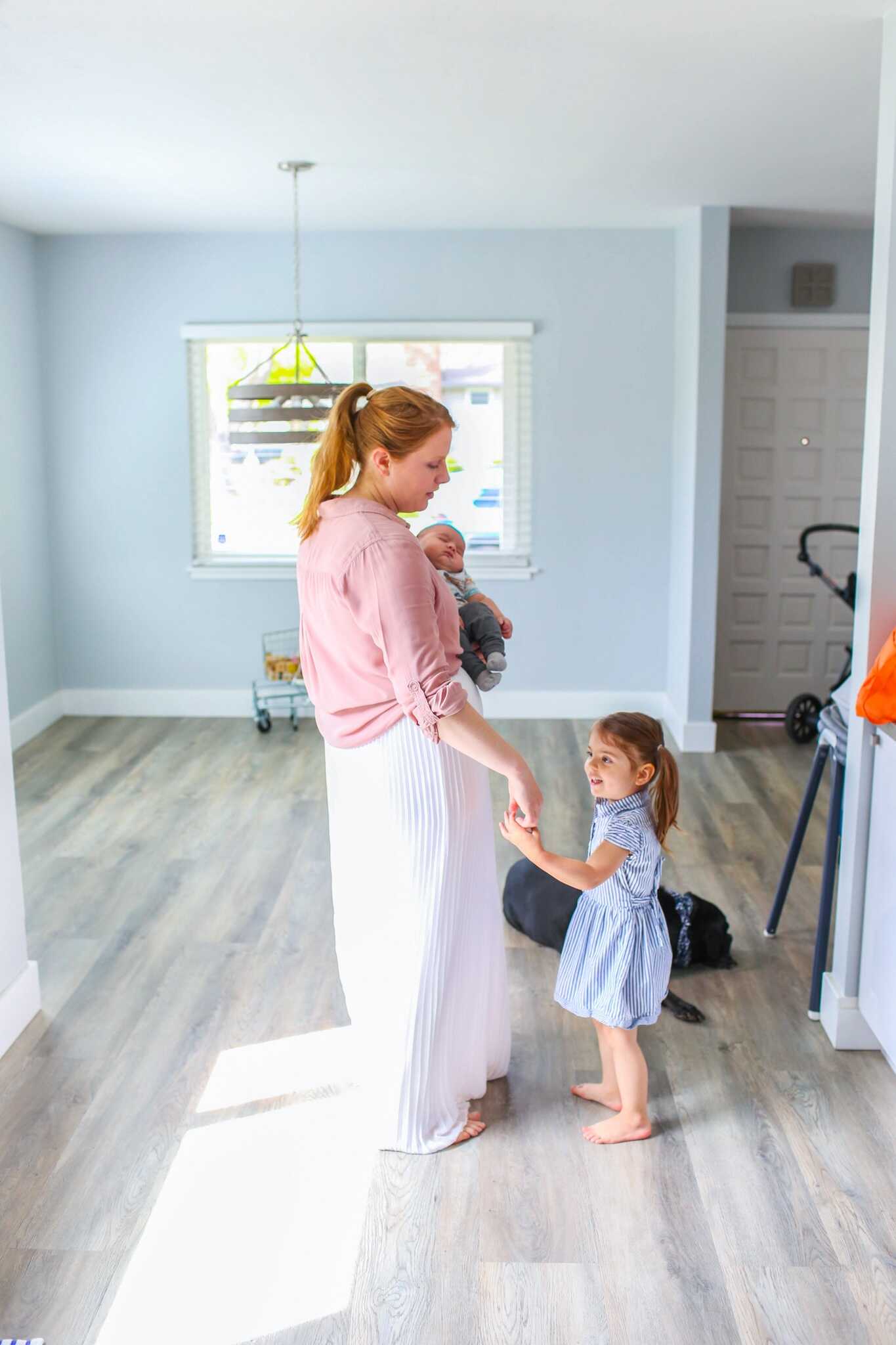
Intentional Planning for Moms: How to Create a Weekly Routine That Actually Works

If you’ve ever felt like your days are running you instead of the other way around, you’re not alone. Between school drop-offs, meal prep, work, laundry, and trying to squeeze in a moment for yourself, life can feel overwhelming fast. That’s where intentional planning comes in.
Intentional planning isn’t about cramming more into your schedule or disrupting your daily routine—it’s about creating a life that actually feels good to live. It’s about choosing what matters most and building your week around those priorities so your time reflects your values.
In this guide, I’m sharing exactly how to use intentional planning to create a weekly routine that truly works for busy moms.
What Is Intentional Planning?
Intentional planning is the process of organizing your time, energy, and priorities with purpose. Instead of reacting to your week, you proactively design it.
It’s less about perfection and more about alignment.
With intentional planning, you:
- Focus on what truly matters to your family
- Reduce decision fatigue
- Create structure without rigidity
- Build in rest, not just productivity
Think of it as planning your life with intention—not just filling up your calendar.
Why Intentional Planning Works for Moms
Moms carry a mental load that often goes unseen. From remembering snack day to managing doctor appointments, your brain is constantly juggling tasks.
Intentional planning helps lighten that load by:
1. Reducing Overwhelm
When everything has a place in your week, you stop feeling like you’re forgetting something.
2. Creating Predictability for Kids
Kids thrive on routines. A predictable weekly rhythm helps reduce meltdowns and transitions.
3. Giving You Back Mental Space
When your plan is clear, your brain can rest.
4. Helping You Prioritize Yourself
Intentional planning ensures that you aren’t last on your list.
Step 1: Define Your Priorities First
Before you create a weekly routine, you need clarity.
Ask yourself:
- What matters most to me right now?
- What kind of mom do I want to be this week?
- Where do I feel most overwhelmed?
Your answers might include:
- More quality time with your kids
- Less chaotic mornings
- Healthier meals
- Time for rest or exercise
Write down your top 3–5 priorities. These will guide your intentional planning.
Step 2: Brain Dump Everything
Next, get everything out of your head.
Grab a notebook or open your notes app and write down:
- Appointments
- School events
- Work tasks
- Household chores
- Meal ideas
- Errands
This step is crucial because intentional planning starts with awareness.
Once everything is visible, it’s easier to organize.
Step 3: Create a Weekly Rhythm (Not a Rigid Schedule)
Instead of assigning every minute, create theme days for your week.
This is one of the most effective intentional planning strategies for moms.
Example Weekly Rhythm:
- Monday: Laundry + Home Reset
- Tuesday: Errands + Appointments
- Wednesday: Work Focus Day
- Thursday: Cleaning + Prep
- Friday: Fun + Family Time
- Saturday: Family Adventures
- Sunday: Reset + Intentional Planning
This structure gives your week flow without feeling restrictive.
Step 4: Time Block Your Priorities
Now that you have your rhythm, start placing your priorities into your week.
Focus on:
- Morning routines
- Nap/quiet time productivity
- Evening wind-down routines
Example:
Morning Block
- Breakfast
- School drop-off
- Quick tidy
Midday Block
- Work or home tasks
- Meal prep
Afternoon Block
- Pick-up
- Snacks + downtime
Evening Block
- Dinner
- Family time
- Bedtime routine
Intentional planning works best when your day has predictable anchors.
Step 5: Plan Meals with Intention
Meal planning is one of the biggest stress reducers for moms.
Instead of deciding what to cook every night, assign themes:
- Monday: Pasta
- Tuesday: Tacos
- Wednesday: Slow Cooker
- Thursday: Leftovers
- Friday: Takeout or Pizza Night
This is a simple but powerful intentional planning habit that saves time and energy.
Step 6: Build in White Space
This is where most planning systems fail. You cannot schedule every second of your life—especially as a mom.
Leave open blocks in your week for:
- Unexpected events
- Rest
- Playtime
- Doing nothing (yes, really)
Intentional planning isn’t about being busy—it’s about being balanced.
Step 7: Create a Simple Planning System
You don’t need anything fancy.
Your intentional planning system can be:
- A paper planner
- A printable weekly sheet
- A notes app
- A wall calendar
The key is consistency.
What to include in your weekly plan:
- Top 3 priorities
- Appointments
- Meal plan
- To-do list by category
- One personal goal
Keep it simple so you’ll actually use it.
Step 8: Do a Weekly Reset
Set aside 20–30 minutes each week (Sunday works best for many moms) to reset.
During your reset:
- Review the past week
- Plan the upcoming week
- Prep meals or groceries
- Tidy key areas of your home
This is the foundation of successful intentional planning.
A Real-Life Example of Intentional Planning for Moms
Here’s what an intentionally planned week might look like:
Sunday Reset
- Plan week + grocery shop
Monday
- Laundry + simple dinner
Tuesday
- Appointments + errands
Wednesday
- Focused work block during nap time
Thursday
- Clean bathrooms + prep for weekend
Friday
- Movie night + pizza
Saturday
- Family outing
This kind of planning creates rhythm, reduces chaos, and gives your family something to rely on.
Common Mistakes to Avoid
Even with the best intentions, it’s easy to fall into these traps:
Overplanning
Trying to do too much leads to burnout.
Ignoring Your Energy Levels
Plan harder tasks when you have more energy.
Not Being Flexible
Life with kids is unpredictable—your plan should be adaptable.
Forgetting Yourself
You matter too. Always include something just for you.
How to Stay Consistent with Intentional Planning
Consistency is what turns planning into a lifestyle.
Here’s how to stick with it:
- Start small (don’t overhaul everything at once)
- Keep your system simple
- Adjust weekly based on what worked
- Give yourself grace
Remember, intentional planning is a tool—not a rulebook.
Intentional Planning Ideas for Busy Moms
If you’re short on time, try these quick wins:
- Lay out clothes the night before
- Prep lunches in batches
- Use a shared family calendar
- Set reminders for recurring tasks
- Keep a running grocery list
Small shifts create big results.
The Emotional Impact of Intentional Planning
Beyond productivity, intentional planning changes how your life feels.
You may notice:
- Less stress
- More presence with your kids
- Fewer rushed mornings
- A calmer home environment
When your week is planned with intention, you’re no longer just surviving—you’re actually living.
Final Thoughts: Create a Routine That Works for YOU
There’s no one-size-fits-all routine.
Your version of intentional planning should reflect:
- Your family’s needs
- Your energy levels
- Your season of life
Some weeks will feel smooth. Others will feel messy. That’s normal. What matters is that you’re showing up with intention. Because when you plan your life on purpose, you create space for what matters most—your family, your peace, and yourself.