
Can You Put Essential Oils in a Humidifier?
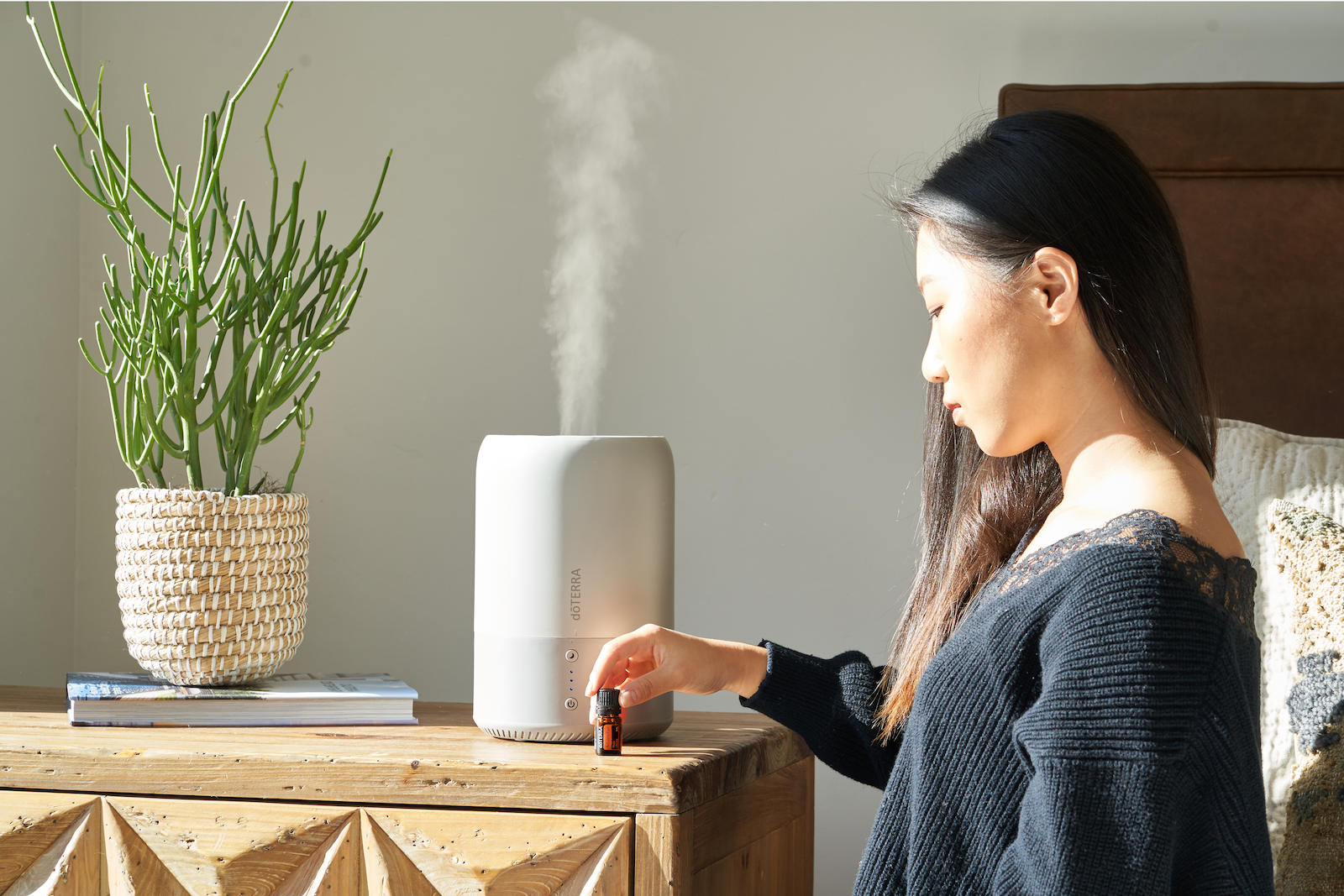
Quick answer: No, you should not put essential oils in a humidifier’s water tank unless the manufacturer says your model is made for it. Oil can damage the machine. If you want scent, use an essential oil diffuser or the aroma tray built into some humidifiers.
It’s an easy mistake to consider. The heater is running, everyone’s noses feel dry, and that little cloud of mist looks like it’s just waiting for a few drops of lavender. Before you open the bottle, here’s what to know to protect your humidifier and the people (and pets) breathing near it.
Why shouldn’t you put essential oils in a humidifier?
Essential oils don’t dissolve in water, and most humidifiers aren’t built to handle them. In an Apartment Therapy article on essential oils and humidifiers, a Homedics home environment director explains that adding oil to the reservoir risks damaging the product. She also notes that the oil sits on top of the water, so you may not even get the aroma you wanted.
Here’s what that can mean at home:
- Damaged parts. Oil can be hard on plastic components and filters.
- Stubborn residue. An oily film is harder to remove than plain water.
- Warranty trouble. Using the machine against its instructions may affect your coverage, so check the manual.
Humidifier vs. diffuser: what’s the difference?
A humidifier adds moisture to the air, while a diffuser spreads scent. They can look almost identical, which is why they’re so easy to mix up.
| Device | Main job | Can you add essential oil? |
|---|---|---|
| Humidifier | Adds moisture | Not to the water tank, unless the manual allows it |
| Humidifier with aroma tray or pad | Adds moisture and light scent | Yes, only in the tray or on the pad |
| Essential oil diffuser | Adds scent | Yes, following the maker’s directions |
What about ultrasonic humidifiers?
Some ultrasonic humidifiers are designed for essential oils, but “ultrasonic” alone doesn’t guarantee it. Look for clear wording in your manual or an aroma compartment on the unit. If you see neither, keep the oil out.
What if you already put essential oil in your humidifier?
Don’t panic, but do turn it off and clean it before using it again.
- Turn off and unplug the humidifier.
- Check the manual for cleaning directions and approved cleaners. Those come first.
- Empty the tank and base without letting water into the motor or electrical parts.
- Wash the oily areas with warm water and a drop of mild dish soap, if your manual allows it.
- Replace any filter or wick that absorbed oil.
- Rinse several times until you see no film and notice little or no scent.
- Let every part dry completely before reassembling.
If it leaks, makes new noises or stops misting properly, stop using it and contact the manufacturer.
How often should you clean a humidifier?
The EPA’s guide to home humidifier care advises emptying, drying and refilling portable humidifiers every day, and cleaning them every third day. It also recommends distilled or other low-mineral water to cut down on scale and white dust. Rinse well after using any cleaning product so it doesn’t end up in the air.
Safe ways to make your home smell good
- Use a diffuser made for essential oils, in a ventilated room, for short stretches.
- Use the aroma tray if your humidifier has one.
- Skip oils altogether with a pot of simmering orange slices and cinnamon sticks. Never leave it unattended, and keep pets and little hands away.
What are essential oils?
Essential oils are highly concentrated aromatic oils taken from plants, including flowers, herbs, fruit peels and trees. Most are made by steam distillation or, for many citrus oils, cold pressing. The National Cancer Institute’s overview of aromatherapy with essential oils notes that it takes about 220 pounds of lavender flowers to make about 1 pound of oil. A little goes a long way.
How are essential oils used?
- Diffusing: a diffuser releases the scent into the room.
- Inhaling: you breathe the aroma from a personal inhaler or a tissue.
- On the skin: oils are diluted first in a carrier oil, lotion or similar base, often for massage.
- In bath products: oils are properly blended into a product so they don’t float on the water undiluted.
Don’t swallow essential oils or apply them undiluted unless a qualified health professional tells you to.
Why do people use essential oils?
People mostly use them to relax, set a bedtime mood, feel refreshed or make the house smell nice. Aromatherapy is considered a complementary health approach, which means it can sit alongside medical care but shouldn’t replace it. Research on many health claims is still limited.
Common essential oils and what they’re like:
| Essential oil | Scent | Popular use | Good to know |
|---|---|---|---|
| Lavender | Soft, floral | Bedtime and relaxing | A common first oil, but skin reactions can still happen |
| Roman chamomile | Sweet, apple-like | Quiet evenings | Check first if you have ragweed-type allergies |
| Sweet orange | Bright, sweet citrus | Cheerful, family room scent | Citrus oils can be a concern for pets |
| Lemon | Crisp, clean | Freshening and homemade cleaners | Cold-pressed oil can make skin sun sensitive |
| Bergamot | Citrus with a floral note | Easing a stressful day | Some types can cause sun sensitivity on skin |
| Peppermint | Cool, minty | A wake-up scent | Use extra caution around young children and pets |
| Eucalyptus | Sharp, fresh | Winter “stuffy season” blends | Use extra caution around young children and pets |
| Tea tree | Medicinal, herbal | Skin and cleaning products | Never swallow; can be harmful to pets |
| Rosemary | Woody, herbal | Focus and hair care blends | Dilute well before skin use |
| Cedarwood | Warm, woody | Cozy evening blends | Pairs nicely with lavender |
| Frankincense | Warm, resinous | Calm and holiday blends | Pairs nicely with sweet orange |
Aromatherapy for the family
Family aromatherapy works best when it’s gentle, occasional and easy for anyone to walk away from. One person’s relaxing scent can be another person’s headache.
Simple ground rules
- Start with one oil and only a drop or two.
- Diffuse for short periods, such as 30 minutes, in a ventilated room with the door open.
- Keep the diffuser out of reach and away from faces, cribs and pet beds.
- Turn it off if anyone coughs, gets a headache, feels sick or seems bothered.
- Check with a doctor first if someone is pregnant or has asthma, allergies or another health condition.
Easy ways to fit it into family life
- Bedtime wind-down: for children two and up, try a little lavender before story time, then switch the diffuser off.
- Homework or work time: adults who enjoy a brighter scent can try sweet orange, as long as everyone in the room is comfortable.
- Parents’ quiet moment: after the kids are down, enjoy cedarwood or bergamot with a book, keeping pet safety in mind.
Before you start, read the safety notes below for children and pets.
Are essential oils safe around babies and kids?
It depends on the child’s age, health and the oil. The University of Minnesota’s aromatherapy guidance for children says it is safe for ages two and up when safety guidelines are followed. For babies and toddlers under two, or any child with asthma or breathing concerns, talk with your pediatrician before diffusing anything.
Store bottles up high and out of sight. Many oils smell like food, and a curious child may try to taste them.
Are essential oils safe around pets?
Some can be risky, so use caution. The ASPCA’s advice on essential oils and pets says brief diffuser use in an area your dog or cat can’t access is not likely to be a problem. Skip the diffuser if your pet has a history of breathing trouble, and avoid using one in a home with birds. Never apply concentrated oil to your pet.
Frequently asked questions
Can I put lavender oil in my humidifier to help with sleep?
Not in the water tank of a standard humidifier. Lavender is still an essential oil. Use a diffuser or an approved aroma tray instead.
Can I put peppermint or eucalyptus oil in a humidifier for a stuffy nose?
The same rule applies to the tank. These strong oils also deserve extra care around young children and pets, so ask your pediatrician or vet first.
Can I put a few drops near the mist outlet instead?
Only use spots the manufacturer designed for oil. Drops on the nozzle or housing can still leave residue on the plastic.
Is a humidifier and diffuser combo worth it?
It can be if you want both moisture and scent with one device on the counter. Check that it has a separate place for oil, and read the cleaning directions before you buy.
The bottom line
Keep your humidifier for water and your diffuser for oils, unless your manual clearly says one machine can do both. It’s a small habit that helps protect your humidifier and keeps your cozy winter routine simple.
This article is for general information and is not medical or veterinary advice.