Mental Health Apps: The Newest Options, What They Do Well, and Where They Fall Short

Do Mental Health Apps Actually Work?
Mental health apps can help with everyday stress, mild to moderate anxiety, low mood, poor sleep and habit building, and a small group of FDA-cleared apps can treat specific conditions when a clinician prescribes them. They do not replace a therapist, a psychiatrist or a crisis line. The strongest evidence sits with apps built on structured therapy, especially cognitive behavioral therapy (CBT).
The market has shifted fast. Several FDA-cleared prescription apps arrived in 2024 and 2025, and AI companions went mainstream. The well-known chatbot Woebot closed its consumer app in June 2025, with its founder pointing to the cost of FDA marketing authorization. States have started writing rules too. Illinois barred AI services from providing therapy without a licensed professional involved, and Nevada and Utah passed their own limits. In November 2025 the American Psychological Association (APA) issued a health advisory saying generative AI chatbots and wellness apps should not replace care from a qualified mental health professional.
This guide covers the newer mental health apps by focus, what each one does well, where each falls short, who should use them, what they cost, whether insurance pays, and what to do alongside them. Details are current as of November 2026. Prices and features change often, so check each app’s own page before you subscribe.
One note on the word newest. Some apps below launched between 2024 and 2026. Others, like Finch and How We Feel, are a few years older but still recent, and they fill categories where brand-new options are thin.
This article is general information, not medical advice. If you are in crisis in the US, call or text 988.
The Newest Mental Health Apps, Sorted by Focus
The apps below are grouped by what they are built to do. Prescription apps come first because they have the most formal evidence. AI and self-care apps come later, and they have the least.
Rejoyn: Best for Depression (Prescription)
Rejoyn, from Otsuka and Click Therapeutics, was cleared by the FDA in 2024 as the first prescription digital therapeutic for major depressive disorder.
Highlights: It is software with structured exercises that a clinician prescribes as an add-on to other treatment. It adds a clinically tested, app-based option for people already under care for depression.
Shortcomings: You need a prescription, and it is not a stand-alone treatment. In the trial, both the app group and the comparison group improved, and experts said cost and effectiveness still needed clarity. Insurance coverage can be hit or miss.
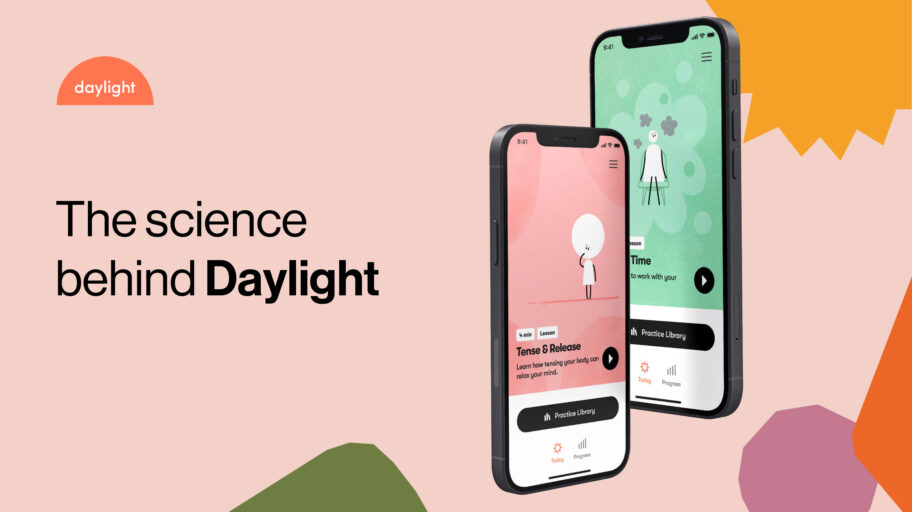
DaylightRx: Best for Generalized Anxiety (Prescription)
Big Health’s DaylightRx became the first FDA-cleared digital treatment for generalized anxiety disorder in September 2024. It is cleared for adults 22 and older as an add-on to usual care.
Highlights: It delivers CBT through short video and audio lessons that teach you to spot and change the thought and behavior patterns that keep worry going. Big Health reports that 71 percent of users in its trial improved clinically, though that figure comes from the company.
Shortcomings: It is prescription only and cleared specifically for generalized anxiety disorder, so it is not cleared for panic disorder, social anxiety or phobias. It asks for steady effort over several weeks, and it is not available to anyone under 22.
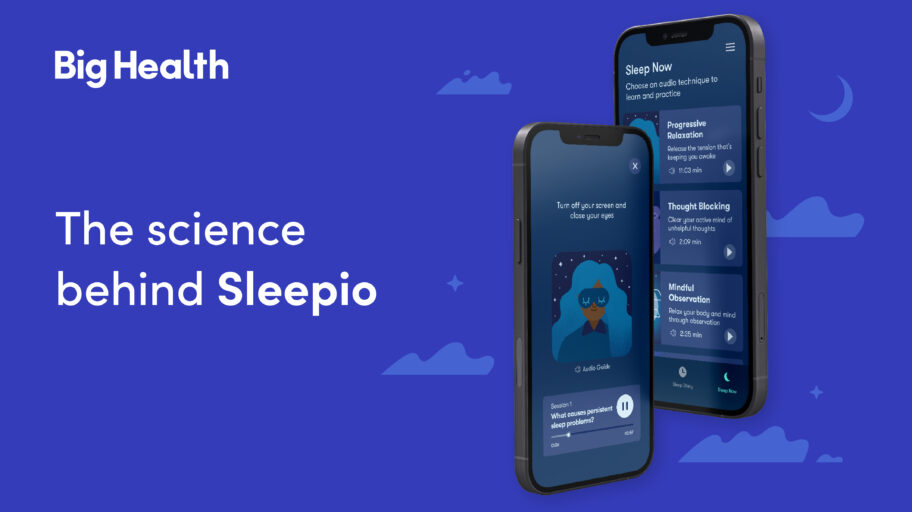
SleepioRx: Best for Insomnia (Prescription)
Cleared in August 2024, SleepioRx is a digital CBT for insomnia (CBT-I) program for adults 18 and older with insomnia disorder.
Highlights: CBT-I is the guideline-recommended first-line treatment for chronic insomnia, and SleepioRx delivers it in an app. Big Health reports that 76 percent of users in trials improved clinically, and its research page lists a JAMA study on people who have both insomnia and depression symptoms.
Shortcomings: It is prescription only and aimed at insomnia disorder, not the occasional bad night. CBT-I asks you to change sleep habits, including limiting time in bed, and that can feel rough in the first weeks.
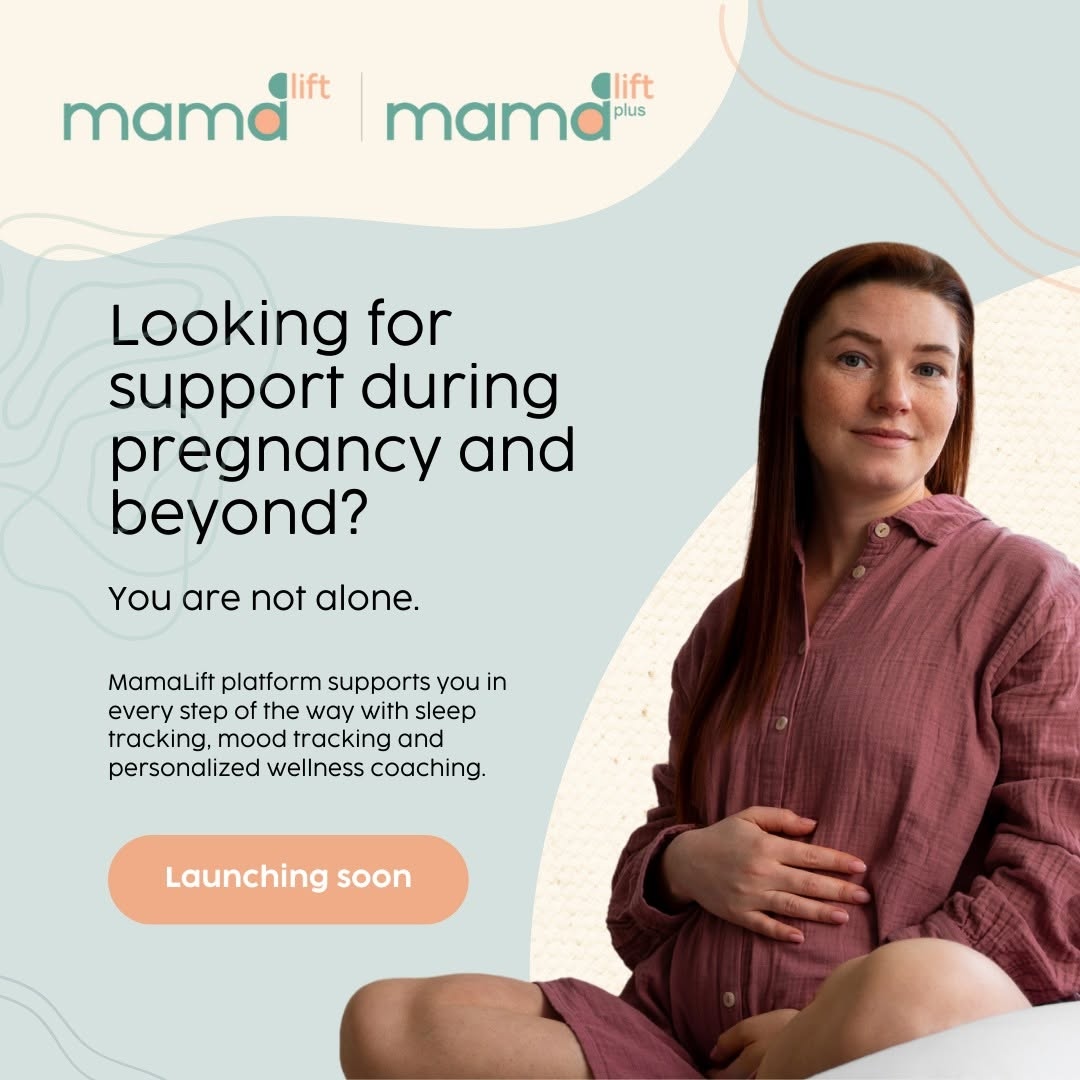
MamaLift Plus: Best for Postpartum Depression (Prescription)
Made by Curio Digital Therapeutics, MamaLift Plus is an FDA-cleared, eight-week prescription app for mild to moderate postpartum depression in women 22 and older.
Highlights: It combines CBT, behavioral activation, interpersonal therapy and dialectical behavior therapy skills. A randomized, sham-controlled trial appeared in the Journal of Medical Internet Research in 2025, which puts it ahead of most apps on evidence. It also includes screening, which matters because screening and referral rates for postpartum depression stay low.
Shortcomings: It requires a prescription, treats only mild to moderate symptoms and is meant to sit alongside clinician care. It is not for severe depression, thoughts of harming yourself or your baby, or postpartum psychosis. Those need immediate medical help.
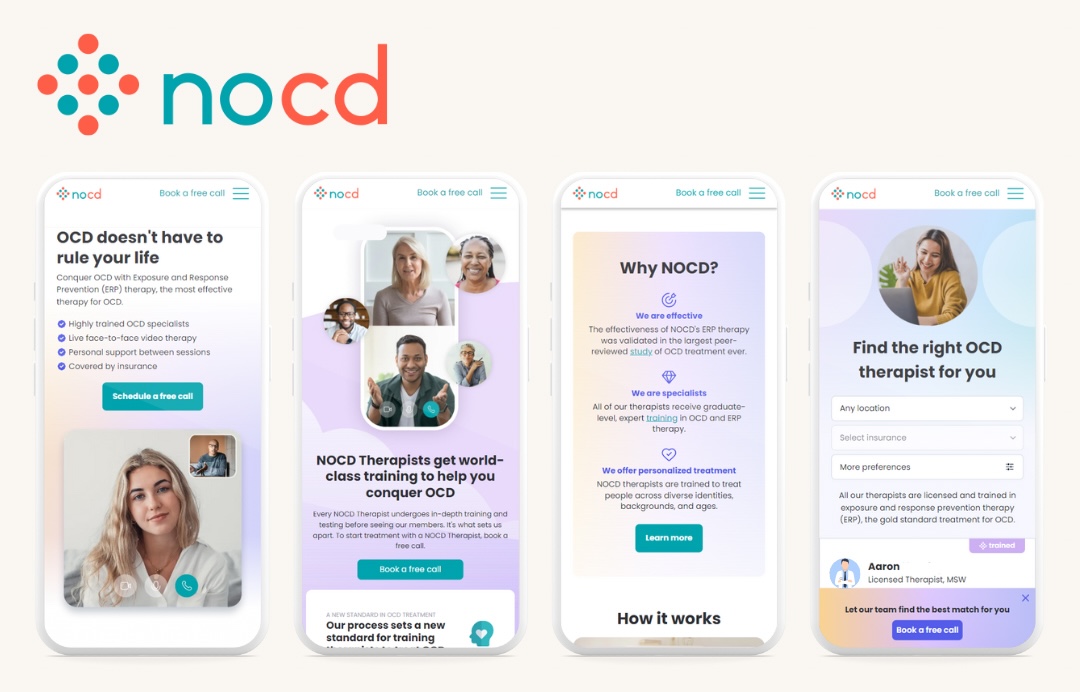
NOCD: Best for OCD (Therapy Sessions Plus App)
NOCD pairs live video therapy with an app. Members work with therapists trained in exposure and response prevention (ERP), the standard treatment for OCD. According to ChoosingTherapy, the service has more than 1,200 specialty-trained therapists and treats people ages 5 and up.
Highlights: The app includes self-guided ERP exercises, symptom check-ins, OCD education, in-the-moment guidance during an episode and a community feature. NOCD says members with in-network insurance pay a $14 copay on average. That is a company claim, so confirm it with your plan.
Shortcomings: It is a therapy service, so costs add up without insurance. NOCD’s own cost page puts standard ERP at $250 to $500 per session and says its prices run lower, and reviews list cash prices of roughly $170 to $210. Therapist fit varies, ERP is hard work because you face fears without doing your usual compulsions, and the service is OCD-only.
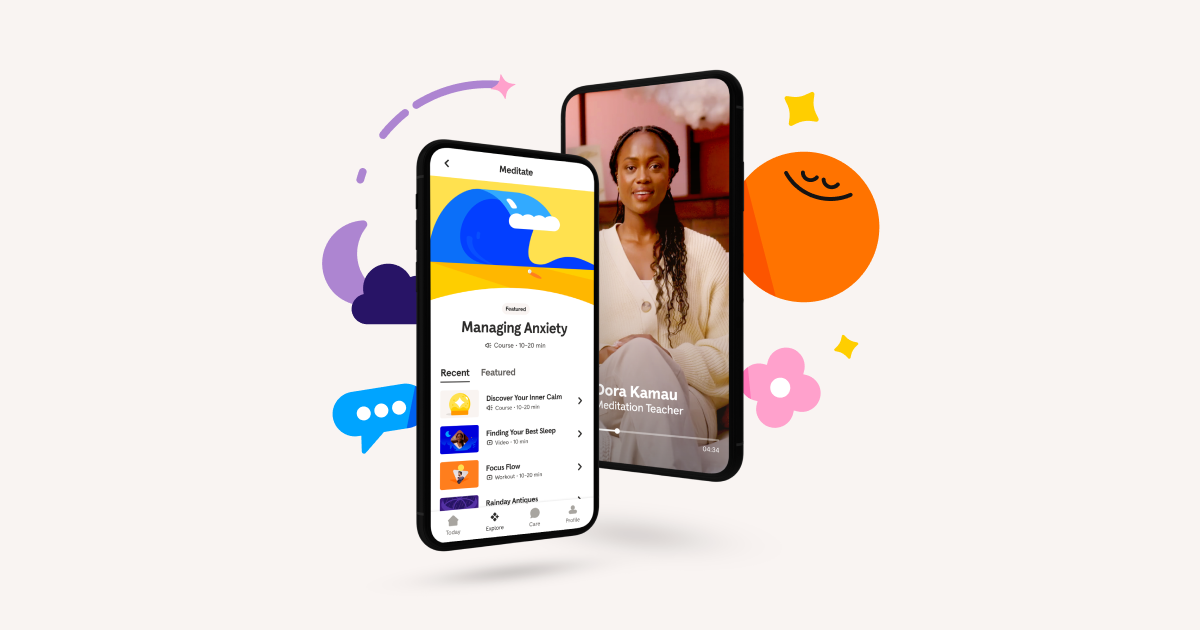
Headspace Ebb: Best for Everyday Stress and Meditation (AI Companion)
Headspace added Ebb, an AI companion, to its meditation app in October 2024 and rolled out a voice mode in December 2025. Headspace also sells Therapy by Headspace, a direct-to-consumer service with licensed therapists.
Highlights: Ebb uses motivational interviewing to help you reflect, then points you to meditations and exercises in the Headspace library. Headspace says the top topics are everyday stress, anxiety, sleep and relationship problems. It includes guardrails and crisis escalation pathways.
Shortcomings: Headspace states that Ebb is not an AI therapist and does not diagnose or treat. It is for members 18 and older with an active subscription, in English, in the US, UK, Canada and Australia. AI tools can respond in ways nobody planned, which is one reason the APA urges caution.
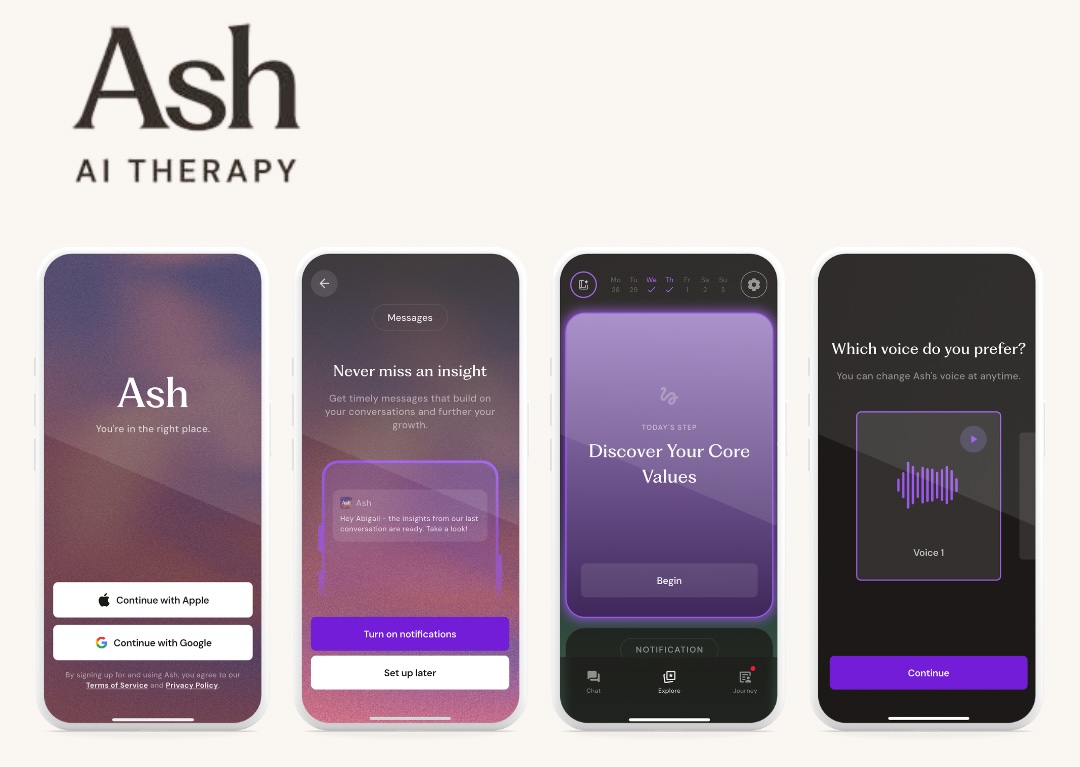
Ash: Best for AI-Guided Talk Support (Free)
Slingshot AI launched Ash in July 2025 as a free iOS and Android app, after 18 months of development with 50,000 beta users.
Highlights: It runs on a model built for psychology and trained on approaches including CBT, DBT, acceptance and commitment therapy and motivational interviewing. It remembers earlier conversations so you can pick up where you left off, and it lets you opt in or out of sharing conversation data for training.
Shortcomings: It markets itself as the first AI designed for therapy, which draws scrutiny from regulators and clinicians. A Stanford paper warned that AI therapy chatbots can be ineffective and dangerous, and the APA says even well-built generative AI tools lack enough evidence for mental health care. Use Ash as a place to think out loud, not as treatment.
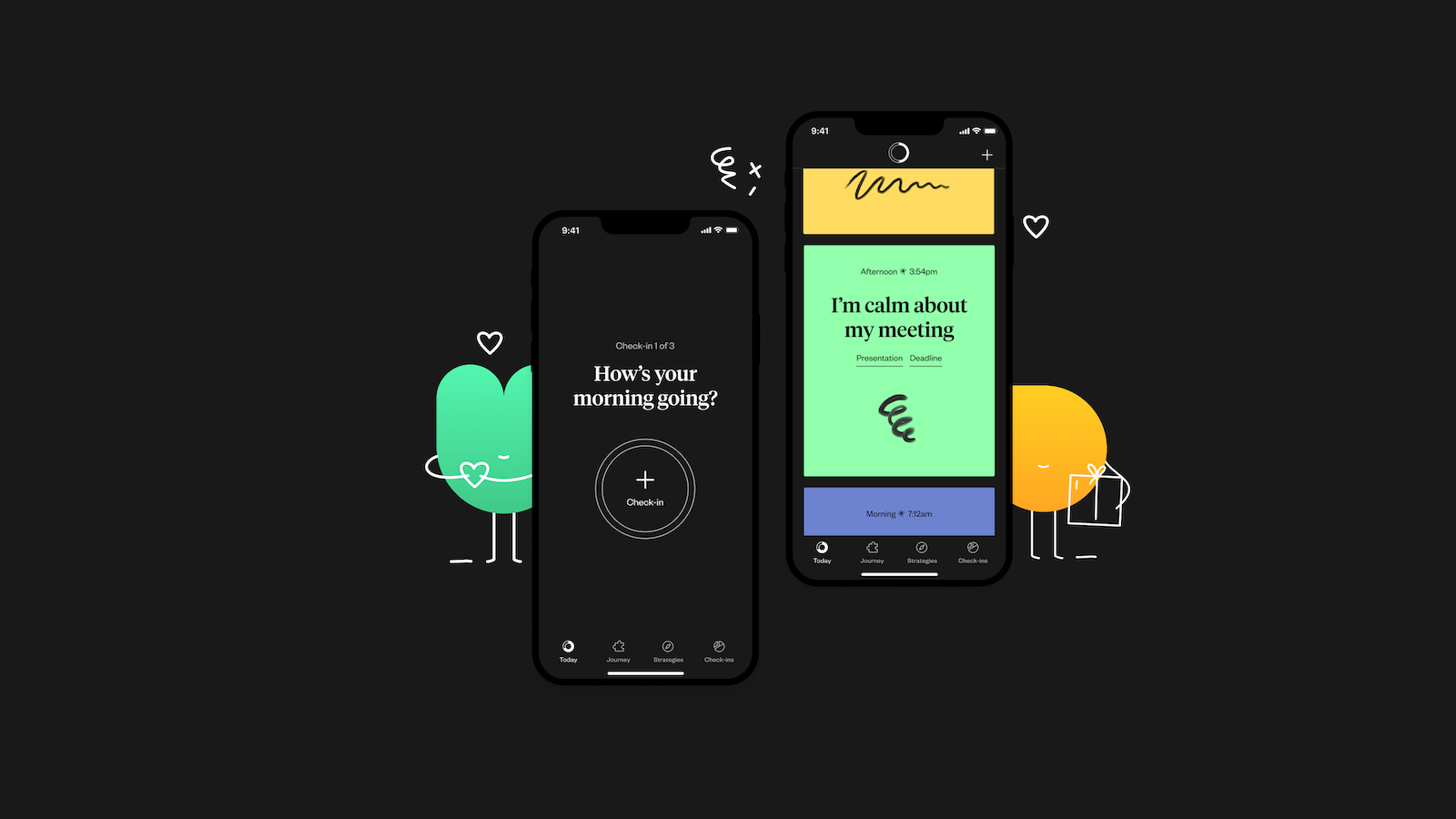
How We Feel: Best for Mood Tracking and Emotional Awareness (Free)
How We Feel comes from a nonprofit whose science team is led by Marc Brackett and colleagues at the Yale Center for Emotional Intelligence. Its creators say it is free on iOS and Android.
Highlights: You check in with a four-quadrant Mood Meter based on energy and pleasantness, choose from 144 emotion words, and tag factors like sleep and exercise. The app shows patterns over time and offers short, research-based strategy videos.
Shortcomings: It tracks and teaches. It does not treat, diagnose or connect you with a human, and it is not built for crisis support. The benefit depends on checking in regularly. If you notice a steady slide in your patterns, bring them to a clinician.
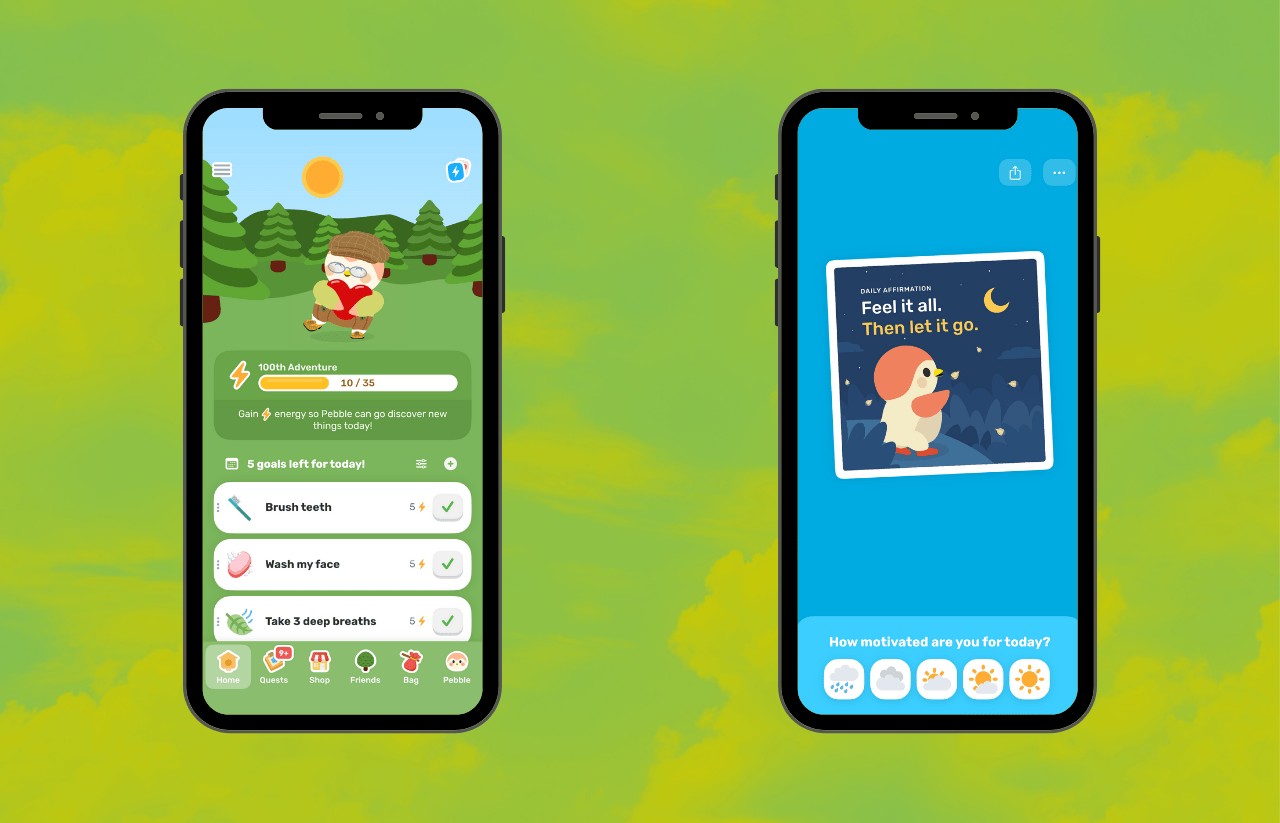
Finch: Best for Self-Care and Habit Building
Finch is a self-care app where you raise a virtual bird by finishing small daily goals. A 2026 review reports more than a million ratings on the App Store.
Highlights: Core features are free with no ads, including mood check-ins, journaling, habit tracking and guided breathing. The gentle, game-like design suits people who find self-care chores heavy. Mozilla’s 2023 privacy review found its practices reasonably acceptable.
Shortcomings: Finch Plus costs $9.99 a month or $69.99 a year, mostly for customization, and some Android users report higher prices. Some long-term users say a recent redesign put the shop ahead of the habit tools. It is a habit tool, not clinical care, and streaks can add pressure when you miss a day.
Newer Launches to Watch, With Caution
New AI wellness apps keep arriving. Launch announcements describe Vitally Therapy AI (June 2026), which uses live AI avatar video conversations, and Brain-Body Therapy (fall 2025), which blends counseling with exercise. Treat apps like these as unproven until independent research appears.
What About Bipolar Disorder and Other Mood Disorders?
Few new consumer apps are built for bipolar disorder or other complex mood conditions, and there is a reason for that. These conditions usually need clinician-led care, often with medication. A mood tracker like How We Feel can help you spot patterns to share with your care team, but an app should not be your main plan.
Mental Health Apps Compared at a Glance
| App | Main focus | Type | Typical cost | Prescription needed |
|---|---|---|---|---|
| Rejoyn | Depression | FDA-cleared digital therapeutic | Varies by plan and provider | Yes |
| DaylightRx | Generalized anxiety | FDA-cleared digital therapeutic | Varies by plan and provider | Yes |
| SleepioRx | Insomnia | FDA-cleared digital therapeutic | Varies by plan and provider | Yes |
| MamaLift Plus | Postpartum depression | FDA-cleared digital therapeutic | Varies by plan and provider | Yes |
| NOCD | OCD | Live therapy plus app | Free app tools; sessions billed to insurance or about $170 to $210 cash | No |
| Headspace Ebb | Stress, meditation, sleep | AI companion inside a meditation app | Included with a Headspace subscription | No |
| Ash | Talk support | AI chat app | Free at launch | No |
| How We Feel | Mood tracking | Nonprofit wellness app | Free | No |
| Finch | Self-care habits | Gamified wellness app | Free core; Plus $9.99 a month or $69.99 a year | No |
Who Mental Health Apps Are Good For, and Who Should Skip Them
Mental health apps work best as a first step or a daily support tool for people whose symptoms are mild to moderate and who are safe. They work worst as a solo plan for anyone in crisis or living with severe illness.
Good candidates
- People with everyday stress, mild to moderate anxiety or low mood who want skills to practice.
- People on a therapy waitlist, or who cannot afford weekly sessions right now.
- People already in therapy who want homework, mood tracking or a way to practice between sessions.
- People who feel more comfortable starting privately before they talk to someone.
- People with unpredictable schedules, rural locations or limited access to specialists.
- People building habits around sleep, journaling, movement or breathing.
- People whose clinician has prescribed an FDA-cleared app as part of a treatment plan.
Who should not rely on an app
- Anyone having thoughts of suicide or self-harm. Call or text 988, or go to the nearest emergency room.
- Anyone with signs of psychosis or mania, such as hearing voices, going days without sleep while feeling energized, or beliefs that feel unshakeable.
- People with severe depression, an eating disorder or an active substance use problem, who need clinician-led care.
- People working through trauma, which is best done with a trained therapist.
- New parents who have thoughts of harming themselves or their baby.
- Children and teens, unless the app is designed for their age and a parent or clinician is involved. Age limits matter: Ebb is for adults 18 and older, and the prescription apps above are cleared for adults 18 or 22 and older.
- Anyone who notices an app becoming their only source of support. The APA warns that these tools can foster unhealthy dependence.
A simple test: if your symptoms get worse, last more than a few weeks, or start to interfere with work, school, sleep or relationships, add a human professional.
How to Use Mental Health Apps to Improve Your Mental Health
Apps help most when you treat them as a tool inside a plan, not as the plan itself.
- Pick one goal and one app. Sleep, anxiety, mood tracking and self-care need different tools. Installing five apps usually ends with using none.
- Check the evidence first. Look for published trials, named clinicians and, for treatment claims, FDA clearance. A company’s own numbers are a start, not proof.
- Start small. Five to ten minutes a day beats an hour once a week. Attach the habit to something you already do, like morning coffee.
- Do the exercises. Reading about CBT skills helps less than filling in the thought record or finishing the lesson.
- Measure something. Track mood, sleep hours or a questionnaire your clinician uses, such as the PHQ-9 for depression or the GAD-7 for anxiety. Review your numbers after four to six weeks.
- Share it with a professional. Bring mood charts or sleep logs to appointments. Patterns are easier to read together.
- Use notifications on purpose. Turn on one reminder, not ten.
- Protect your privacy. Read the privacy settings, turn off data sharing you do not want, and link as few accounts as you can.
- Keep a plan for hard days. Save 988, a trusted friend’s number and your clinician’s contact information where you can find them fast.
- Switch when it stops helping. If you dread opening the app, feel worse, or see no change after a couple of months, try something different or add professional help.
Red Flags and Things to Avoid in Mental Health Apps
Skip any app that promises results it cannot back up. A newer quality signal is also worth watching for: in July 2026 APA Labs, part of the American Psychological Association, launched a Digital Badge Programme to help users and developers judge mental health apps.
- Cure or guarantee language. No app can promise to fix anxiety or depression.
- Claims to replace therapy, or posing as a licensed therapist. Illinois, Nevada and Utah now restrict this kind of marketing.
- No named clinicians, no studies, or only company-run studies. Ask who built it and who reviewed it.
- A vague privacy policy. Avoid apps that can share or sell health data for advertising. Mozilla’s Privacy Not Included reviews are a useful place to check.
- Chatbots that agree with everything. The APA notes that many chatbots are designed to validate users, while trained clinicians know when to challenge.
- No crisis pathway. A responsible app points you to 988 or local emergency help when you mention self-harm.
- Subscription traps. Watch for auto-renewing free trials, hidden cancel buttons and paywalls that appear after you have entered personal details.
- Fake or incentivized reviews. Be wary of dramatic before-and-after claims.
- Permission creep. An app does not need your contacts or constant location to teach breathing exercises.
- No exit plan. Woebot had years of research behind it and still shut its consumer app on June 30, 2025, giving users until then to download their conversation history. Export your data when an app lets you.
Free vs Paid Mental Health Apps
Free apps are often enough for tracking, journaling and habit building. Paid options earn their price when they add a human, a structured treatment program or deeper content.
| Option | What you usually get | What you usually give up |
|---|---|---|
| Free apps (How We Feel, Finch core features, Ash) | Mood tracking, check-ins, breathing, journaling, AI conversation | Clinical oversight and structured programs; some collect data |
| Subscription apps (Headspace with Ebb, Finch Plus) | Bigger content libraries, AI companion access, customization | Recurring fees that auto-renew; some perks are mostly cosmetic |
| Therapy through an app (NOCD, Therapy by Headspace) | Licensed therapists, scheduled sessions, in-app support | Per-session costs unless insurance covers them |
| Prescription apps (Rejoyn, DaylightRx, SleepioRx, MamaLift Plus) | FDA-cleared treatment inside a clinician’s plan | Needs a prescription; cost and coverage vary |
A practical rule: start free. Pay only when you can name what the paid tier adds, such as a therapist, a structured program or a feature you have already used for two weeks. Put a calendar reminder on the day a free trial ends, and check whether your employer or health plan already offers a version at no cost.
Does Insurance Cover Mental Health Apps?
Sometimes, and it depends on the kind of app. Therapy delivered through an app is the most likely to be covered, prescription apps are covered in limited ways, and wellness apps almost never are.
Therapy through an app.
Federal law has required most individual and small-employer plans to cover mental health services since 2014, and many plans now cover teletherapy, though terms vary. Services like NOCD work with many insurers, and NOCD says its in-network members pay a $14 copay on average. Ask each service which plans it accepts and what your copay will be.
Prescription apps.
Since January 1, 2025, Medicare has paid clinicians for digital mental health treatment devices through new billing codes. The codes cover only apps the FDA authorized under a specific regulation, used inside a behavioral health treatment plan, and STAT reported they were a breakthrough for the field. A Healthcare Brew report noted the setup asks providers to pay up front and claim reimbursement later, which many mental health practices do not do. Commercial insurers are less consistent. According to Psychiatric News, Pear Therapeutics went bankrupt in 2023 after payers refused to cover its apps, and UnitedHealthcare’s pharmacy benefit manager OptumRx said it would deny claims for FDA-approved digital apps starting September 2023. Policies change, so check your own plan.
Wellness apps.
Meditation, mood tracking and self-care apps are usually self-pay. Some employers cover them, and Headspace says Ebb is available through more than 2,000 employers. Check your employee assistance program (EAP) and any workplace wellness benefits. Medicare Advantage plans may include extra benefits that vary by plan. HSA and FSA rules also vary, so ask your plan administrator before assuming an app qualifies.
Questions to ask your insurer or employer:
- Is this app or service covered, and under which billing code?
- Do I need a prescription or a referral?
- Is it in-network, and what are my copay and deductible?
- Is there a session limit or a prior authorization step?
- Does my employer offer a free or discounted version?
Common Pitfalls and Real Benefits of Mental Health Apps
Mental health apps have real upsides and real traps, and most people run into a bit of both.
Common pitfalls
- Dropping off. It is common to stop using an app after the first few weeks. One clear goal and a short, scheduled session make it easier to stick.
- Self-diagnosis. A quiz result is not a diagnosis. Take worrying results to a clinician.
- Over-reliance. Using an app to avoid people or professional care can keep problems going, and the APA flags the risk of unhealthy dependence on chatbots in particular.
- Privacy exposure. Mental health data is sensitive, and the APA notes that many chatbots and wellness apps collect large amounts of it under unclear policies.
- Unpredictable AI. A Stanford study found that many general chatbots failed to respond appropriately to prompts that simulated mental health problems.
- Streak pressure. Gamified streaks can turn self-care into one more chore you feel guilty about.
- Subscription creep. Small monthly fees add up, especially when you hold several.
- Tracking without practicing. Logging your mood feels productive, but change comes from using the skills.
Real benefits
- Access. Apps are available at any hour with no waitlist, which helps in rural and underserved areas.
- Lower cost. Many tools are free or cheap, and therapy delivered through an app can cost less than standard office visits.
- A private first step. Starting on your phone can make it easier to ask for help later.
- Skill practice. CBT exercises, breathing techniques and sleep tools fit in your pocket.
- Better appointments. Mood and sleep logs give your clinician real data to work with.
- Evidence for some. A handful of FDA-cleared apps have randomized trial data behind them, even though results vary.
- Pattern spotting. Tracking can help you notice early signals, like sleep slipping before a low mood returns.
Coping Methods That Work Alongside Mental Health Apps
Apps cover only part of the picture. These habits and supports are well established in mental health care and pair well with whatever app you choose.
- Regular sleep. Keep a steady wake time, dim the lights before bed and keep screens out of bed. Ongoing insomnia deserves real treatment, such as CBT-I.
- Movement. A short daily walk can lift mood and ease anxiety.
- Daylight. Time outside in the morning helps set your sleep and mood rhythms.
- Food, caffeine and alcohol. Regular meals steady your energy, and cutting back on caffeine and alcohol often calms anxiety and improves sleep.
- People. Talk to someone you trust every week. Peer groups from NAMI, the International OCD Foundation and Postpartum Support International connect you with people who understand.
- Grounding and breathing. Slow breathing with a longer exhale, or the 5-4-3-2-1 senses exercise, can settle a spike of panic or worry.
- CBT skills. Write down a worrying thought, then list the evidence for and against it. This is the core of cognitive therapy and works on paper too.
- Behavioral activation. When you feel low, schedule small, doable activities before you feel like doing them. Mood often follows action.
- Mindfulness and meditation. A few minutes a day helps many people notice thoughts without getting pulled along.
- Limits on doomscrolling. Set screen-time limits on news and social feeds, especially at night.
- Professional care. Therapy and, when appropriate, medication from a licensed clinician. FindTreatment.gov can help you locate providers.
When to get urgent help
- 988 Suicide and Crisis Lifeline: call or text 988, or chat at 988lifeline.org, any time in the US.
- Crisis Text Line: text HOME to 741741.
- National Maternal Mental Health Hotline: 1-833-852-6262, by call or text.
- Postpartum Support International helpline: 1-800-944-4773.
- Emergency: call 911 or go to the nearest emergency room if you or someone else is in immediate danger.
Mental Health Apps FAQ
Are mental health apps effective?
Some are. FDA-cleared apps such as DaylightRx, SleepioRx and MamaLift Plus have clinical trial data, and structured CBT apps tend to have better evidence than general wellness or AI chat apps. Results vary, and the APA says generative AI chatbots and wellness apps do not yet have enough evidence to stand in for professional care.
Can a mental health app replace therapy?
No. Apps can support therapy, help you practice skills and fill gaps while you wait for care. The APA advises against using chatbots and wellness apps as a replacement for a qualified mental health professional.
What is the best mental health app for anxiety?
It depends on your needs. DaylightRx is the first FDA-cleared digital treatment for generalized anxiety disorder, and it requires a prescription. For milder worry without a prescription, a mood tracker like How We Feel, the Ebb companion in Headspace or the breathing tools in Finch can help. See a clinician if anxiety is hard to control.
What is the best mental health app for depression?
Rejoyn is the first FDA-cleared digital therapeutic for depression, and a clinician prescribes it as an add-on to other care. Mood trackers can help you notice patterns. Low mood that lasts more than two weeks, or any thoughts of suicide, calls for professional help.
Is there an app for postpartum depression?
Yes. MamaLift Plus is an FDA-cleared prescription app for mild to moderate postpartum depression in women 22 and older. Ask your OB, midwife or doctor about it, and call the Postpartum Support International helpline at 1-800-944-4773 if you need to talk to someone now.
Are mental health apps private?
It varies by app. Many consumer wellness apps are not covered by HIPAA, the federal health privacy law, so read each privacy policy and check independent reviews such as Mozilla’s Privacy Not Included. Turn off data sharing you do not want.
Are free mental health apps worth using?
Yes, for tracking, journaling, breathing and habit building. How We Feel and the core version of Finch are free. Paying makes sense when you need a therapist, a structured program or a feature you already use.
Are AI therapy apps safe?
They carry more risk than structured, clinician-designed apps. Illinois, Nevada and Utah have restricted AI therapy services, and the APA warns against relying on them for treatment. Use AI apps as a place to reflect, never in a crisis.
Does insurance cover mental health apps?
Sometimes. Medicare has paid clinicians for FDA-cleared digital mental health treatment since January 2025, and therapy delivered through an app like NOCD is often covered by commercial plans. Meditation and self-care apps are rarely covered.
Are mental health apps safe for teens?
Check age limits first. Ebb, for example, is for adults 18 and older. The APA calls for specific safeguards for children and teens, so involve a parent or clinician when a young person uses a mental health app.
How do I know if a mental health app is trustworthy?
Look for FDA clearance where treatment is claimed, named clinicians, published studies, a clear privacy policy, a crisis pathway and easy cancellation. The new APA Digital Badge Programme is another signal to watch for.