Considering Plastic Surgery? Here’s Everything You Need to Know
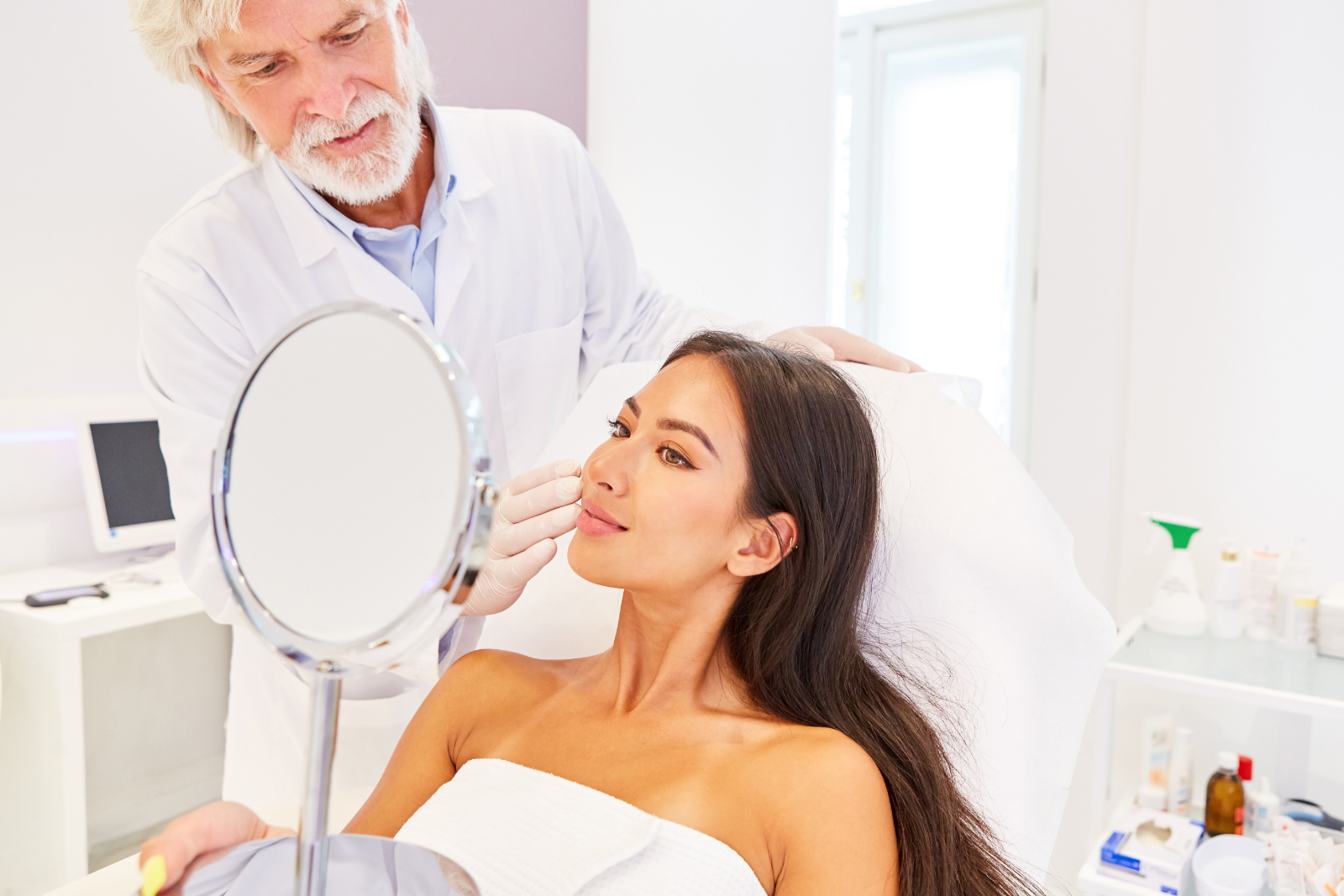
Plastic surgery is the right choice when your concern is specific, long-standing and something surgery can realistically improve, and when you are doing it for yourself. The safest way to get there is to confirm surgery is the right tool, choose a surgeon certified by the American Board of Plastic Surgery, and get a written, all-in price before you commit to anything.
That sounds simple, but it rarely feels that way. Social media before-and-afters, celebrity headlines and prices that change from clinic to clinic make it easy to feel lost. This guide walks through everything in the order most people actually need it: whether you need surgery at all, how you feel about your body, which procedure fits, how to find a safe surgeon, what it costs, whether insurance helps, what recovery is really like, and how to protect yourself from a bad outcome.
You are far from alone in asking these questions. The American Society of Plastic Surgeons (ASPS) estimates that about 1.5 million cosmetic surgical procedures were performed in the U.S. in 2025, up 7 percent from the year before, according to its 2025 procedural statistics report. Just as telling is why people go. In the ASPS survey of member surgeons, 75 percent ranked restoration after life changes such as pregnancy, aging or major weight loss as the leading reason patients seek surgery.
Overview and Key Takeaways from this Blog Post:
- Is it right for you? Surgery fits a persistent, specific concern that you have thought about for months, not a way to fix a relationship, a job or a low mood.
- Your surgeon matters most. Look for certification by the American Board of Plastic Surgery (ABPS) and verify it yourself.
- Cost: ASPS lists 2024 average surgeon fees from about $3,000 to $19,000 for common procedures, and anesthesia and facility fees are usually extra.
- Insurance: Cosmetic surgery is rarely covered. Reconstructive surgery that restores function often is.
- Recovery: Expect days to weeks of downtime and months before swelling settles and the final look appears.
- Results: A good outcome is a natural improvement, not perfection, and not a different person.
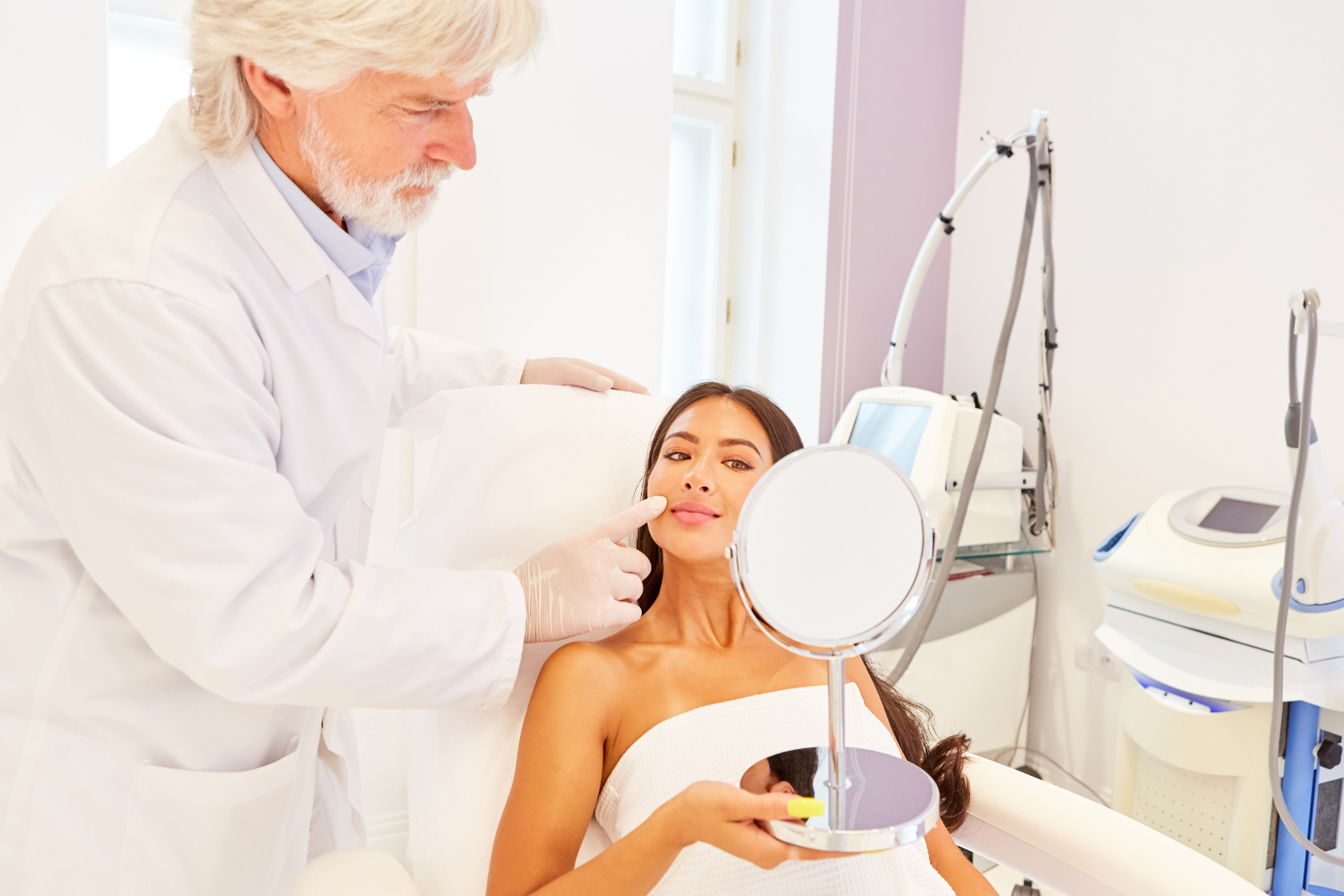
Do You Really Need Plastic Surgery, or Would Diet and Exercise Work Better?
Diet and exercise are the better answer when your goal is to lose overall body fat or build muscle, and surgery is the better answer when the issue is structural, such as loose skin, sagging tissue or the shape of a feature. Plastic surgery is not a weight loss method. Even liposuction, the most common cosmetic surgery in the country, is described by ASPS as a way to reshape stubborn pockets of fat that do not respond to diet and exercise, not a way to lose weight.
The quickest way to sort out which tool you need is to ask what is actually bothering you.
- Overall excess body fat: Diet and exercise are the first-line answer. Surgery is rarely the right tool, so talk to your doctor about medical weight management.
- One stubborn area of fat that never changes: This sometimes improves with lifestyle changes and sometimes does not. Liposuction can contour a specific area once your weight is stable.
- Loose, hanging skin after major weight loss: Skin cannot be exercised away. A tummy tuck, arm lift, thigh lift or body lift may help.
- Sagging breasts after pregnancy or weight loss: Exercise will not lift them. A breast lift, with or without implants, is the surgical option.
- Stretched or separated abdominal muscles: Core exercise does not fully repair this, but a tummy tuck can tighten weakened abdominal muscles.
- Heavy or drooping eyelids: Eyelid surgery (blepharoplasty) is the fix.
- Nose, chin or ear shape: Only surgery changes structure, through rhinoplasty, chin augmentation or otoplasty.
A good order of operations
- See your primary care doctor first. They can rule out medical causes, review your medications and tell you whether you are healthy enough for anesthesia.
- Reach a stable, healthy weight if weight is part of the picture. Many surgeons prefer that your weight has been steady for a while before body contouring, because gaining or losing afterward can change the result. The CDC’s healthy weight guidance is a solid starting point.
- Give yourself time. ASPS surveys show many patients spend years considering surgery before going ahead, and there is nothing to gain from rushing.
- Book consultations only after those steps. A consultation will be far more useful when you know your baseline.
What about weight-loss medications?
This is a real and growing reason people end up in a plastic surgeon’s office. ASPS reported that 82 percent of its member surgeons received consultation requests related to GLP-1 medications in 2025. Rapid weight loss can leave excess skin and cause facial volume loss that exercise cannot reverse. If you are on one of these medications, ask your prescriber and your surgeon when your weight is stable enough to plan surgery, since timing affects results.

Body Image, Self-Worth and Mental Health: Check In With Yourself First
Plastic surgery can change how a feature looks, but it cannot change how much you believe you are worth. Wanting to feel more comfortable in your body is a normal, healthy reason to consider surgery. In fact, 53 percent of surgeons in the ASPS survey listed confidence and self-esteem among the top reasons patients come in. The trouble starts when surgery is asked to carry more than it can.
Questions worth answering honestly
- Whose idea is this? Surgery should be for you, not to please a partner, win someone back or match a filter.
- How long have I felt this way? A concern you have had for years is different from one that began after a hurtful comment or a scroll through social media.
- What do I expect to change? Realistic answers sound like “my arms won’t hold me back from sleeveless tops.” Risky answers sound like “I’ll finally be happy” or “my relationship will be fixed.”
- How is my life right now? A divorce, a loss or a stressful stretch is rarely the best moment to add surgery and recovery on top.
- Can I accept a result that is better but not perfect?
When to talk to a professional first
Some people spend hours a day worrying about a flaw that others barely notice, check mirrors constantly, or stay distressed no matter how much reassurance they get. That pattern can be a sign of body dysmorphic disorder (BDD), a recognized mental health condition. Surgery usually does not relieve it, and people with BDD often stay unhappy with the results. The International OCD Foundation has a helpful overview of BDD and ways to find specialized care.
It is also wise to speak with a therapist or your doctor first if you are living with depression, anxiety or an eating disorder, or if you feel your self-worth depends on your appearance. A mental health professional is not there to talk you out of surgery. They can help you tell whether surgery will address your concern or whether something else is going on.
Habits that protect your self-image whatever you decide
- Take a break from accounts that make you feel worse about your body, and follow people with realistic, unfiltered photos.
- Write down what you like about yourself that has nothing to do with looks.
- Wait a few months after first thinking about surgery before booking. Interest that survives time is a good sign.
- Ask any surgeon you consult how they handle patients who seem unsure. A good one will slow you down when needed.

How to Know Which Procedure Is Best for You
The best procedure is the one that matches your goal, your anatomy and your tolerance for downtime, and the right way to find it is to describe the problem you want solved instead of walking in asking for a specific surgery. A good surgeon would rather hear “my neck and jawline look different since I lost weight” than “I want a facelift,” because the first lets them recommend what will actually work.
- Look more rested around the eyes: ask about upper or lower eyelid surgery, a brow lift, or non-surgical options such as neuromodulators.
- Smooth jowls and a sagging neck: ask about a facelift, neck lift, or chin and neck liposuction.
- Restore facial volume after weight loss or aging: ask about facial fat grafting or fillers.
- Change the balance of the nose or chin: ask about rhinoplasty or chin augmentation.
- Add breast volume or improve shape: ask about breast augmentation, a breast lift, or both together.
- Reduce breast size for comfort: ask about breast reduction.
- Remove loose belly skin and tighten muscles: ask about a tummy tuck.
- Smooth stubborn fat pockets: ask about liposuction.
- Tighten arms, thighs or the whole lower body after major weight loss: ask about an arm lift, thigh lift or lower body lift.
Surgical or non-surgical?
Non-surgical treatments are popular because they cost less up front and need little recovery. ASPS reports that neuromodulator injections (the category that includes Botox) made up about half of all minimally invasive treatments in 2025, and hyaluronic acid fillers made up another 30 percent. They work well for fine lines and mild volume loss. They are temporary, so costs repeat over time, and they cannot remove excess skin. For significant sagging, many people find surgery gives a more lasting change.
Practical ways to narrow it down
- Write your goal in one sentence before any consultation, and bring two or three photos that show the general look you like, not a request to copy someone’s face or body.
- Ask about every option, including doing less. A trustworthy surgeon will tell you when a smaller or non-surgical approach is the smarter choice.
- Ask how often they perform your exact procedure and ask to see before-and-after photos of patients with a body type or facial structure like yours.
- Get a second opinion. ASPS recommends consulting more than one board-certified plastic surgeon. If two surgeons suggest different plans, ask each to explain why.
- Be careful with trends. Procedures rise and fall with social media. ASPS data shows rhinoplasty and Brazilian butt lifts each dropped 5 percent in 2025 even as lifts and eyelid surgery climbed. Choose based on your body, not on what is popular this year. Higher-risk procedures deserve extra scrutiny of the surgeon’s experience and safety practices.
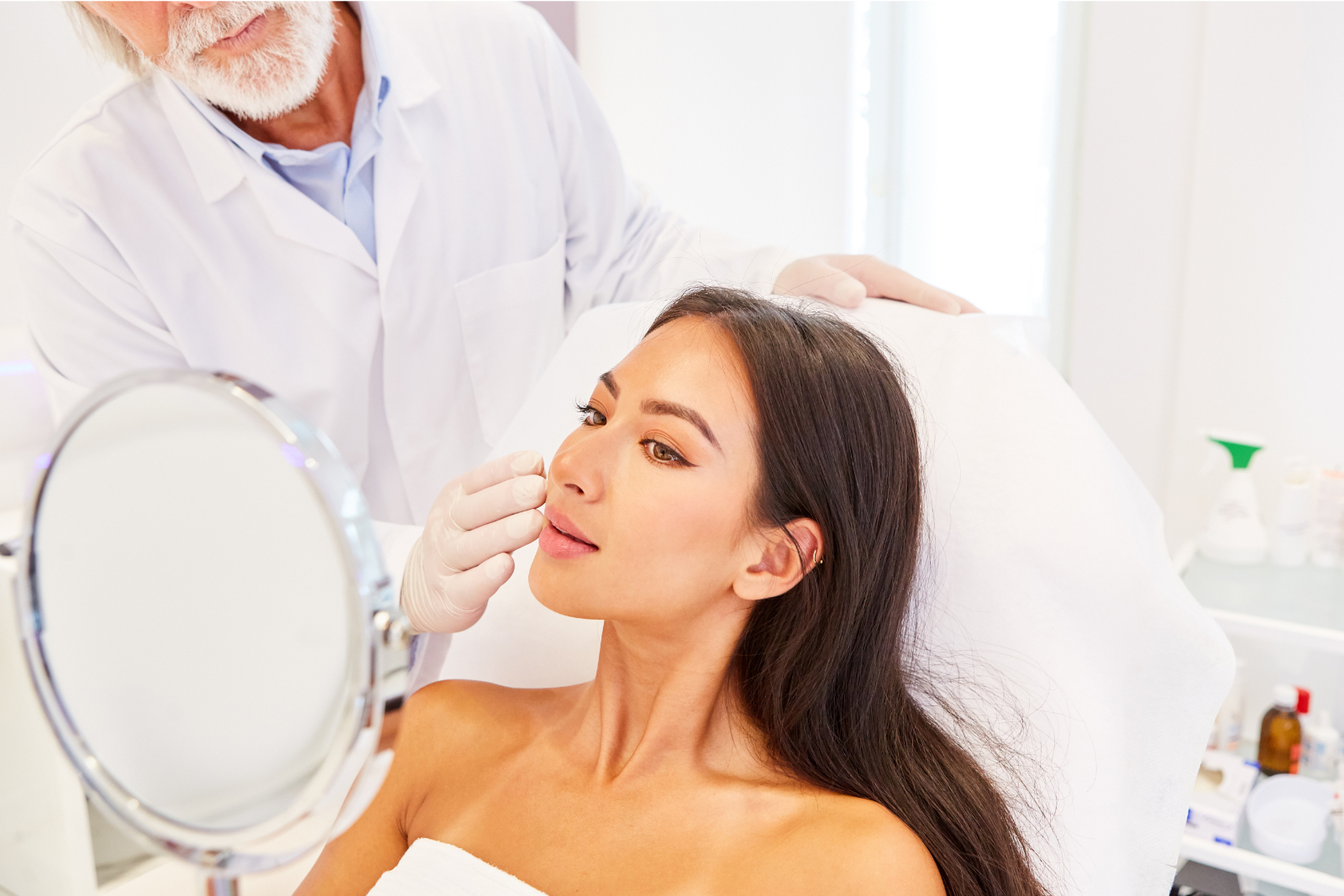
How to Research and Choose a Plastic Surgeon
Start by narrowing your list to surgeons certified by the American Board of Plastic Surgery (ABPS), because your choice of surgeon is the biggest single factor in both your safety and your result. ASPS states that the ABPS is the only board in the American Board of Medical Specialties (ABMS) that certifies plastic surgeons, and that all ASPS members are ABPS-certified (or certified by the Royal College of Physicians and Surgeons of Canada).
This matters because a medical license alone is the legal minimum to practice medicine and is not specific to plastic surgery. Phrases like “cosmetic surgeon” are not the same as “plastic surgeon,” and can describe doctors with very different training. Many procedures, from liposuction to eyelid surgery, are advertised by providers who never completed a plastic surgery residency, so it pays to check.
How to check if a plastic surgeon is board certified
Search the surgeon’s name in the free ABMS Certification Matters directory, or use the ASPS Find a Surgeon tool. You can also confirm the license and look for any disciplinary history through your state medical board or the Federation of State Medical Boards’ DocInfo site. It takes about ten minutes and is the best ten minutes of the whole process.
A step-by-step research plan
- Build a short list of three. Use ASPS or ABMS searches, then ask your primary care doctor or friends who have had your procedure for names.
- Verify certification and license for each name, as above.
- Check where surgery will happen. Ask whether the operating room is an accredited facility or hospital. Accrediting groups include AAAASF, AAAHC and The Joint Commission.
- Study before-and-after photos of the surgeon’s own patients with a body type or face similar to yours, and look at consistency, not one perfect case.
- Read reviews with a critical eye. Look for patterns in how the staff handled questions, complications and follow-up, not just happy photos.
- Book at least two consultations, and notice how each surgeon makes you feel.
Questions to ask at your consultation
- Are you board certified by the American Board of Plastic Surgery, and how many times have you done this exact procedure?
- Where will my surgery take place, and who administers anesthesia?
- What are the realistic risks and the most common complications?
- What will my scars look like and where will they be?
- What happens if I am unhappy or need a revision, and what would it cost?
- Who will see me for follow-up, and how can I reach someone after hours?
- Can I see photos of patients like me, including less-than-perfect results?
- What is the full price, including anesthesia, facility, implants, garments and follow-up visits?
Red flags that should make you walk away
- A surgeon who guarantees results or promises you will look like a specific person
- Pressure to book fast, “limited-time” discounts or deposits that expire in days
- Prices far below what other board-certified surgeons quote
- Little discussion of risks, recovery or alternatives
- No clear answer about who operates and who handles anesthesia
- Operating in a space that is not accredited, or refusing to say where
- Dismissing your questions, or telling you that you do not need a second opinion

How Much Does Plastic Surgery Cost?
Most common cosmetic surgeries have a surgeon fee between roughly $3,000 and $19,000, but that number is only part of your bill. ASPS publishes national average surgeon fees each year and, starting with its 2024 data, shows them as ranges to reflect differences in region and practice setting. These figures cover the surgeon’s fee only. They do not include anesthesia, the operating room facility, implants, medications or garments.
Here are the 2024 ASPS average surgeon fee ranges for common procedures:
- Upper eyelid surgery: $3,000 to $5,500
- Lower eyelid surgery: $3,709 to $6,500
- Forehead lift: $4,000 to $7,500
- Neck lift: $7,500 to $13,000
- Facelift: $12,000 to $19,000
- Nose reshaping (rhinoplasty): $7,500 to $12,500
- Breast augmentation (implants): $4,575 to $8,000
- Breast lift: $6,500 to $11,000
- Breast reduction: $7,000 to $12,500
- Liposuction: $4,300 to $7,500
- Tummy tuck: $8,000 to $13,500
- Arm lift: $6,000 to $10,500
- Thigh lift: $7,000 to $12,000
- Lower body lift: $10,000 to $16,500
- Brazilian butt lift (fat grafting): $7,000 to $11,500
Source: ASPS 2024 average surgeon and physician fees. Prices in your area may be higher or lower, so treat these as a starting point.
What else goes into the total
- Anesthesia fee: charged separately by the anesthesia provider
- Facility fee: for the surgical center or hospital operating room
- Implants or other devices, where used
- Pre-op tests and prescriptions
- Compression garments, dressings and supplies
- Follow-up visits, which some practices include and some bill
- Time off work and help at home, which are real costs even though they never appear on an invoice
- Revision costs, which can apply if you need a touch-up and your surgeon’s policy does not cover it
Ask for a written, itemized quote that lists every one of these, and ask what happens to the price if you need a revision.
Ways to pay
- Surgeon payment plans or medical financing. Read the fine print on interest. Some cards charge deferred interest that applies to the full balance if you do not pay it off in time.
- Saving first. It is the cheapest way, and it gives you more time to think.
- HSAs and FSAs. Purely cosmetic surgery generally does not qualify as a medical expense, but reconstructive or medically necessary care may. Check your plan and IRS Publication 502.
- Complication insurance. Some board-certified surgeons offer optional coverage for unexpected post-surgery complications. ASPS’s endorsed partner CosmetAssure is one provider. Ask whether your surgeon offers it.
Why the cheapest quote is rarely the best deal
A price far below other board-certified surgeons in your area is a signal to ask why. It might reflect less experience, a non-accredited facility, or add-ons billed later. A complication or revision can cost far more than whatever you saved. If you are considering surgery abroad, add travel, lodging, time off and the cost of follow-up care at home to your math.

Will Health Insurance Cover Plastic Surgery?
Health insurance almost never pays for purely cosmetic surgery, but it often pays for reconstructive procedures that treat a medical problem or restore function. ASPS draws the same line: cosmetic surgery reshapes normal anatomy to improve appearance, is not considered medically necessary and is often excluded, while reconstructive surgery corrects problems caused by birth defects, injury, disease or cancer and is covered by most health plans.
The tricky part is that the same operation can fall on either side of that line depending on why you need it, and each insurer sets its own rules. Always confirm with your plan before assuming anything.
Procedures that may be covered when medically necessary
- Breast reconstruction: Often covered after a mastectomy for cancer. Federal law (the Women’s Health and Cancer Rights Act) requires most group plans that cover mastectomy to cover reconstruction.
- Breast reduction: May be considered with documented back, neck or shoulder pain, or skin irritation that has not improved with other treatment.
- Eyelid surgery: May be covered for drooping upper lids that measurably block your field of vision.
- Nose surgery: May be covered for breathing problems from structural issues such as a deviated septum, or for injury.
- Panniculectomy: May be covered for hanging abdominal skin after major weight loss that causes repeated rashes or infections.
- Cleft lip and palate repair, burn care, scar revision and hand surgery: Generally treated as medical when they restore function and normal appearance after birth defects, injury or disease.
- Liposuction for lipedema: May be covered for a diagnosed chronic condition with pain and swelling.
A tummy tuck, breast lift or rhinoplasty done only for appearance is typically not covered, even when a related procedure is.
How to improve your chances of approval
- Ask your primary care doctor first and describe the symptoms. Records of pain, rashes, infections or vision problems, plus treatments you tried, are what insurers look for.
- Call your insurer and ask whether the specific procedure is covered, which criteria apply and whether you need pre-authorization.
- Have your surgeon’s office submit a prior authorization request with photos, a letter of medical necessity and any test results, such as a visual field exam for eyelids.
- Get the decision in writing before you schedule surgery.
- Appeal a denial. Many first denials are overturned with better documentation, and you can request an external review.
What not to do
Never let anyone describe a cosmetic procedure as a medical one to get it covered. That is insurance fraud, and it can leave you responsible for the whole bill. A reputable practice will bill only the medically necessary portion to insurance and the cosmetic portion to you.
What about Medicare?
Medicare generally does not cover cosmetic surgery but may cover reconstructive surgery needed to repair a function or an injury. See the Medicare cosmetic surgery coverage page for details.
What to Expect During Plastic Surgery Recovery
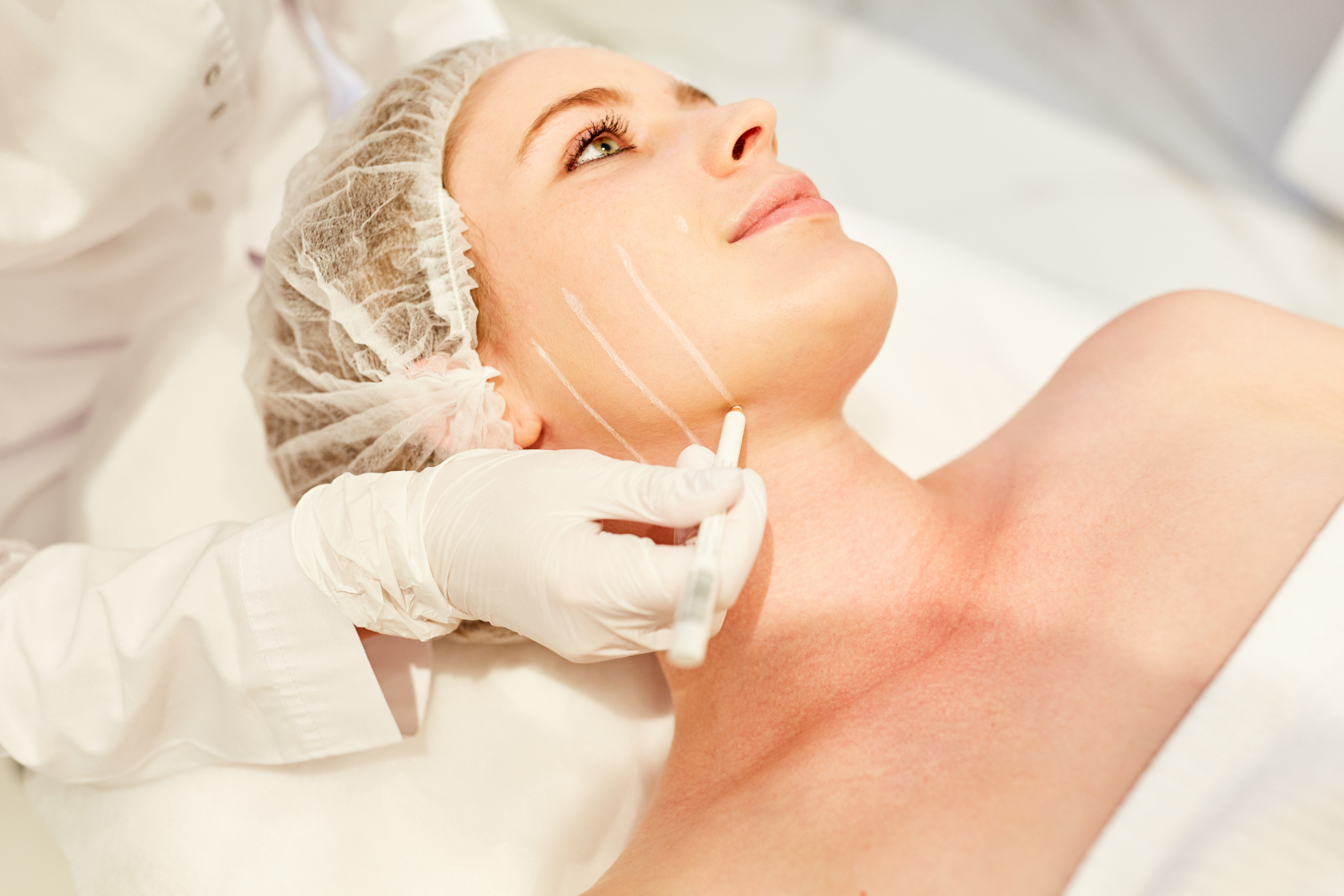
Recovery usually means a few days of rest, one to several weeks of limited activity, and many months before swelling fully settles and you can judge the final result. Your timeline depends on the procedure, your health, your age and how closely you follow your surgeon’s instructions. Treat the ranges below as common patterns, not promises, and defer to your own surgeon’s plan.
- Eyelid surgery: back to desk work in about 1 week, strenuous exercise in 2 to 3 weeks.
- Rhinoplasty: desk work in 1 to 2 weeks, strenuous exercise in 3 to 6 weeks.
- Facelift: desk work in 2 to 3 weeks, strenuous exercise in 4 to 6 weeks.
- Breast augmentation or lift: desk work in 1 to 2 weeks, strenuous exercise in 4 to 6 weeks.
- Liposuction: desk work in a few days to 2 weeks, strenuous exercise in 2 to 4 weeks.
- Tummy tuck: desk work in 2 to 4 weeks, strenuous exercise in 6 to 8 weeks.
Ask your surgeon for the schedule that applies to you.
The recovery timeline in plain terms
- First 24 to 72 hours: Rest, manage pain as prescribed and expect swelling, soreness and fatigue. You will need someone to drive you home and ideally stay with you the first night.
- Week 1: Bruising and swelling often peak. You may wear dressings, a splint or compression garments, and you will have a first follow-up visit.
- Weeks 2 to 6: You start feeling like yourself, and light activity resumes. Heavy lifting and hard workouts stay off the list until cleared.
- Months 3 to 12: Swelling keeps improving, scars soften and fade, and the shape settles. Some results, rhinoplasty especially, keep refining for a year or longer.
How to prepare so recovery goes smoothly
- Arrange help for the first days, including rides, meals, pets and childcare.
- Set up a recovery space with pillows, water, easy food, entertainment and everything within reach.
- Fill prescriptions ahead of time and understand your pain plan.
- Follow pre-op rules exactly. That includes stopping nicotine and any medications or supplements your surgeon flags, such as blood thinners.
- Plan time off. Take more than you think you need, since returning early is a common reason for complications.
- Prepare for the emotional side. Feeling low, anxious or regretful in the first weeks is common while you are swollen and sore, and it often passes as you heal. Tell your surgeon if it does not.
Scars and swelling
Scars take about a year to mature and usually fade from red or dark to paler and flatter. Protect them from the sun and follow your surgeon’s scar-care instructions. Swelling can come and go for months, often worse in the morning or after a long day.
When to call your surgeon right away
Contact your surgeon promptly for fever, spreading redness or warmth, pus, a wound that opens, pain that medication does not control, or swelling that suddenly grows on one side. Call 911 for chest pain, trouble breathing or signs of a blood clot such as a swollen, painful calf.
Setting Realistic Expectations for Your Final Results
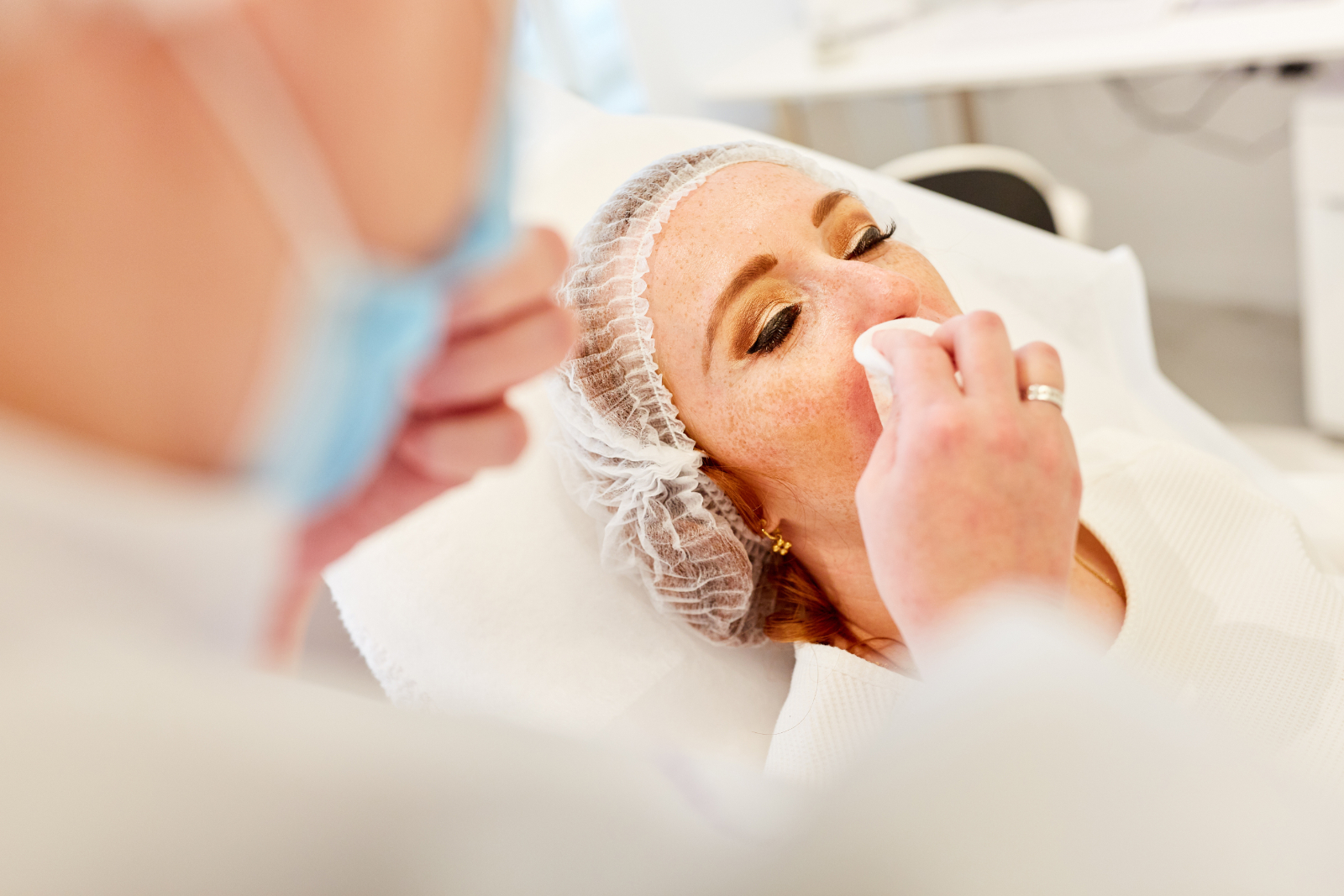
A realistic goal for plastic surgery is a noticeable improvement that still looks like you, not perfection and not a new identity. In the ASPS survey, surgeons described the most common motivation as restoration, meaning feeling more like yourself after pregnancy, aging or weight loss, not becoming someone else.
Surgery can often:
- Improve contour, proportion and balance
- Remove excess skin and reposition tissue
- Create a result that is meaningful in photos and in clothes
- Boost comfort and confidence for many people
- Last for years, sometimes a decade or more
Surgery cannot:
- Make you look like another person or a celebrity
- Stop aging or gravity from continuing
- Create perfect symmetry, since no one’s face or body is perfectly symmetrical
- Fix relationships, careers or deeper unhappiness
- Guarantee a lifetime result or a scar-free outcome
What to keep in mind about the final look
- You will not see the result right away. Swelling and bruising hide the outcome for weeks to months, and you may look worse before you look better.
- Scars are permanent. A skilled surgeon places them thoughtfully and they fade, but they do not disappear.
- Healing differs by person. Skin type, genetics, smoking, sun exposure and health all affect scarring and shape.
- Results age with you. Weight changes, pregnancy and time can change your results, so maintaining a stable weight and protecting your skin help them last.
- Implants are not lifetime devices. The FDA’s breast implant information notes that implants may need to be replaced or removed, so more surgery is possible down the road.
- Some people need a touch-up. Ask your surgeon how often revisions are needed for your procedure and how they handle them.
Be cautious about the pictures you see
Before-and-after photos can be changed by lighting, angles, posture, makeup and filters. Ask to see unedited photos of the surgeon’s own patients, from several angles, taken at different stages, including a year or more after surgery. Computer imaging in a consultation can help you talk about goals, but it is a visual aid and not a promise.
Check your own expectations
Before surgery, write down what you hope changes and how you will feel if the result is 80 percent of what you imagined. If you would still be glad you did it, that is a healthy sign. If only a perfect outcome would satisfy you, give yourself more time and consider talking it through with a professional first.

How to Overcome the Fear of a Botched Plastic Surgery
Fear of a bad result is reasonable, and the best way to shrink it is to control what you can: your surgeon, your facility, your health and your preparation. No surgery is risk free, and ASPS notes that complications can happen with any operation. But many of the horror stories people remember involve unqualified providers, unaccredited settings, rock-bottom prices or rushed decisions, all of which you can avoid.
Turn the fear into a checklist
- Verify board certification in plastic surgery and a clean license record before you book.
- Confirm an accredited facility and ask who handles anesthesia.
- Get a second opinion. Two surgeons telling you the same thing is reassuring, and two telling you different things is useful information.
- Learn the specific risks of your procedure and ask how your surgeon would handle each one.
- Ask about the revision policy and costs in writing, so you know the plan before something goes wrong.
- Be a healthy candidate. Stop nicotine, manage health conditions and follow pre-op instructions, since these lower your risk.
- Do not rush. Take your time between consultation and surgery, and never let a surgeon or salesperson pressure you with a deadline.
Talk to people who have been through it
Ask your surgeon whether any past patients are willing to share their experience, and look for honest patient communities where people discuss recovery, setbacks and revisions, not just highlights. Hearing what a normal bumpy recovery looks like makes it much less scary when yours has bumps too.
If you are worried after surgery
It can be hard to tell a normal healing stage from a real problem, so know the difference.
- Many worries are part of normal healing. Swelling, asymmetry, tightness and lumpy or uneven areas often improve over weeks to months. Surgeons generally advise waiting for swelling to settle before judging a result.
- Call your surgeon early about concerns. A good practice wants to hear from you and will see you. Keep notes and dated photos.
- Seek urgent care for warning signs, such as fever, spreading redness, severe pain, a wound that opens or sudden one-sided swelling.
- If you are truly unhappy after healing, talk openly with your surgeon about a revision. You can also get a second opinion from another board-certified plastic surgeon before deciding.
A final point: you are allowed to change your mind. Canceling or postponing surgery because something feels off is not a failure, and it is far better than going ahead out of pressure or embarrassment.
Tips to Improve Your Chances of a Great Result
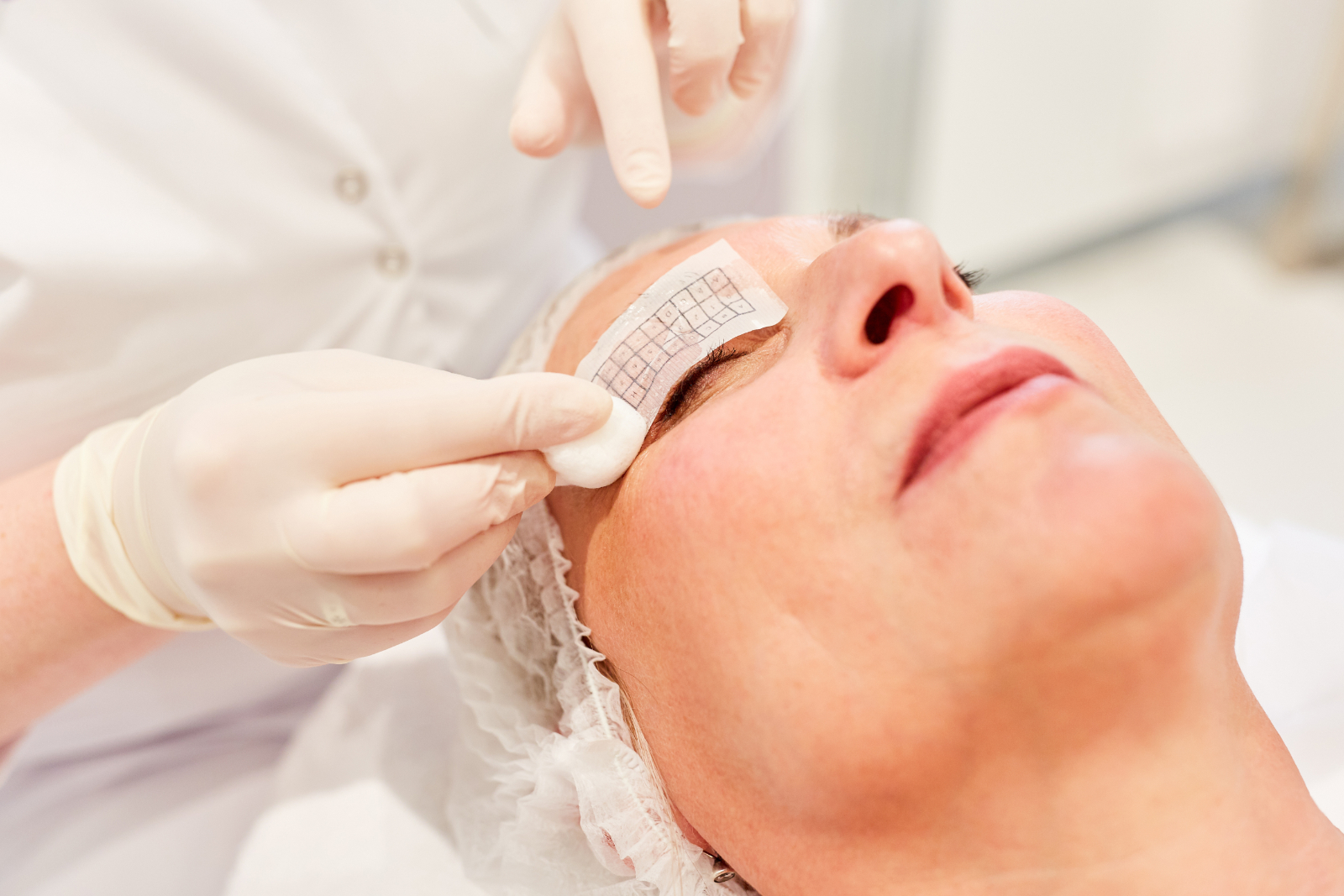
Good preparation, a qualified surgeon, conservative goals and careful aftercare all improve your odds of a good outcome, though nothing can guarantee one.
- Be completely honest about your health. Tell your surgeon about every medication, supplement, allergy, past surgery and condition, plus any history of poor healing or anesthesia problems.
- Describe your goal clearly. Use words and a few reference photos of the general look you want, and listen when your surgeon explains what is and is not realistic for your anatomy.
- Lean toward natural. ASPS reports that surgeons saw more patients choosing moderate, proportionate breast implants in 2025, and that many patients want results that suit their own features. Subtle work usually ages better.
- Get healthy before surgery. Eat well, stay hydrated, sleep enough, manage conditions such as diabetes and blood pressure, and get as close as you can to a stable weight.
- Quit nicotine well ahead of time. Smoking, vaping and nicotine products can reduce blood flow and interfere with healing, so follow your surgeon’s rules on when to stop and when you can restart.
- Follow every pre-op and post-op instruction. That includes medications, wound care, garments, positioning, activity limits and diet.
- Do not stack too many procedures at once unless your surgeon explains why it is safe for you. Longer operations and bigger recoveries carry more risk.
- Show up to every follow-up visit, even if you feel great. Small problems are easiest to fix early.
- Give yourself real recovery time and protect your scars from the sun once your surgeon says it is safe.
- Be patient with the timeline. Judge your result after swelling resolves, not at week two.
- Keep your weight steady afterward. Large weight changes can undo contouring and change facial shape.
- Choose your surgeon for skill, not for convenience or price.
Things to Avoid When Considering Plastic Surgery
The biggest mistakes are choosing on price or hype, rushing the decision and skipping the instructions that protect your healing. Here are the ones worth steering clear of.
Before you book
- Choosing a surgeon from social media alone. A big following and polished videos say nothing about training, safety record or accreditation.
- Price shopping to the bottom. Bargain quotes often leave out fees or cut corners.
- Surgery packages sold as trips or deals, including medical tourism bundles with little follow-up care back home.
- Med spas and non-medical settings for surgical or injectable work. Make sure any injector is a licensed, qualified medical professional using genuine, approved products.
- Asking to look like a specific person. Your bone structure, skin and proportions are your own, so use photos only to describe a style.
- Scheduling surgery right before a big event. A wedding or a trip is a poor deadline when swelling and bruising can last weeks.
- Deciding during a crisis or a low point. Breakups, grief and burnout are times to wait.
- Hiding health details from your surgeon, including past surgeries, supplements and vaping or smoking.
Before and after surgery
- Smoking, vaping and other nicotine, which can slow healing and raise the risk of complications.
- Taking aspirin, anti-inflammatories or herbal supplements that your surgeon has not cleared, since some increase bleeding.
- Alcohol around surgery and while on pain medication, unless your surgeon approves.
- Going back to work or exercise too soon because you feel good. Early strain is a common cause of setbacks.
- Skipping compression garments, dressings or follow-up appointments.
- Sun exposure on healing scars before your surgeon says it is safe.
- Big swings in weight in the months after surgery.
- Judging the result too early, or comparing your week-two photos to someone else’s year-one photos.
- Asking an unlicensed person to fix a problem, or trying to treat a complication yourself. Call your surgeon or seek a second opinion from another board-certified plastic surgeon.
Expectations to leave behind
- That surgery will fix your relationship, career or mood
- That any result will be perfectly symmetrical
- That the effects are permanent no matter how your body changes
- That more is always better
Celebrity Plastic Surgery: What the Good and the Cautionary Stories Teach Us
Celebrity stories are most useful as lessons about decisions, not as templates for results. Public figures have access to top surgeons, stylists, lighting and editing, and the rumors about who has had “work done” are usually guesses. The examples below are limited to cases the people themselves have discussed publicly, and we cannot know the medical details behind any of them.
- Angelina Jolie: In a 2013 New York Times essay, she wrote that she had a preventive double mastectomy followed by breast reconstruction after learning she carried a BRCA1 gene mutation. The takeaway: this was a medically driven choice made with doctors. Reconstructive surgery can restore form after major medical decisions, and insurance often treats it differently from cosmetic surgery.
- Chrissy Teigen: She has said she had breast implants early in her modeling career, then had them removed in 2020 after about 10 years, citing comfort. The takeaway: goals change over time, and implants may not be a lifelong choice. Explant surgery is a normal, legitimate option.
- Kylie Jenner: She has discussed lip filler since her teens and told fans in 2018 that she had gotten rid of all of it. The takeaway: hyaluronic acid fillers can be dissolved, which makes them forgiving if tastes change, and trends are not permanent either.
- Heidi Montag: Her 10 procedures in a single day made headlines around 2010. She later said she was in intense pain during recovery and has voiced regret about some of the work, and told press she felt pushed to do more than she planned. The takeaway: stacking many procedures at once adds risk and recovery strain, and a surgeon who upsells beyond your goal is a warning sign.
- Cardi B: She told GQ in 2018 that she paid about $800 for buttock injections from an unlicensed provider in a basement, with no pain control, and later said she had most of them removed. The takeaway: unlicensed injections can be dangerous. ASPS has warned about illegal injections, the FDA says it has prosecuted unlicensed providers, and the cost of fixing the problem can far exceed the savings.
What these stories have in common
- The happiest stories involve a clear reason and a qualified team. The medically driven and reversible examples above worked out because the choices matched a real need.
- The hardest stories involve pressure, shortcuts or too much at once. Speed, price and persuasion show up again and again.
- Bodies and tastes change. Many public figures have reversed fillers or removed implants, which is a reminder to choose conservatively and keep options open.
- What you see online is not the full picture. Photo editing and flattering angles can make results look better or worse than they are.
Frequently Asked Questions About Plastic Surgery
How do I know if I need plastic surgery?
You may be a good candidate if you have a specific, long-standing concern that diet, exercise and non-surgical options cannot address, such as loose skin, sagging tissue or the shape of a feature, and you have realistic expectations. A consultation with a board-certified plastic surgeon is the best way to find out, and a second opinion is wise.
Is plastic surgery worth it?
For many people it is, particularly when the goal is restoration or comfort and the surgeon is qualified. It is less likely to feel worth it if you expect it to fix relationships, career troubles or low self-worth. Honest goals, patience with recovery and a realistic budget make the biggest difference.
What is the most common plastic surgery?
According to ASPS 2025 data, liposuction is the most common cosmetic surgery, at about 317,000 procedures. Breast augmentation and implant revision came next at roughly 304,000, followed by tummy tuck at about 173,000, breast lift at about 156,000 and eyelid surgery at about 119,000.
How do I choose a good plastic surgeon?
Choose a surgeon certified by the American Board of Plastic Surgery, confirm their license, check that surgery happens in an accredited facility, review before-and-after photos of similar patients and consult at least two surgeons. Be wary of pressure, guarantees and prices far below the local norm.
What is the difference between a plastic surgeon and a cosmetic surgeon?
“Plastic surgeon” generally refers to a doctor certified in plastic surgery, with residency training that covers the whole body and both reconstructive and cosmetic work. “Cosmetic surgeon” is a broader marketing term that can describe doctors from different specialties with different training, so always ask about board certification.
How much does plastic surgery cost?
ASPS 2024 average surgeon fees range from about $3,000 to $5,500 for upper eyelid surgery up to $12,000 to $19,000 for a facelift. These figures exclude anesthesia, facility and other fees, so the total is higher. Ask for an itemized written quote.
Does health insurance cover plastic surgery?
Usually not for cosmetic procedures. Insurance often covers reconstructive surgery that treats a medical problem or restores function, such as breast reconstruction after mastectomy. Coverage varies by plan and requires documentation, so ask your insurer for pre-authorization before scheduling.
How long is plastic surgery recovery?
Most people need from a few days to several weeks before returning to work and roughly two to eight weeks before strenuous exercise, depending on the procedure. Swelling and scars continue to improve for months, and some results keep refining for a year or longer. Your surgeon will give you a specific timeline.
Can diet and exercise replace plastic surgery?
For losing overall body fat and building muscle, yes. For loose skin, stretched muscles, sagging tissue or the structure of features such as the nose or eyelids, no. Surgery is not a weight loss tool, and many surgeons prefer a stable weight before body contouring.
How can I avoid a botched plastic surgery?
The best protection is a board-certified plastic surgeon, an accredited facility, an honest health history, realistic goals, a clear revision policy and patience. Avoid price-driven decisions, unlicensed injectors and surgeons who rush you or promise perfect results.
Should I see a therapist before plastic surgery?
It can help, especially if you struggle with persistent preoccupation with a perceived flaw, depression, anxiety or an eating disorder. A mental health professional can help you decide whether surgery will address your concern. It is not a requirement, and it is not a judgment of your reasons.
Your Next Step
The most useful next step is small: write down your goal in one sentence, then book consultations with two or three surgeons certified by the American Board of Plastic Surgery. You do not have to decide anything at the first appointment. Use it to ask questions, see how the surgeon listens, and learn what is realistic for your body.
Plastic surgery can be a positive, even life-improving decision when it is made slowly, for your own reasons and with the right team. It deserves the same care you would give any major health decision. If you are still unsure, that is a perfectly good reason to wait.
This article is for general education and is not medical advice. It cannot replace a consultation with a licensed, board-certified plastic surgeon who knows your health history. Prices, statistics and insurance rules change, so confirm current details with your surgeon and insurer.