Skills Young Moms Can Learn at Home to Build Confidence and New Opportunities

Becoming a mother can change nearly every part of daily life, from how time is managed to how personal goals are planned. For young moms who spend much of their day caring for children, finding time for personal development may seem difficult. Yet staying at home does not mean putting learning, creativity, or career ambitions on hold.
Learning a new skill can provide a welcome change of pace, strengthen confidence, and open doors to future opportunities. It does not have to involve a demanding course or hours of uninterrupted study. Even a few focused minutes each day can help build knowledge over time.
The best skill to learn depends on personal interests, available time, and long-term goals. Some moms may want to prepare for a return to work, while others may simply want a creative outlet or a way to become more independent. Here are seven practical skills worth exploring at home.

1. Digital Skills for Everyday and Professional Use
Digital skills are useful in many areas of life, whether someone wants to manage household responsibilities more efficiently or eventually pursue remote work. Learning to use spreadsheets, organize digital files, create presentations, or manage online calendars can be a practical starting point.
Moms interested in building professional skills could also explore graphic design, content writing, social media management, or basic website development. These areas allow beginners to practise through small projects without immediately committing to a full-time course.
For example, creating a simple monthly budget spreadsheet can help develop spreadsheet skills. Designing a social media post for a local business can provide an introduction to visual communication. Over time, a collection of practice projects may become a useful portfolio.
The important thing is to start with one tool or skill rather than attempting to learn everything at once. A clear, manageable goal makes progress easier to track.
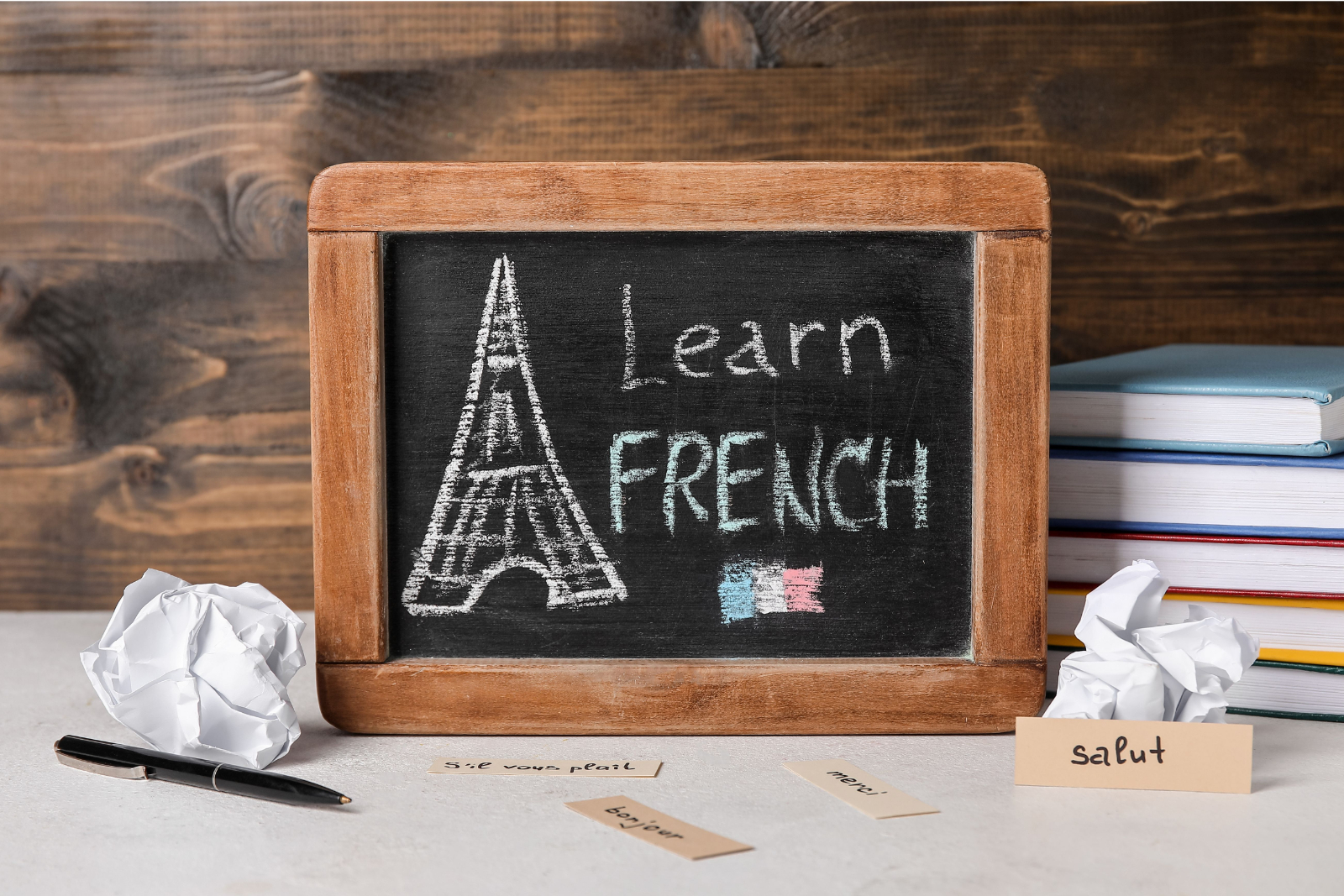
2. Learn a New Language to Expand Communication Skills
Learning a language can be rewarding for moms who want to improve communication, connect with different cultures, or prepare for future educational and professional opportunities. It can also be an enjoyable personal goal that fits into small pockets of free time.
Start by learning common phrases, practising pronunciation, and building vocabulary around everyday situations. Listening to short audio lessons while preparing meals or reviewing flashcards during a quiet moment can help establish a routine. Speaking aloud is especially valuable because recognizing a word and using it in conversation are two different skills.
For those who prefer structured learning, National language school is one option to explore when considering language education. A suitable learning programme can help learners follow a clearer path, practise consistently, and work toward specific communication goals.
Progress does not need to happen quickly to be meaningful. Learning five new words a day, practising a short conversation, or understanding a simple passage can all add up over several months.
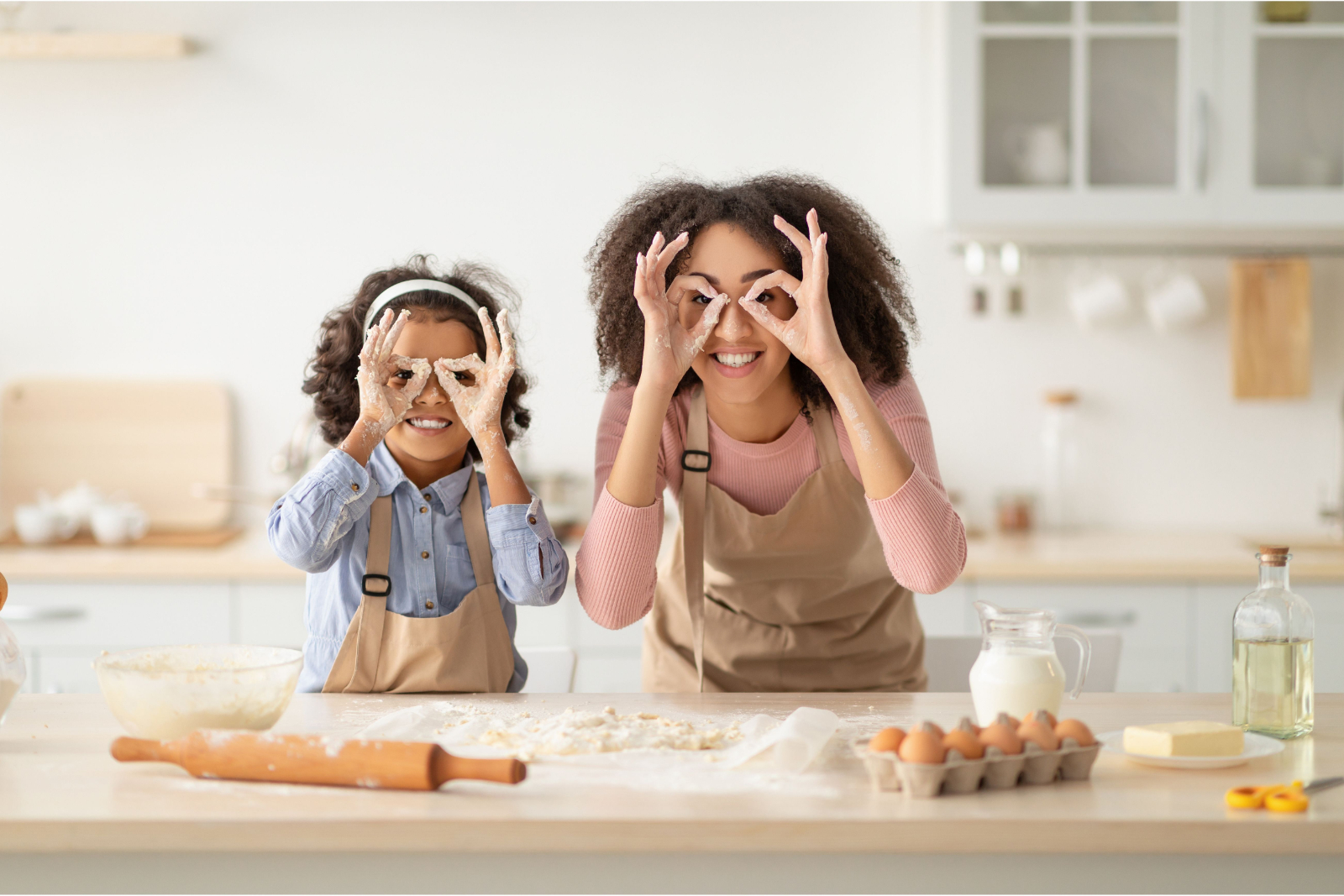
3. Develop Cooking and Baking Skills
Cooking is already part of everyday life for many families, but it can also become an opportunity to learn something new. Young moms can use familiar routines to develop meal-planning, food preparation, and baking skills without adding a completely separate activity to the day.
Try learning a few nutritious meals that can be prepared in batches and stored for busy days. Experiment with different ingredients, practise knife skills safely, or explore baking techniques such as measuring accurately and understanding how ingredients affect texture.
These skills can make household routines more manageable while encouraging creativity. Someone who enjoys the process might eventually explore recipe writing, food photography, or a small food-related business, depending on local regulations and practical circumstances.
The goal is not to turn every meal into a project. Choosing one new recipe each week is enough to make cooking feel more interesting while building confidence gradually.

4. Explore Bartending and Hospitality Skills
Not every useful skill has to be learned through a traditional academic subject. Practical skills connected to hospitality can also introduce new interests and potential career paths.
For moms who enjoy preparing drinks, entertaining guests, or learning about customer service, it may be worth exploring the basics of mixing beverages, understanding glassware, measuring ingredients, and presenting drinks professionally. These skills can be practised at home with non-alcoholic recipes and simple equipment.
Those who want more structured instruction can look into opportunities to learn bartending and understand the practical techniques used in hospitality settings. Training may cover drink preparation, service standards, organization, and other skills relevant to bartending roles.
Of course, learning a skill does not mean having to turn it into a job immediately. It can simply be a way to discover an interest. For moms who later decide to pursue hospitality work, researching course requirements, schedules, and local employment options can help them understand the next steps.

5. Build Personal Finance and Budgeting Skills
Managing money is an important life skill, especially when household expenses and childcare needs must be balanced carefully. Learning more about budgeting can help moms understand where money goes, plan for upcoming expenses, and set realistic financial goals.
A simple place to begin is by recording monthly income and regular spending. Separate essential costs, such as groceries and utilities, from flexible expenses. Then identify one achievable goal, whether that means setting aside a small emergency fund, reducing an unnecessary expense, or planning for a future course.
It can also be useful to learn basic concepts such as interest, savings accounts, debt repayment, and how to compare financial products. Reliable educational resources can help explain these topics without requiring advanced mathematical knowledge.
Financial learning should be practical and suited to the household’s circumstances. There is no single budget that works for every family, and even small improvements in awareness can make planning easier.

6. Practise Writing and Communication
Clear communication is valuable at home, in personal relationships, and in many professional settings. Writing is a particularly accessible skill to practise because it requires little equipment and can be developed in short sessions.
A beginner might start by keeping a journal, writing short summaries of books, or practising emails for different situations. Those interested in a future career could explore blog writing, editing, copywriting, or preparing simple business content.
One useful exercise is to choose a familiar topic and explain it in 150 words. Then review the draft to remove repetition, clarify confusing sentences, and make the main point easier to understand. Repeating this exercise regularly can strengthen both writing and critical-thinking skills.
Communication also includes listening, asking questions, and explaining ideas clearly. These abilities are useful in everyday family life and can support a future return to education or employment.
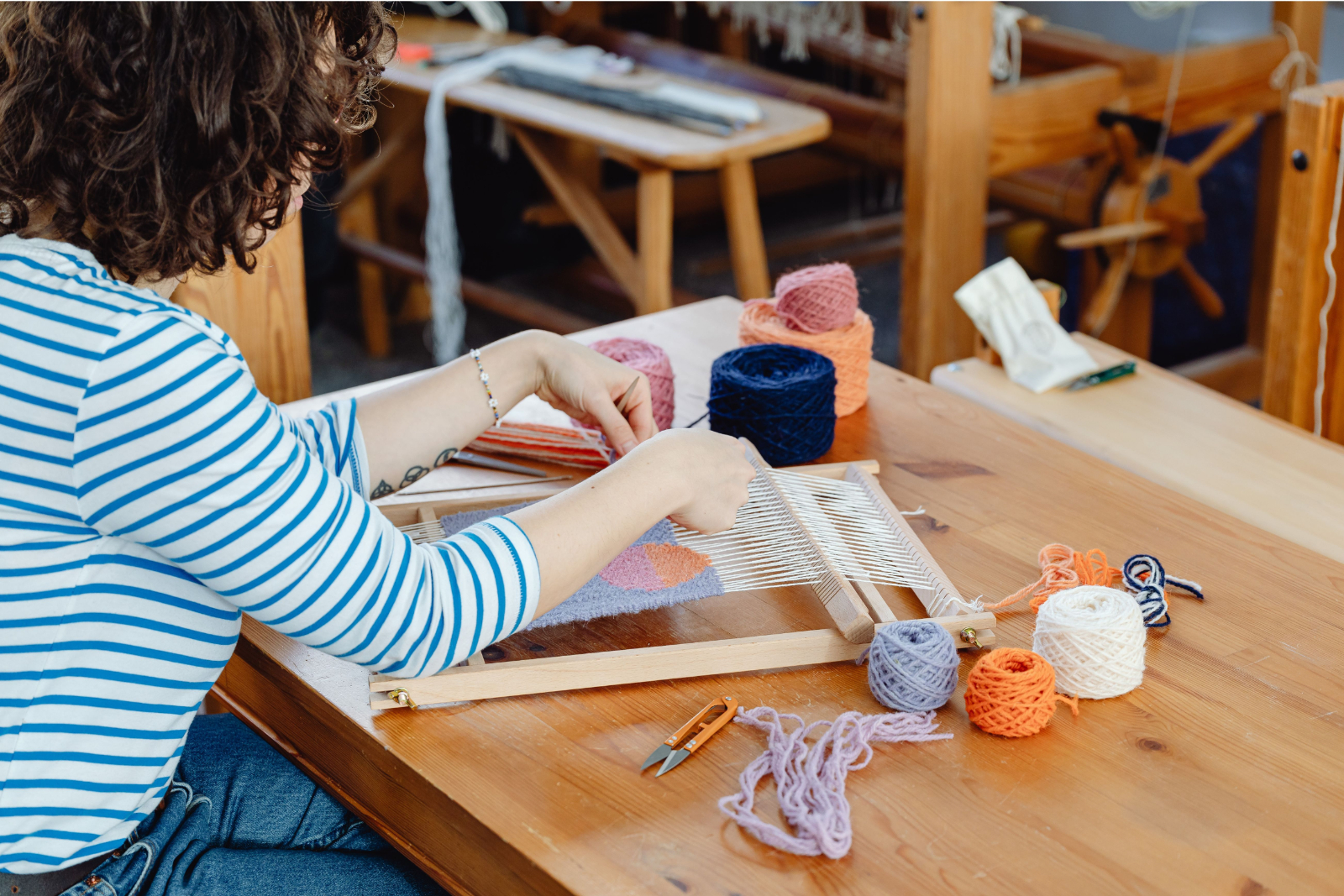
7. Learn Basic Creative and Craft Skills
Creative activities can offer a break from routine while giving moms a chance to develop patience and problem-solving abilities. Options include sewing, knitting, drawing, photography, handmade decorations, or simple DIY projects.
Choose an activity that can be paused easily when a child needs attention. A small sewing project or a short drawing exercise may be more practical than a task requiring several hours of uninterrupted work.
Free tutorials, beginner guides, and community classes can provide a starting point. Rather than buying lots of equipment immediately, begin with basic supplies and see whether the activity remains enjoyable.
Creative skills can also develop into practical household projects or, for those who wish to explore that possibility, a small side business. However, there is no pressure to monetize a hobby. Enjoyment and personal satisfaction are valuable outcomes in their own right.
How to Make Time for Learning Without Feeling Overwhelmed
The biggest challenge is often not choosing a skill but finding a realistic way to practise it alongside childcare and household responsibilities. A flexible plan is more useful than a strict schedule that becomes difficult to maintain.
Start with 10–15 minutes a day. Short sessions can be easier to fit around naps, quiet play, or other available moments. Increase the time only when it feels manageable.
Choose one priority at a time. Trying to learn a language, start a business, improve digital skills, and take up a hobby all at once can quickly become exhausting. Pick one goal for the next few weeks.
Use small, measurable milestones. Instead of aiming to master a subject, set a specific target, such as completing three lessons, learning 30 new words, or creating one sample project.
Allow for interruptions. Caring for a young child is unpredictable. Missing a session does not mean the plan has failed. Return to the activity when time allows, without treating every break as lost progress.
Ask for support when possible. If a partner, relative, or trusted caregiver can offer occasional childcare, use some of that time for focused learning. Support does not need to be available every day to make a difference.
Make Personal Growth Part of Your Own Routine
Young moms do not need to accomplish everything at once to make progress. Learning a language, developing digital confidence, exploring hospitality, improving financial knowledge, or discovering a creative hobby can all be worthwhile ways to invest in personal growth.
The most useful skill is the one that fits your interests, circumstances, and goals. Start small, practise consistently when possible, and give yourself permission to learn at your own pace. Motherhood may change your schedule, but it does not mean your own interests and ambitions have to disappear.