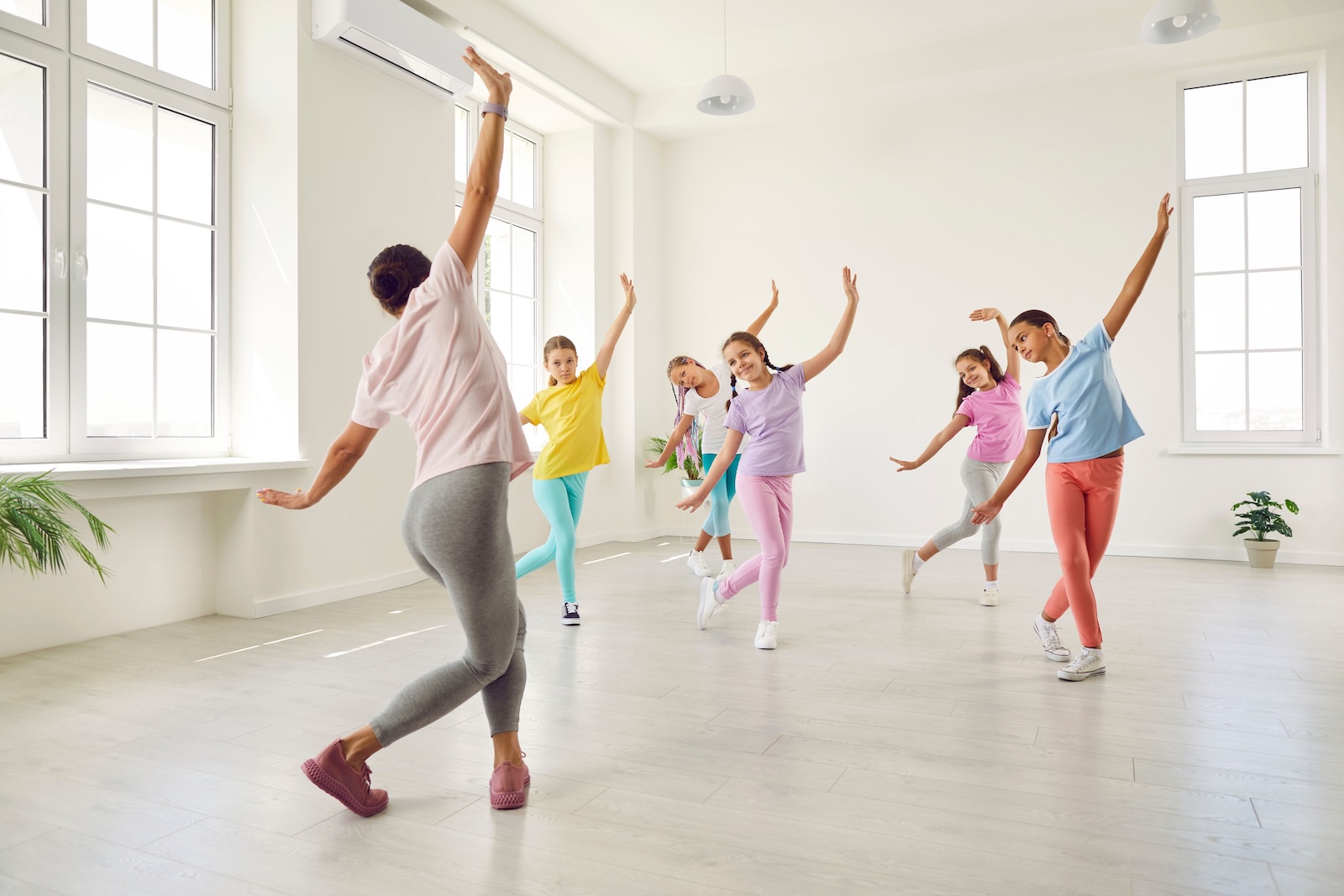
The One-Skill School Break: Why Learning Something New Can Be Better Than a Packed Activity Calendar

When school breaks approach, many parents start planning how to keep their children occupied. Holiday camps, sports programs, art workshops, day trips, and family outings can quickly fill the calendar. The intention is understandable: parents want their children to stay active, explore new interests, and make the most of their time away from school.
However, a packed schedule is not always the most rewarding approach. Moving from one activity to another can leave children with little time to practise what they have learned, explore their own interests, or simply enjoy an unplanned afternoon.
An alternative is the one-skill school break: choosing one new skill for a child to explore throughout the holiday. Rather than introducing several activities at once, families can focus on something their child genuinely wants to learn, whether it is swimming, ice skating, cooking, drawing, or riding a bicycle.
This approach creates room for steady progress without turning the break into another demanding schedule. It also gives children the opportunity to discover what happens when they return to something regularly and gradually become more comfortable with it.
Why Children Don’t Need a Packed Holiday Schedule
School breaks offer children a change from their usual routines. After months of lessons, homework, and scheduled activities, some unstructured time can be valuable.
Free time gives children opportunities to decide how they want to spend an afternoon, invent games, explore their surroundings, and follow their curiosity. According to Harvard Health Publishing, leaving some time unscheduled during school holidays can help children develop independence and learn to entertain themselves.
This does not mean organized activities should disappear from the calendar. Structured lessons and supervised programs can introduce children to new skills, provide exercise, and offer opportunities to socialize. The challenge is finding a balance between planned learning and time to relax.
A one-skill approach provides that balance. Families choose one main learning goal while leaving the rest of the holiday flexible.
For example, a child who wants to learn ice skating might attend lessons once or twice a week, depending on the program and the family’s schedule. The remaining days can include outdoor play, reading, family outings, and time with friends.
Instead of feeling that every day must be productive, children have a clear opportunity to develop a skill while still enjoying their break.
Choose One Skill That Matches Your Child’s Interests
The first step is to involve your child in choosing what they want to learn. Parents may have ideas about useful skills, but children are often more motivated when the activity connects with their own interests.
One child might be fascinated by ice skating after watching a performance. Another might want to become more confident in the swimming pool. An older child may prefer learning photography, preparing simple meals, or developing a creative hobby.
Start by discussing a few possibilities rather than presenting a long list of activities. Ask questions such as:
- Is there something you have always wanted to try?
- Is there a skill you would like to feel more confident doing?
- Would you prefer an activity that involves movement, creativity, or making something?
- Is there something you would like to learn together?
The answers can help narrow the options.
It is also important to consider the child’s current ability, age, and comfort level. A beginner should not be expected to master a complicated skill during a short school break. A realistic goal might be to learn a few basic movements, complete a simple project, or become more comfortable in an unfamiliar environment.
The purpose is to create a positive learning experience, not another performance target.
Learning Ice Skating: Build Confidence One Movement at a Time
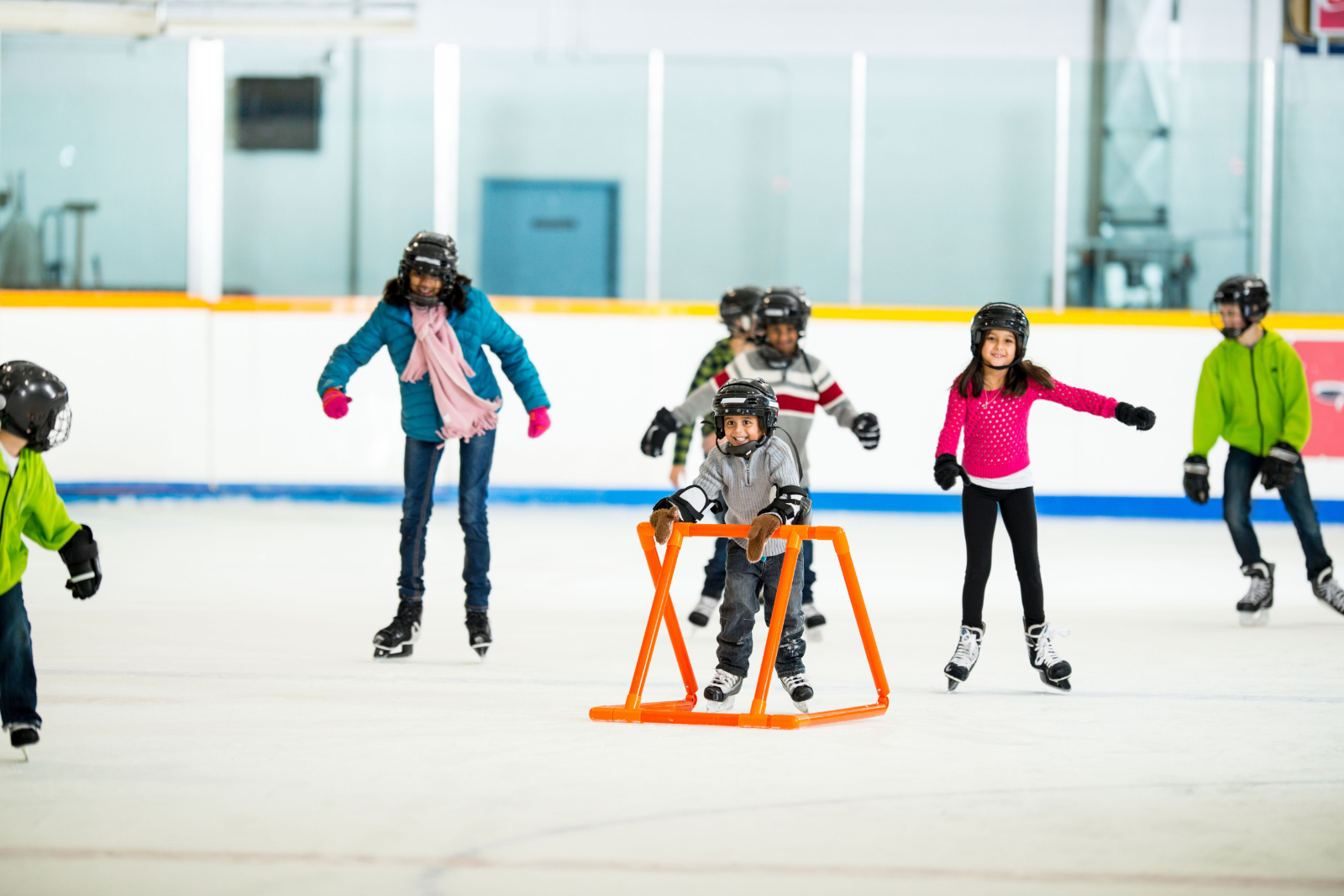
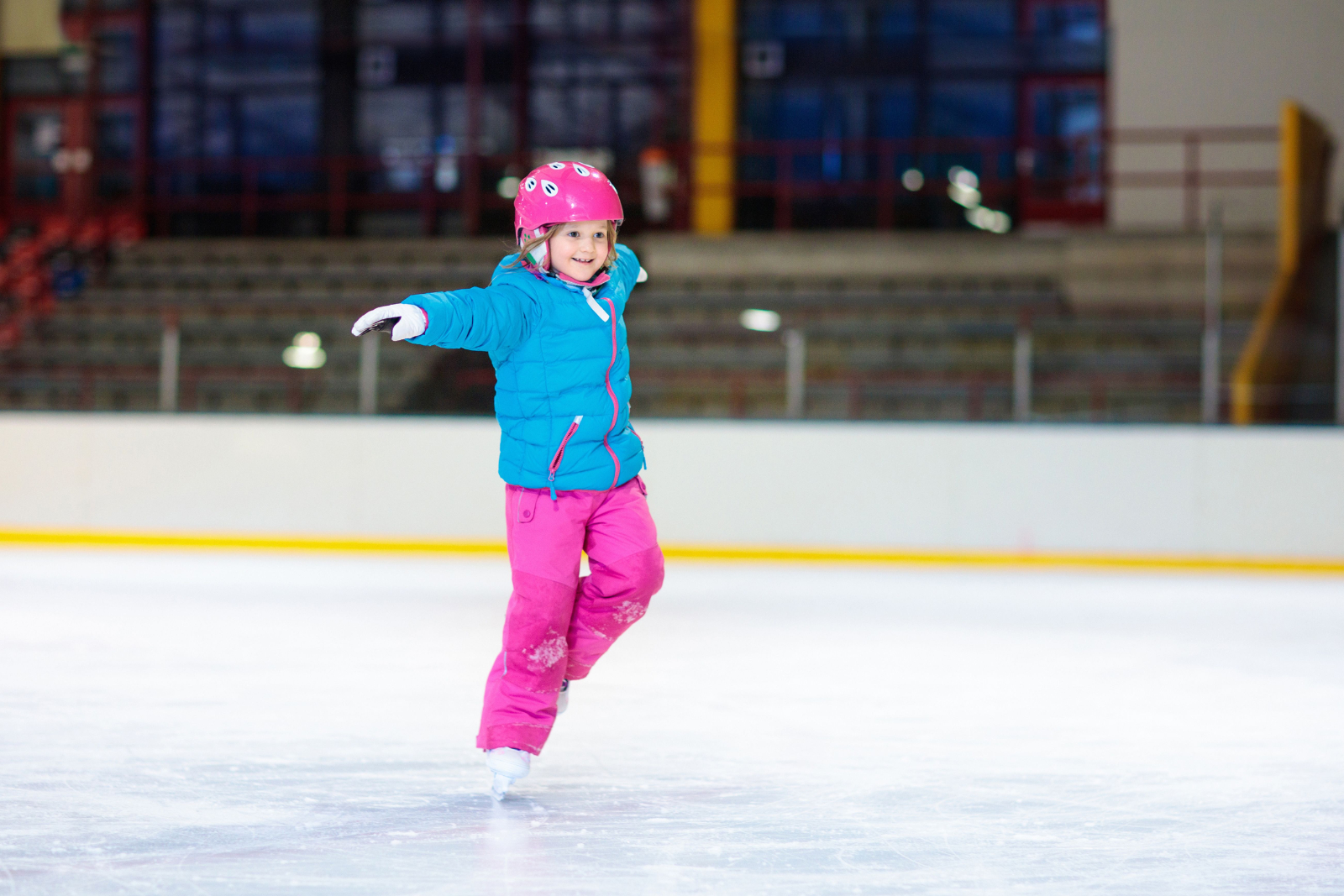
Ice skating can be an exciting choice for children who enjoy physical challenges or want to try something different from their usual activities. However, standing on ice and moving confidently across a rink can feel unfamiliar at first.
Rather than expecting a child to skate independently after one visit, focus on gradual progress.
The first session might involve becoming comfortable with the rink environment, learning how to wear skates correctly, and understanding basic safety instructions. With suitable instruction, children can gradually practise standing, balancing, moving carefully, and developing control.
Each session builds on what came before. As children become familiar with the movements, they may begin to feel more comfortable attempting the next step.
For Sacramento families considering this activity, ice skate lessons can be a starting point for exploring instruction options.
A suitable beginner program should take the child’s age and experience into account. Parents can ask about instructor qualifications, protective measures, appropriate equipment, and how lessons are adapted for children who are new to the ice.
It is equally important to allow time for practice without expecting immediate results. A child who spends one session working on balance has still made progress, even if they are not yet gliding independently.
Parents can support the experience by celebrating small improvements and avoiding comparisons with other children at the rink.
By the end of the break, the goal might simply be to feel more comfortable on the ice and have a foundation for continued learning. That is a meaningful outcome without the pressure of mastering an entire sport in a few weeks.
Swimming: A Practical Skill Worth Developing During School Breaks
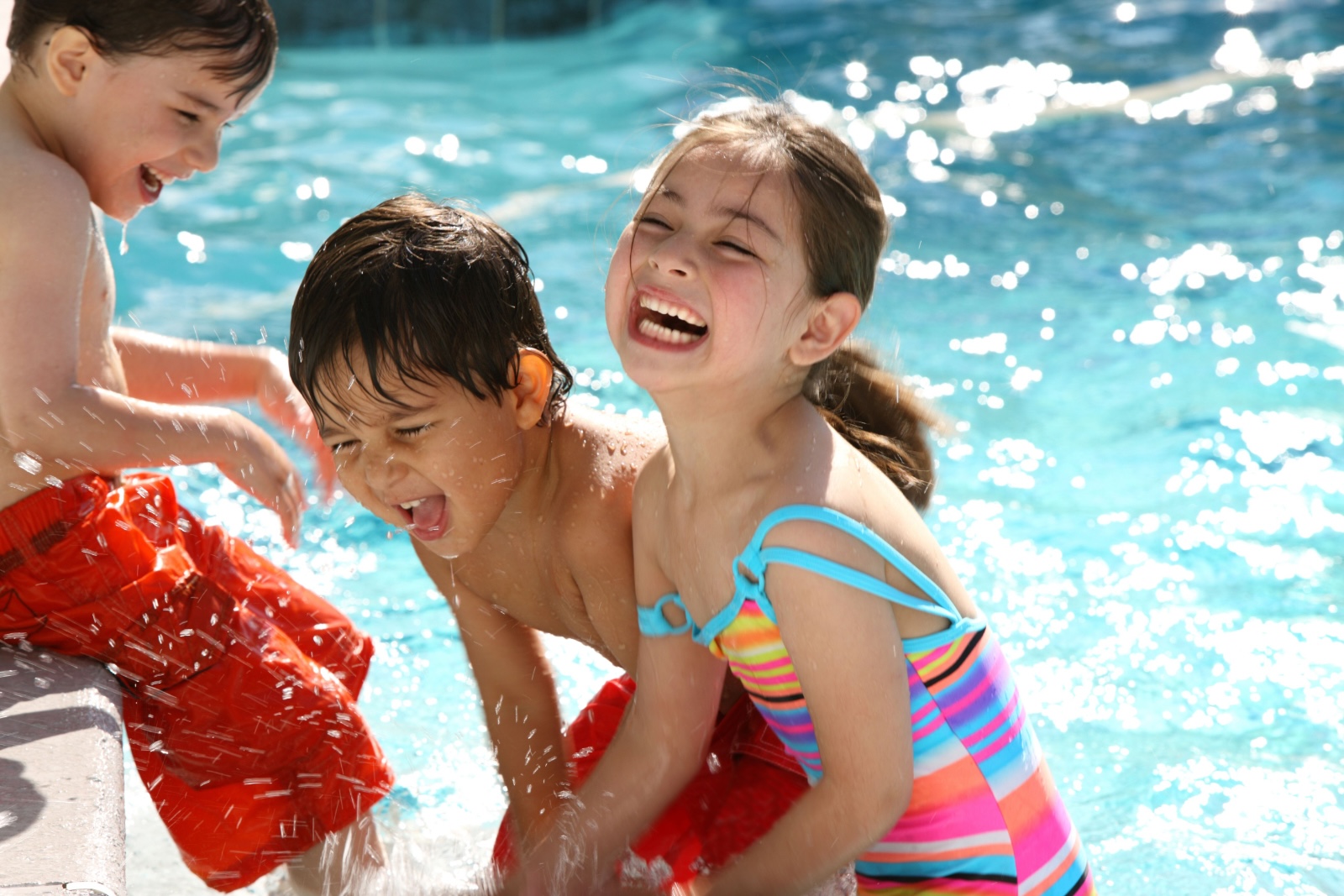
Some skills offer benefits that extend beyond the holiday itself. Swimming is one example because it combines physical activity with an important life skill.
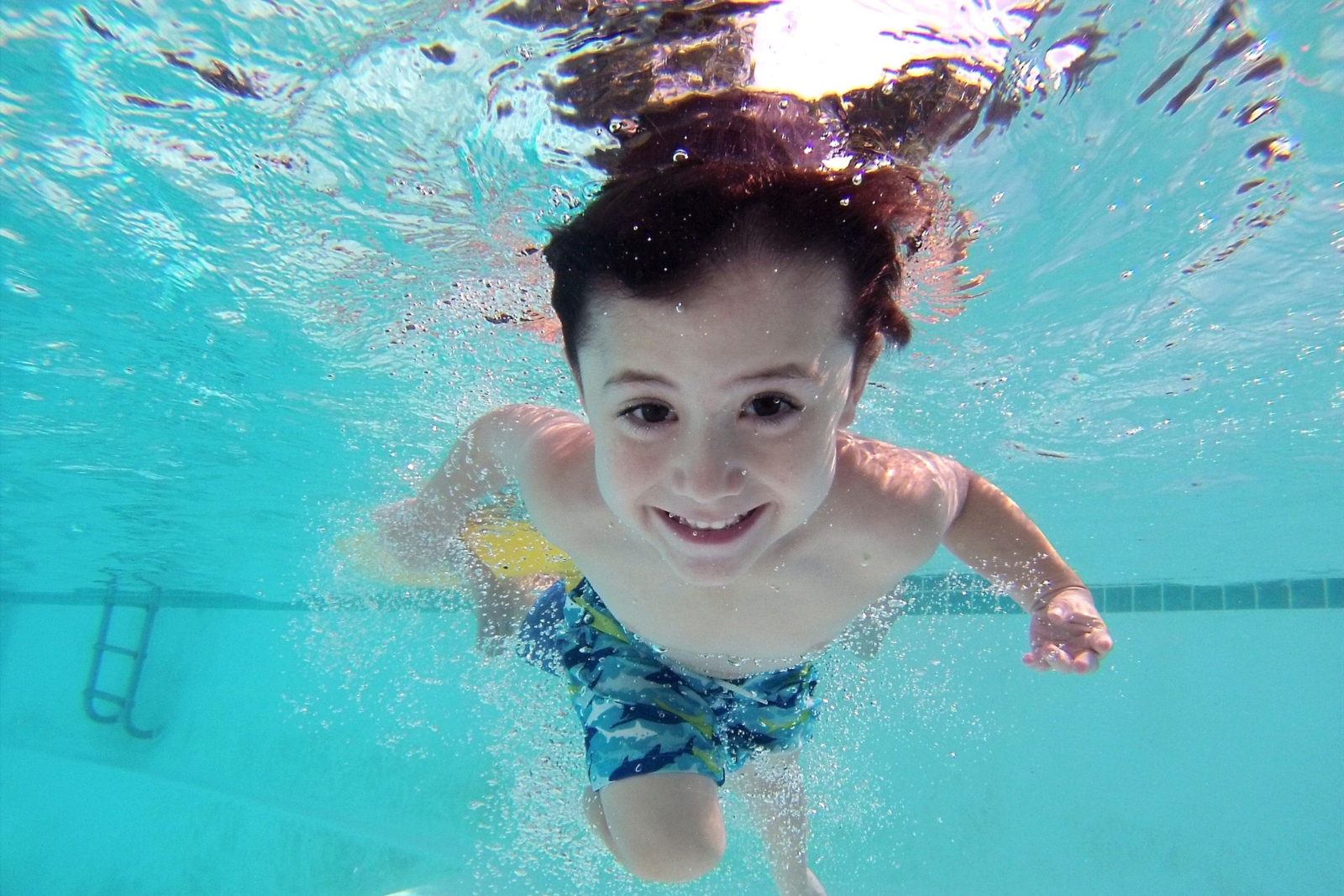
Children develop at different rates in the water. Some may already be comfortable putting their faces in the water but need help with coordinated movements. Others may be beginners who need time to become familiar with the pool environment.
A school break can provide an opportunity to focus on swimming without competing with the demands of the school day.
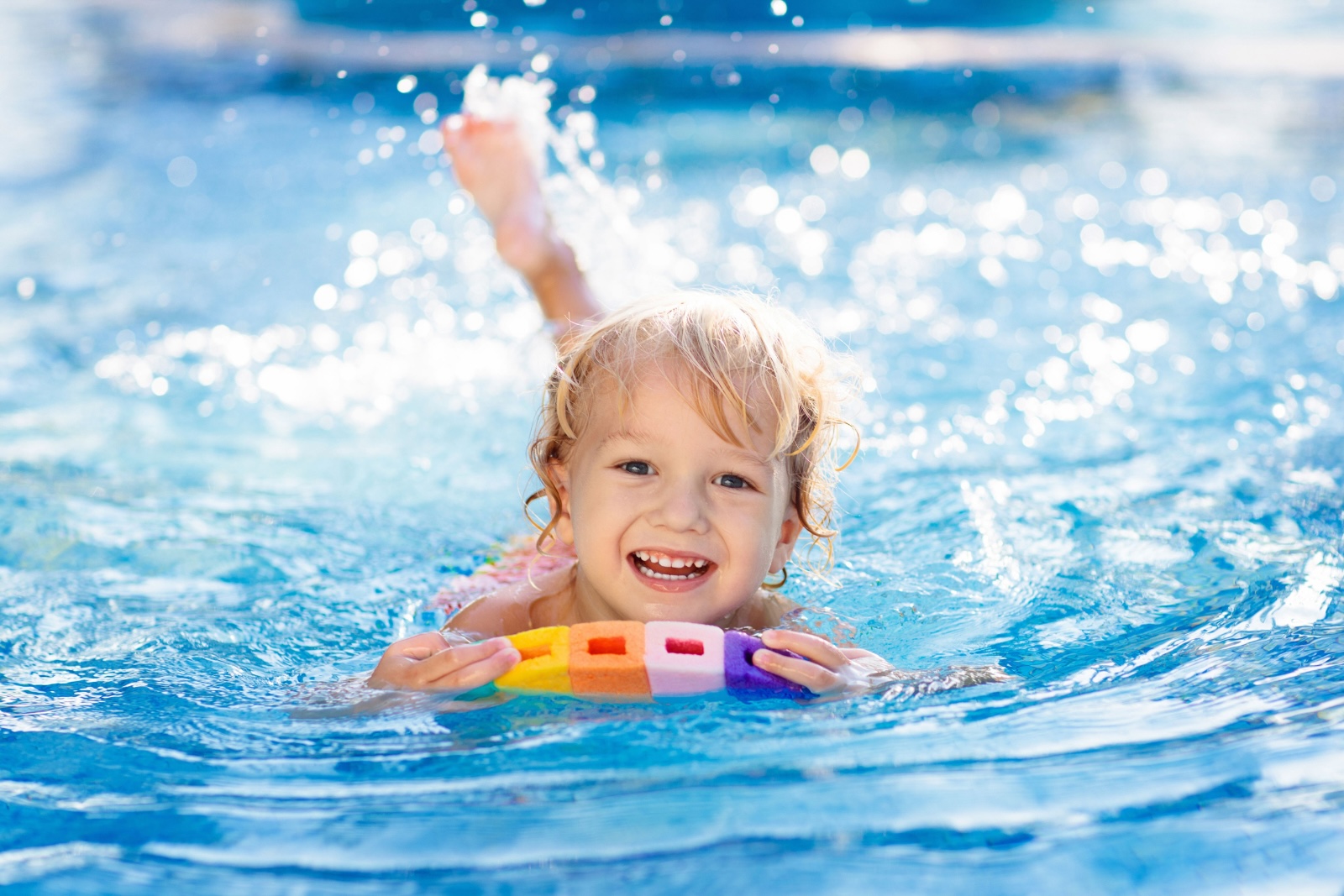
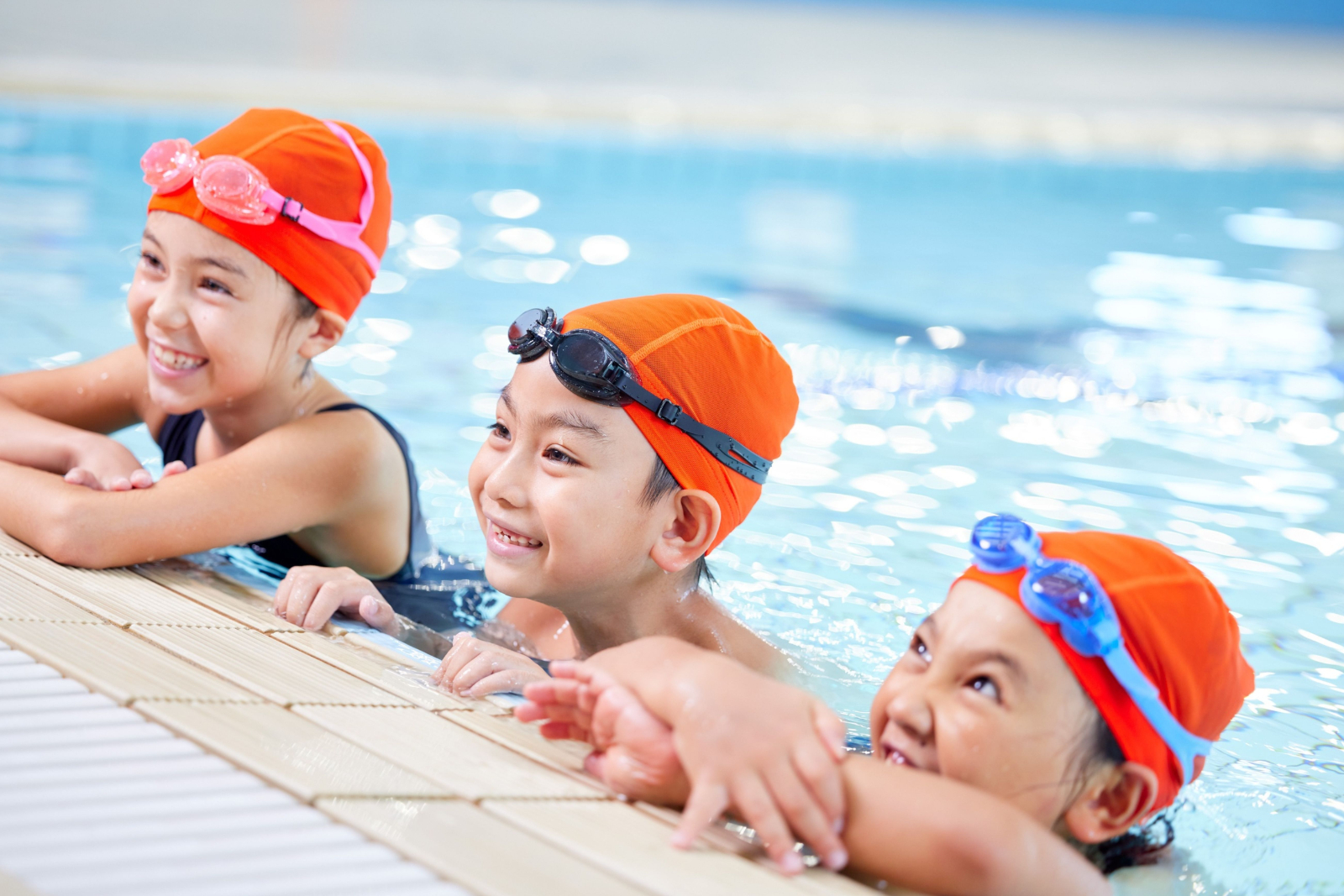
The first step is to identify an appropriate goal. For a beginner, this might involve becoming more comfortable in the water under an instructor’s guidance. A child with some experience may be ready to work on body position, breathing, or a basic swimming stroke.
Consistent instruction can help children practise these skills in a structured environment. Parents looking for local options can explore the Nemo swim school program when considering swimming lessons in Sacramento.
Before enrolling, check that the program is appropriate for the child’s age and current ability, and ask how instructors support beginners and monitor safety.
Swimming instruction must always be accompanied by appropriate water-safety precautions. Lessons do not make children drown-proof, so close, constant supervision remains essential whenever children are in or near water.
It is also helpful to recognize progress beyond swimming ability alone. A child may become more comfortable following instructions, asking questions, or practising a movement they previously found difficult.
These developments can make learning more enjoyable and encourage children to continue building their skills after the break ends.
Focus on Progress Instead of Mastery
One of the biggest advantages of concentrating on a single skill is that children have more opportunities to notice their own improvement.
When a child tries several unrelated activities in quick succession, they may experience the excitement of something new but have little time to practise the fundamentals. Returning to one skill regularly creates a different experience.
A child learning to skate, for example, can become familiar with the same movements across several sessions. Someone learning to cook can repeat a simple recipe and gradually take responsibility for more steps.
Parents can help by setting a small, achievable goal at the beginning of the break.
Instead of saying, “You should be good at skating by the end of the holiday,” try, “Let’s see if you can become more comfortable balancing on your skates.”
For a creative activity, the goal might be to complete one drawing or learn three basic photography techniques. For cooking, it could be preparing a simple breakfast with appropriate supervision.
These goals provide direction without creating unnecessary pressure.
It is also worth remembering that progress is rarely perfectly linear. A child may find one lesson easier than the next, or need additional practice before a movement feels natural. That is a normal part of learning.
Encourage children to recognize what they have learned rather than focusing only on what remains difficult.
Leave Room for Play and Independent Exploration
Choosing one main skill does not mean the rest of the holiday should be planned around it.
Children still need opportunities to play, relax, spend time with friends, and pursue interests that emerge spontaneously. These experiences can complement structured learning by giving them the freedom to explore without following a formal lesson plan.
For example, a child taking swimming lessons might enjoy an afternoon drawing pictures of the ocean. Someone learning ice skating could spend another day riding a bicycle or exploring a local park.
There is no need to turn every related activity into another learning objective.
Parents should also resist the temptation to add extra classes simply because a child seems to be progressing quickly. If the original activity is enjoyable and the schedule is manageable, there is value in keeping things simple.
A balanced holiday might include regular lessons, some family outings, plenty of free play, and quiet time at home.
The objective is not to maximize every hour. It is to give children enough structure to develop a skill while allowing enough freedom to enjoy being on holiday.
How to Organize a One-Skill School Break
A simple plan can help families make the most of this approach without overcomplicating it.
At the beginning of the break, choose the skill. Discuss possible activities with your child and select one that fits their interests, ability, and the available budget.
Set a manageable routine. Decide how often the child will practise or attend lessons. Leave room for rest days and other family commitments rather than filling every available afternoon.
Break the skill into smaller steps. Ask an instructor for guidance where appropriate, or identify a few beginner milestones for activities that can be practised safely at home.
Check in regularly. Ask your child what they enjoy, what feels challenging, and whether the pace is comfortable. Their feedback can help you adjust the plan.
Reflect at the end of the break. Talk about what they learned, which parts they enjoyed most, and whether they would like to continue.
This final step matters because the school break does not have to produce a finished achievement. It can simply introduce an interest that continues to grow over time.
When One Skill Is Enough
There is no single formula for a successful school holiday. Some children enjoy camps and a wide variety of activities, while others prefer a quieter schedule with one clear focus. Families also have different childcare needs, budgets, and time constraints.
The one-skill approach is simply another way to think about holiday planning. It offers a practical alternative for parents who want their children to learn something new without making every day feel like an appointment.
Ice skating can introduce balance and coordination. Swimming lessons can help children develop an important practical skill. Creative projects, cooking, cycling, and other hobbies can provide similar opportunities for exploration and growth.
What matters is choosing something suitable, providing enough time to practise, and allowing the child to progress at their own pace.
A school break does not have to be packed with activities to be meaningful. Sometimes, giving a child the chance to focus on one interest is enough to spark a lasting hobby, build confidence, or help them discover something they genuinely enjoy.
The best outcome may not be a certificate, a completed course, or a dramatic transformation. It may simply be a child returning to school with a new skill, a positive experience, and the desire to keep learning.