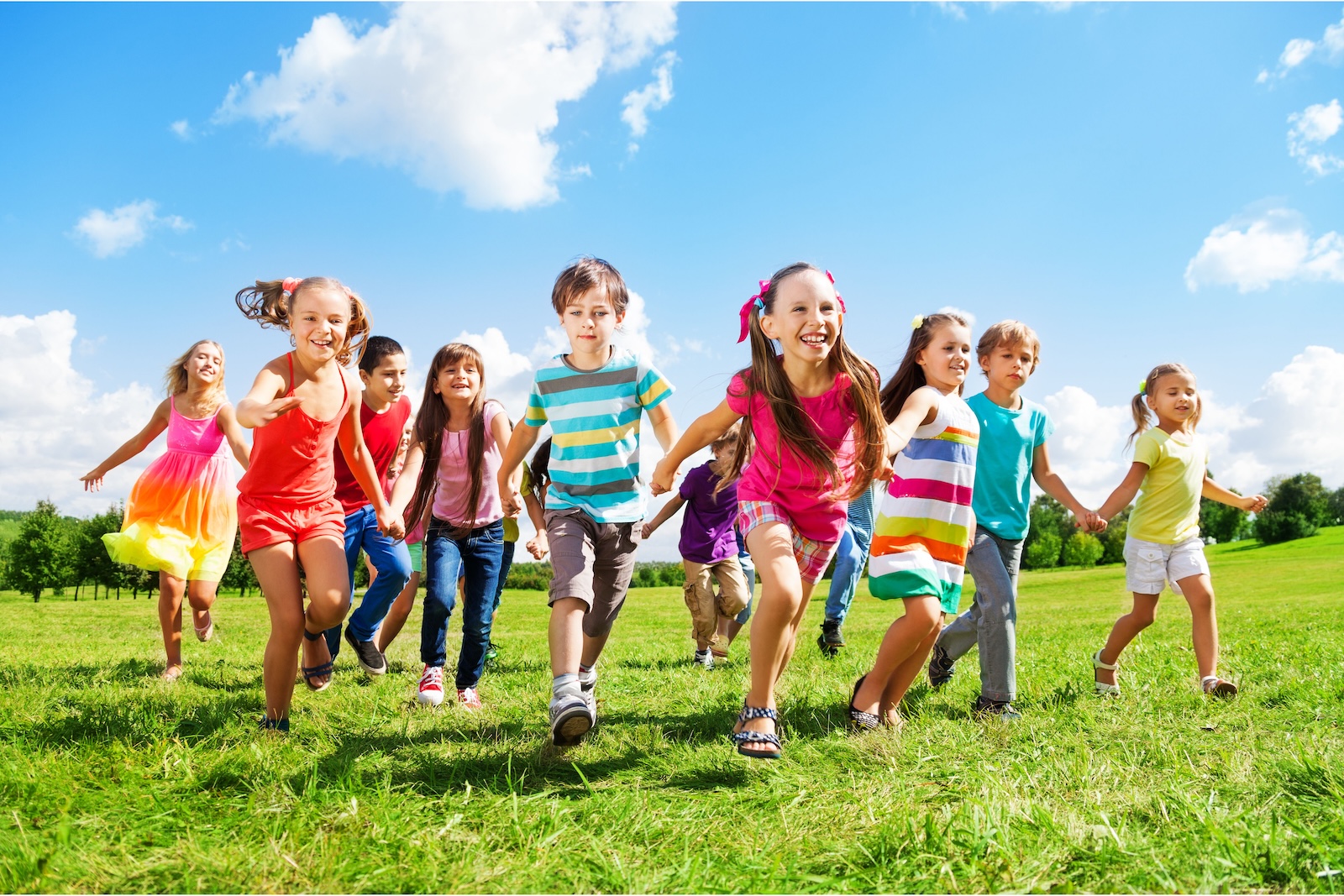
What If Your Child Isn’t Into Team Sports? Six Activities Worth Exploring
Soccer practice, basketball games, and weekend tournaments are familiar parts of childhood for many families. Team sports can help children develop coordination, build friendships, and learn to work toward shared goals. However, not every child enjoys competing alongside a group, following team strategies, or playing in front of a crowd.
Some children prefer independent challenges. Others feel more comfortable learning at their own pace, while some simply have not discovered an activity that interests them yet.
If your child regularly avoids team sports, there is no need to assume they dislike physical activity altogether. They may enjoy something that offers more freedom, a different learning environment, or a chance to focus on personal progress instead of a team’s performance.
The key is to explore different possibilities without making exercise feel like an obligation. From racket sports to skateboarding, several activities can help children stay active while discovering their interests and abilities.
Here are six options worth considering if traditional team sports are not your child’s favorite.
1. Pickleball: A Social Sport Without the Pressure of a Large Team
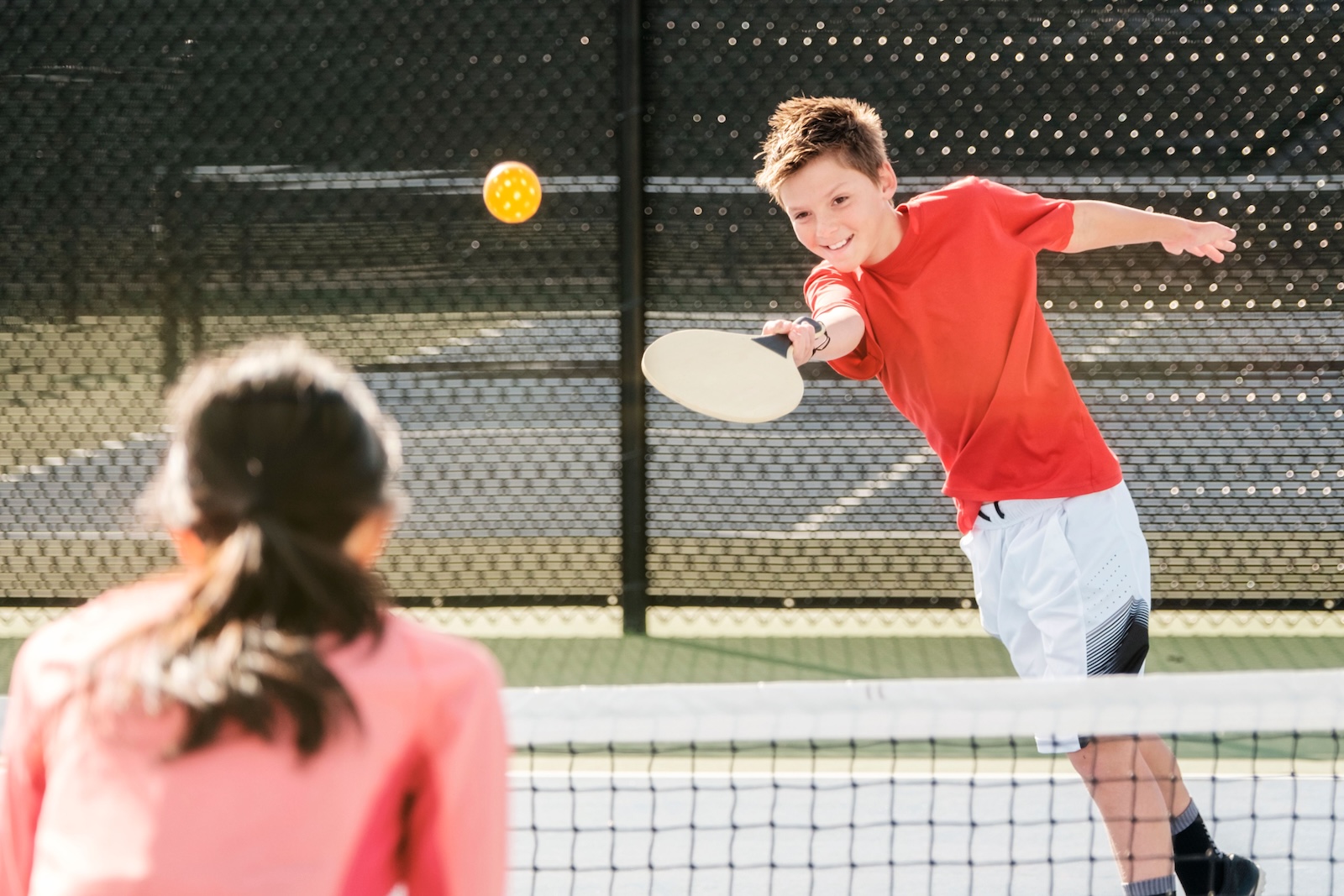
Pickleball combines elements of tennis, badminton, and table tennis. Played with paddles and a lightweight plastic ball, it uses a smaller court than tennis and can be played in singles or doubles.
For children who enjoy games but feel uncomfortable joining a large team, pickleball can offer an appealing alternative. The rules are relatively straightforward to introduce, and beginners can start with basic activities such as bouncing the ball, practising controlled shots, and rallying with a partner.
The smaller playing area also gives children frequent opportunities to practise their reactions and hand-eye coordination. Instead of needing to understand a complicated team strategy, they can concentrate on learning a few fundamental skills.
Parents can introduce the game informally before enrolling their child in structured lessons. A short session focused on making contact with the ball or keeping a rally going can be more enjoyable than immediately playing a full match.
For families in Sacramento, try pickleball lessons to explore a structured introduction to the sport.
A supportive instructor can help beginners understand the rules, practise essential movements, and develop confidence through manageable challenges. Parents should look for instruction appropriate to their child’s age and experience, particularly if the child has little experience with racket sports.
Pickleball can also provide a balance between individual development and social interaction. Children can practise their own skills while enjoying friendly games with parents, siblings, or other beginners.
The objective does not have to be winning. Keeping a rally going for several hits, improving control, or learning a new shot can provide satisfying goals without unnecessary competitive pressure.
2. Skateboarding: Build Balance and Independence
Some children enjoy activities that allow them to move independently and experiment with physical skills. Skateboarding can be a good option for those who like movement, balance challenges, and learning through repetition.
Unlike many team sports, skateboarding does not require a child to coordinate with a group or follow a shared game plan. Beginners can focus on their own progress, learning foundational skills before attempting more difficult movements.
The first steps should be simple. Children can begin by becoming familiar with the skateboard, learning about protective equipment, and practising basic balance in an appropriate supervised environment.
As their confidence develops, they can gradually work toward controlling the board and moving comfortably over short distances. Progress will vary from child to child, so there is no need to rush through the learning process.
Structured instruction can be particularly helpful for beginners. An instructor can demonstrate safe techniques, explain how to practise specific movements, and identify adjustments that suit the child’s current ability.
Parents exploring beginner skateboarding lessons for kids can consider instruction as a way to introduce the activity in a more organized setting.
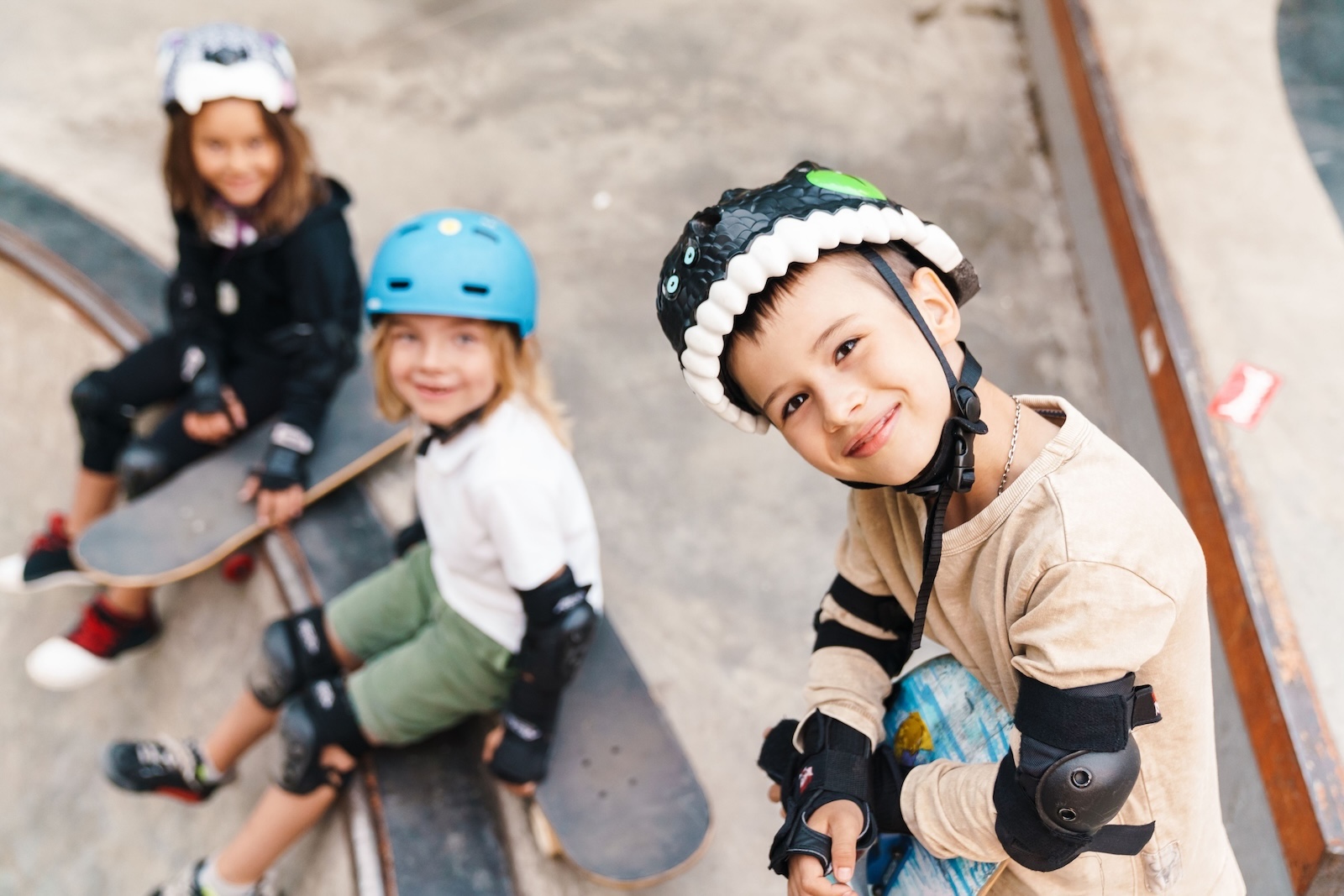
Safety should remain a priority throughout the experience. Children need a properly fitted helmet, wrist guards, elbow pads, and knee pads. They should practise in a suitable area away from traffic, with supervision and guidance appropriate to their age and abilities.
Skateboarding can teach children to approach challenges patiently. Falling or struggling with a new movement may be part of learning, but children should never feel pressured to attempt tricks before they have developed the necessary skills.
For a child who prefers working independently, the opportunity to recognize personal improvement can be especially rewarding.
3. Swimming: Develop Skills at an Individual Pace
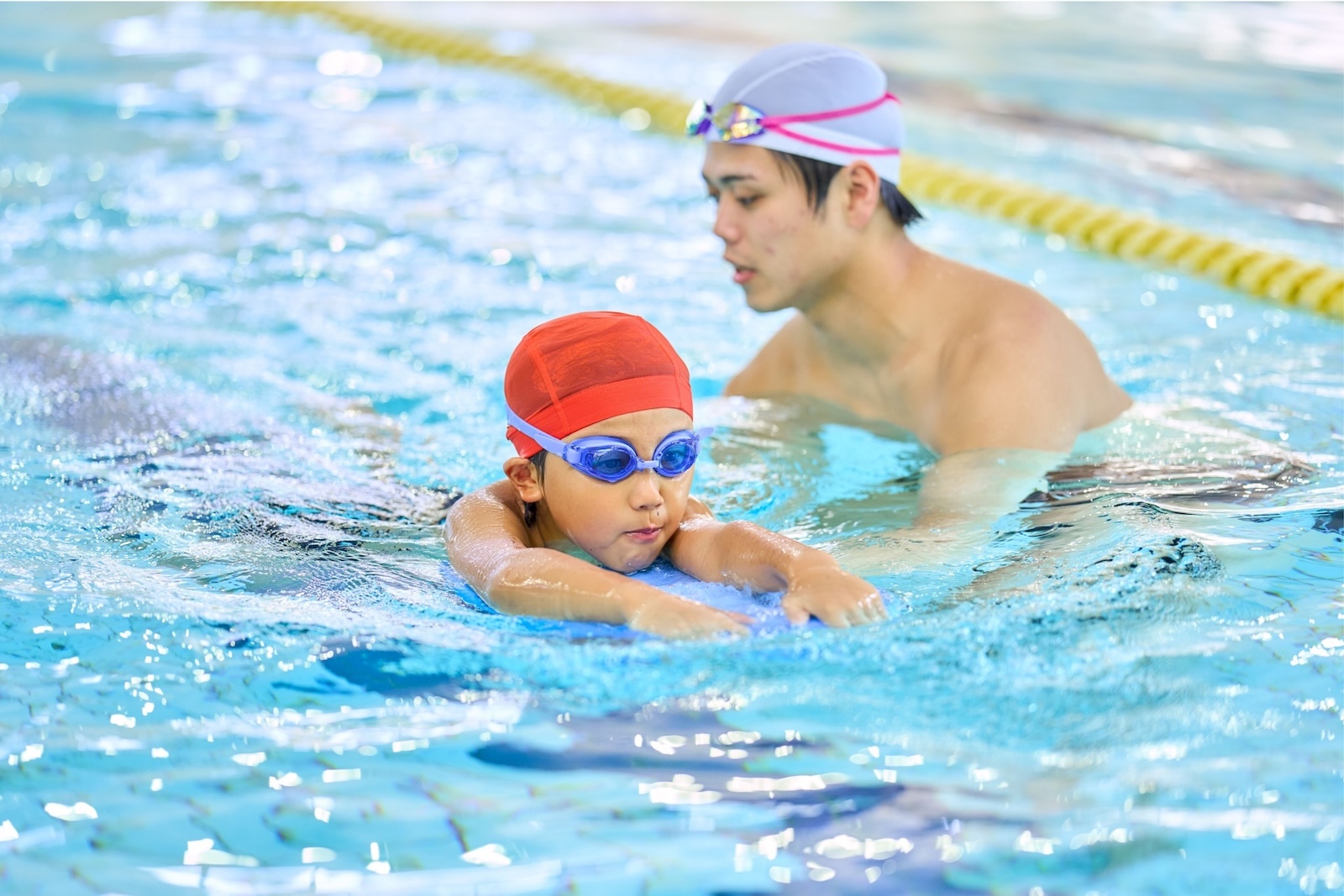
Swimming offers another alternative for children who are not interested in traditional team sports. It combines physical activity with a practical life skill and allows children to focus on personal development rather than competing against teammates.
Some children enjoy the calm, repetitive nature of swimming. Others like the opportunity to set individual goals, such as becoming more comfortable in the water or learning a new stroke.
For beginners, the experience should start with appropriate instruction and manageable expectations. A child who is unfamiliar with swimming may need time to become comfortable in the pool before progressing to more advanced skills.
Qualified instructors can help children develop water familiarity, learn safe movement, and build swimming abilities according to their age and experience. Parents should choose programs that offer suitable supervision and a supportive learning environment.
It is important to remember that swimming lessons do not eliminate drowning risk. Children must remain under close, constant supervision around water, and families should maintain appropriate barriers and other safety precautions.
Swimming can also be adapted to different personalities. A child who feels uncomfortable in a competitive setting may prefer lessons focused on technique and personal progress. Another might eventually enjoy recreational swimming with family members.
Rather than measuring success by speed or distance, parents can celebrate practical milestones, such as becoming more comfortable following instructions or mastering a movement they previously found difficult.
The experience can help children discover that physical activity does not always need to involve a scoreboard, an opponent, or a team uniform.
4. Martial Arts: Combine Movement with Focus
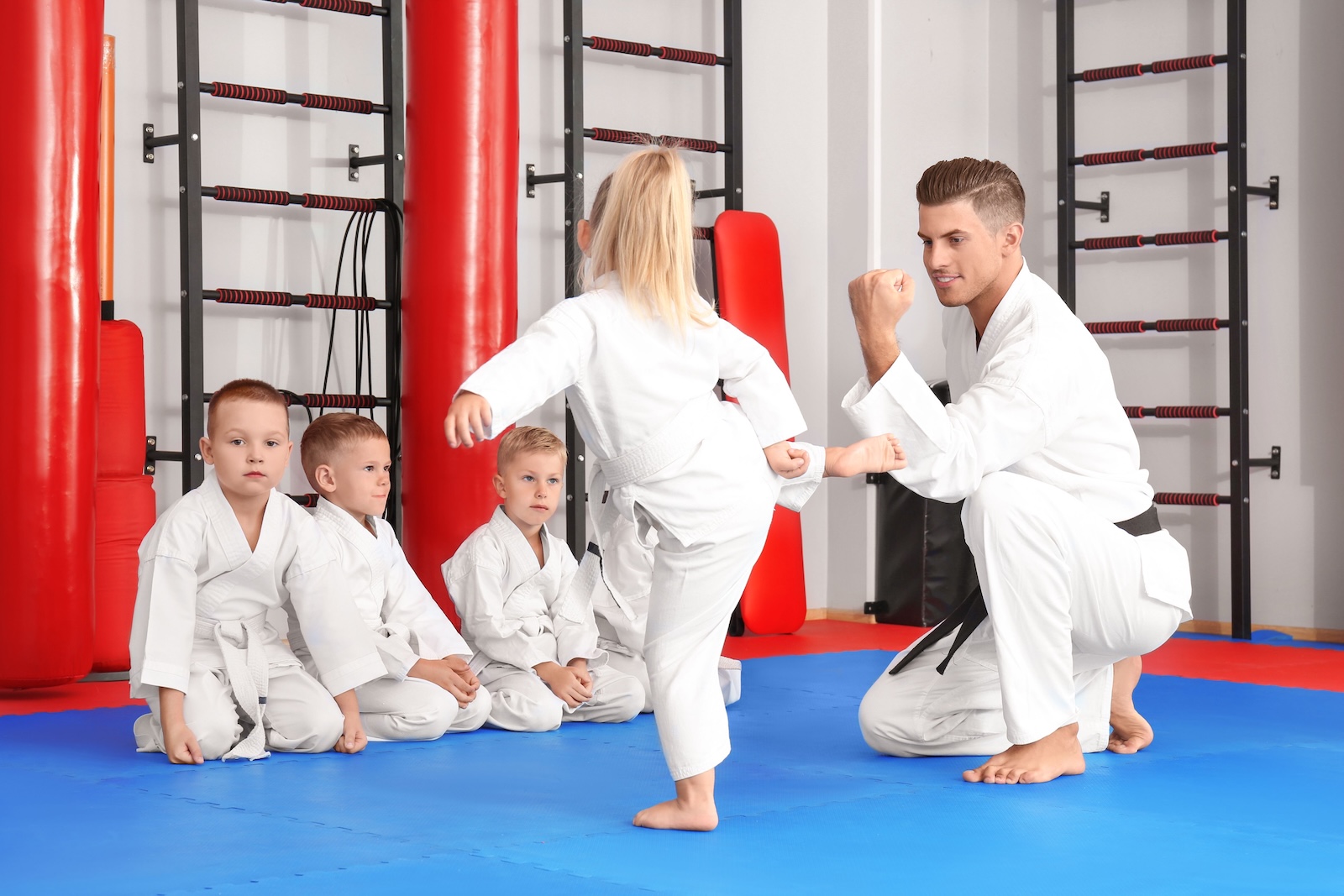
Martial arts classes can appeal to children who enjoy structured learning but are not enthusiastic about team games. Depending on the discipline and program, activities may include practising stances, learning controlled movements, following sequences, and developing coordination.
Many classes emphasize individual progress, giving students opportunities to improve their technique over time. Children may work toward specific milestones while learning to listen carefully, follow instructions, and respect their instructors and classmates.
The predictable structure can be reassuring for children who prefer knowing what to expect. Instead of reacting to the constantly changing pace of a team game, they can focus on practising one movement before moving to the next.
Martial arts can also provide social interaction without requiring children to compete as part of a team. Students often practise alongside others, observe demonstrations, and take turns completing exercises.
When choosing a class, parents should consider the instructor’s approach to discipline, safety, and age-appropriate teaching. A welcoming environment that emphasizes controlled practice and personal improvement is generally a better starting point than a program that places excessive pressure on young beginners.
It is also worth asking children what they think after an introductory session. Some may enjoy the physical challenge, while others may prefer a less structured activity.
The goal is to find an environment where they feel comfortable learning and participating.
5. Dance: Turn Movement into Creative Expression
Not every child connects with sports through traditional athletic activities. Some may be more interested in music, rhythm, performance, or creative expression.
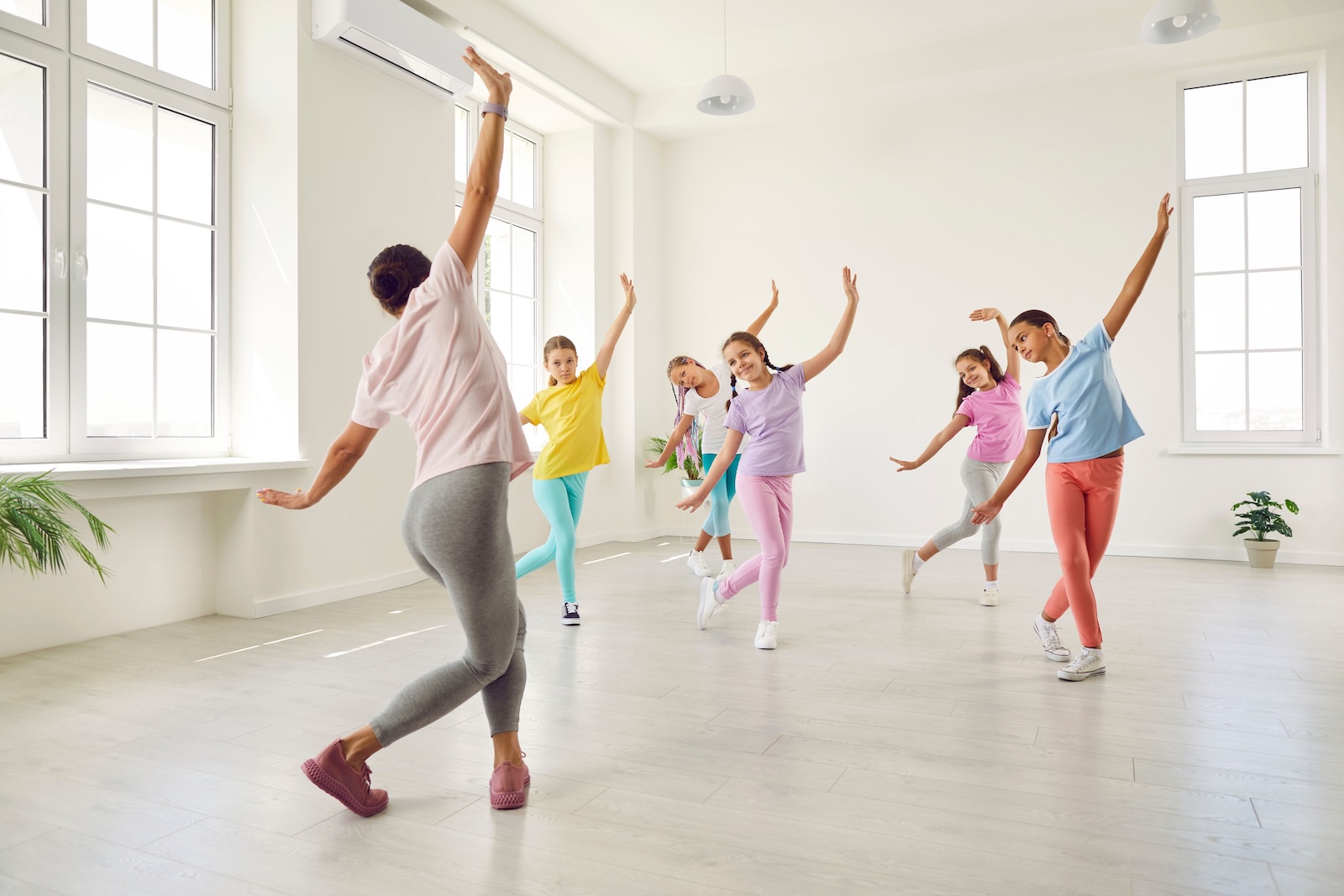
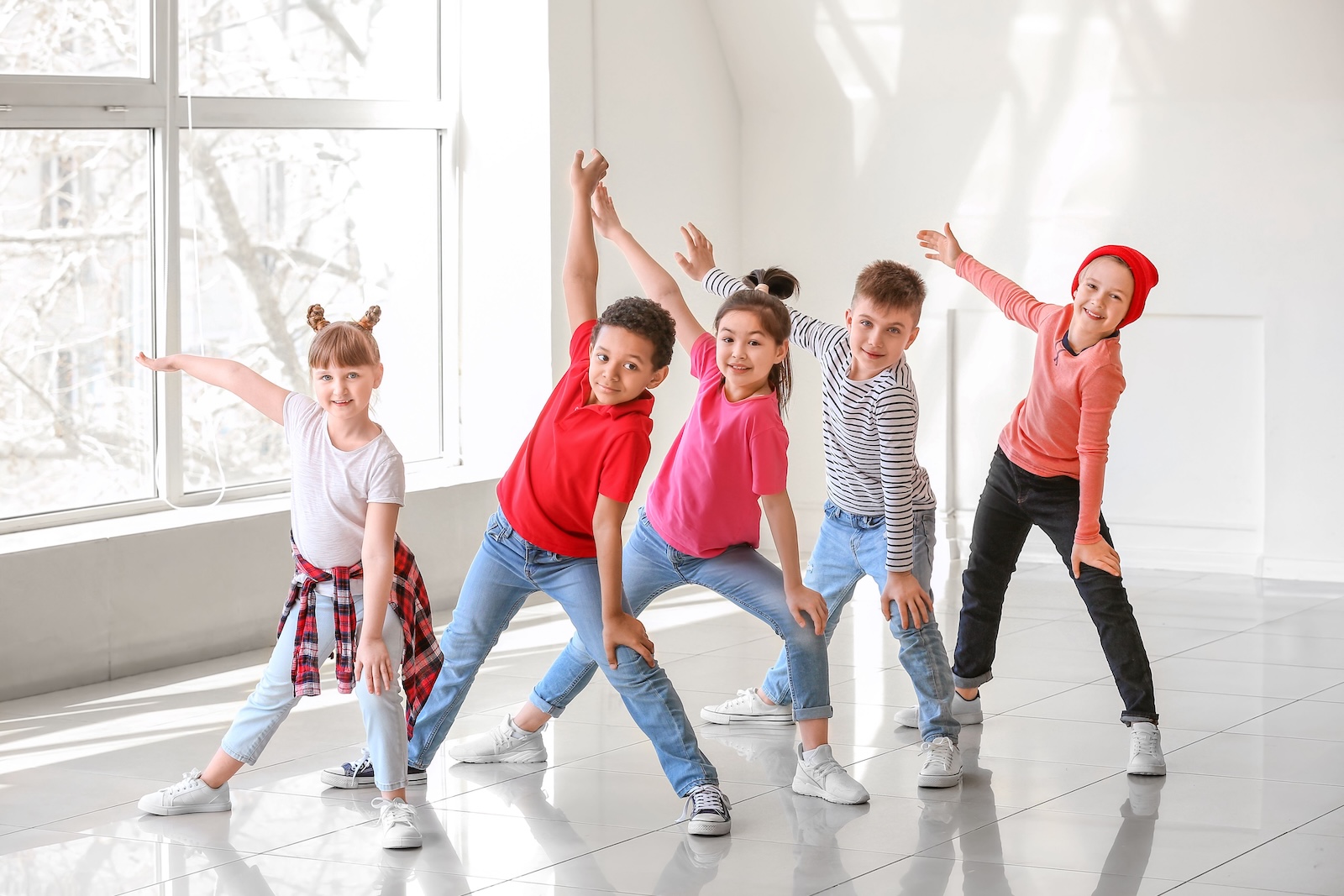
Dance offers a way to combine movement with these interests. Depending on the style, children can explore different steps, develop coordination, and gradually learn more complex routines.
The variety of dance styles means there are many options to consider, from hip-hop and contemporary dance to ballet and cultural dance forms. A child who dislikes competitive games might enjoy having the freedom to express themselves through movement.
Dance can also be introduced at home. Families can choose a favorite song, create a short routine, or organize a playful dance challenge in the living room.
For children who enjoy learning alongside others, a beginner class may provide an opportunity to meet peers who share similar interests. Those who prefer practising independently can start with simple movements at home before deciding whether they want formal instruction.
Parents should avoid assuming that dance is suitable only for children with a particular personality or level of coordination. Beginners can learn gradually, and the emphasis should remain on participation and enjoyment.
There is no requirement to perform on stage or compete. Dance can simply be a fun way to move, learn, and explore a creative interest.
6. Cycling and Nature Adventures: Get Active Beyond Organized Sports
Some children do not want formal lessons or scheduled practices at all. They may prefer activities that offer greater freedom and opportunities to explore their surroundings.
Cycling, walking, hiking, and nature-based adventures can provide that flexibility.
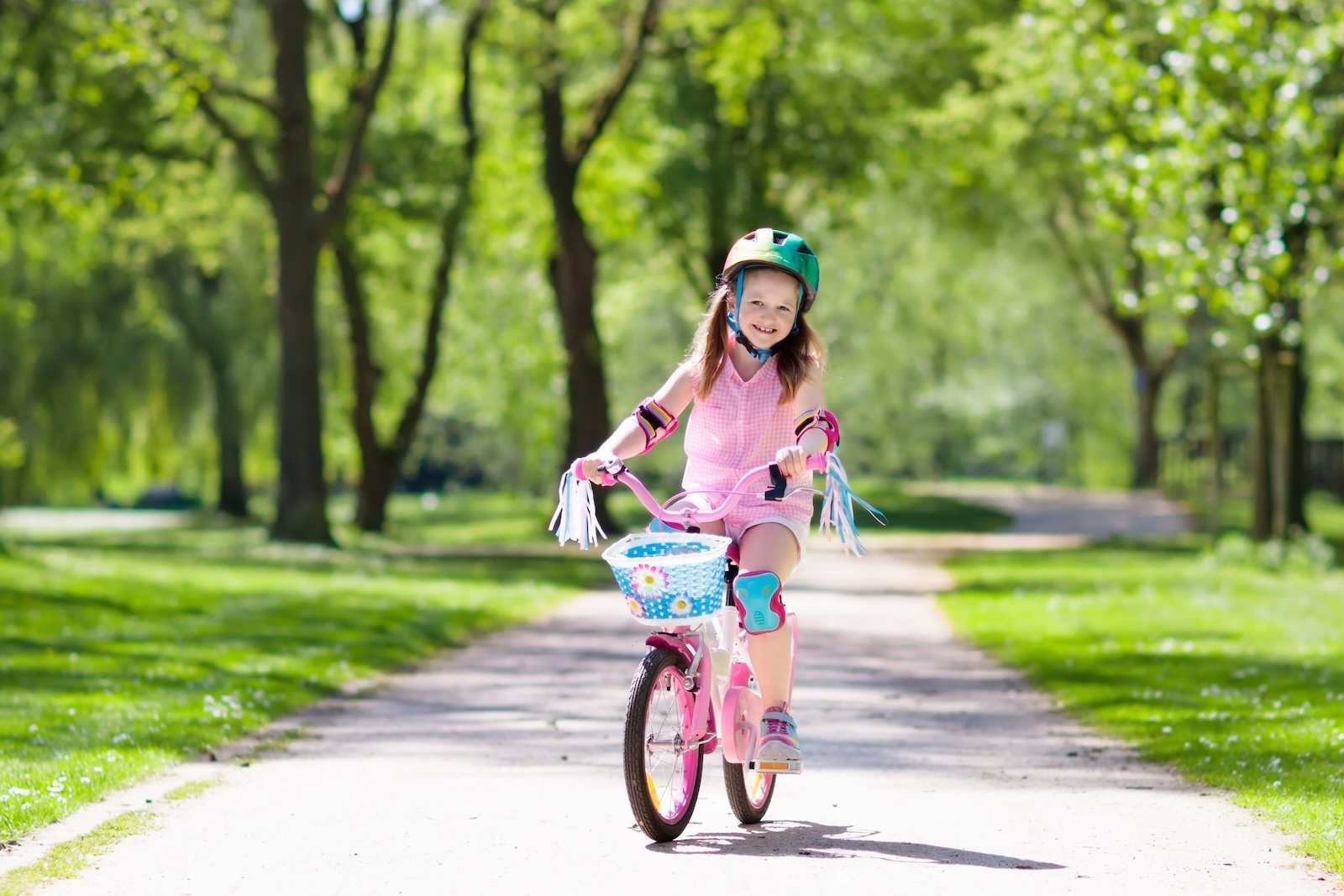
A family bike ride, for example, can help children practise balance, build endurance, and explore familiar neighborhoods. Families can begin with short rides on suitable paths and gradually introduce longer routes as the child becomes more comfortable.
Nature walks can be equally engaging when they include a purpose. Children might look for different types of leaves, photograph interesting plants, observe birds from a distance, or help choose a route through a local park.
These activities combine physical movement with curiosity. Children can focus on discovering something new rather than worrying about how their performance compares with someone else’s.
Parents should match the difficulty of each outing to their child’s abilities and energy level. Cycling requires properly fitted helmets and safe routes, while hikes should account for weather, terrain, hydration, and the child’s experience.
It is also important to allow children to influence the adventure. Letting them choose between two suitable trails or decide which discoveries to look for can make the experience more engaging.
Unlike organized competitions, these outings do not need a fixed finish line or a winner. The reward can simply be spending time outside and discovering something interesting along the way.
How to Help Your Child Find the Right Activity
With so many possibilities, choosing the right activity can take time. Rather than enrolling your child in several programs immediately, begin by understanding what they dislike about team sports.
Do they feel nervous about making mistakes in front of others? Are they uncomfortable with competition? Do they struggle to follow fast-moving games, or have they simply never found a sport that interests them?
Their answers can help narrow the options.
A child who dislikes the pressure of team competition might enjoy swimming or skateboarding. Someone who wants to interact with others but prefers smaller groups may find pickleball appealing. A child interested in music or creative expression might be more enthusiastic about dance.
Give them a chance to try activities before making a commitment. Introductory sessions, short workshops, and informal family activities can help children decide whether something feels right for them.
It is also important to set realistic expectations. A child may not enjoy the first activity they try, and that does not mean they will never find something suitable. Allow time for exploration without turning every new experience into a test of commitment.
Finally, focus on effort rather than natural ability. Praise your child for practising, asking questions, or trying something unfamiliar. Avoid comparisons with siblings, classmates, or children who have been participating for longer.
Children are more likely to remain active when they feel supported rather than judged.
Finding an Activity That Fits Your Child
Team sports can be rewarding, but they are only one way for children to stay active, develop skills, and discover their interests.
Pickleball, skateboarding, swimming, martial arts, dance, and outdoor adventures each offer different ways to experience movement. Some provide structured instruction, while others allow children to explore independently. Some emphasize technical development, while others encourage creativity and discovery.
The best choice depends on your child’s interests, comfort level, age, and abilities.
Instead of trying to convince your child to enjoy a particular sport, invite them to explore the alternatives. Give them room to experiment, recognize their progress, and decide which activities they want to pursue.
They may eventually develop an interest in a team sport, or they may discover that individual activities suit them better. Either outcome is perfectly fine.
What matters most is helping children build a positive relationship with physical activity—one that encourages them to keep moving, continue learning, and find enjoyment in what they do.