
Wedding Organization Tips: The Complete Guide to Planning Your Big Day Without the Stress

Planning a wedding is exciting, but it can also feel overwhelming. Between booking vendors, managing your budget, tracking RSVPs, and remembering countless little details, it is easy to lose track of what needs to happen next.
The good news is that staying organized makes wedding planning much easier. Instead of feeling like you are constantly putting out fires, you’ll have a clear plan that keeps everything moving forward.
These wedding organization tips will help you create a smooth planning process from the day you get engaged until you walk down the aisle. Whether you are planning a small backyard celebration or a large formal wedding, good organization will save time, reduce stress, and help you enjoy the experience.
Why Wedding Organization Matters
Every wedding includes dozens of moving parts. There are contracts to sign, payments to schedule, guest lists to update, appointments to attend, and timelines to coordinate.
Without a system, even simple tasks become difficult to manage.
A well organized wedding plan helps you:
- Stay within your budget.
- Avoid missing important deadlines.
- Keep communication organized.
- Reduce last minute stress.
- Make better decisions.
- Enjoy your engagement instead of feeling overwhelmed.
The goal is not perfection. It is creating a planning process that works for you.

Start With a Master Wedding Binder
One of the best wedding organization tips is to keep everything in one place.
Some couples love a traditional three ring binder with printed documents, while others prefer a digital folder stored in the cloud. Either option works as long as it is easy to access.
Your wedding binder should include:
- Budget tracker
- Guest list
- Vendor contracts
- Payment schedule
- Wedding timeline
- Inspiration photos
- Venue information
- Seating chart
- Contact information
- Checklists
Having one central location prevents endless searching through emails and text messages.

Create a Realistic Wedding Planning Timeline
One mistake many couples make is assuming they have plenty of time.
Instead, build a timeline that spreads responsibilities over several months.
12 Months Before
- Set your wedding budget.
- Create your guest list.
- Choose your venue.
- Book your photographer.
- Hire your wedding planner if using one.
- Select your wedding date.
9 Months Before
- Book entertainment.
- Reserve your florist.
- Shop for wedding attire.
- Schedule engagement photos.
- Choose bridesmaid dresses.
6 Months Before
- Mail save the dates.
- Order invitations.
- Reserve transportation.
- Plan the ceremony.
- Schedule hair and makeup trials.
3 Months Before
- Finalize decorations.
- Meet with vendors.
- Purchase wedding rings.
- Finalize menu selections.
- Create your seating chart.
Final Month
- Confirm every vendor.
- Pick up attire.
- Pack for your honeymoon.
- Create an emergency kit.
- Relax whenever possible.
Breaking tasks into smaller milestones makes planning feel much more manageable.

Keep Your Wedding Budget Organized
Your budget is one of the most important parts of wedding planning.
Instead of simply writing down estimates, create a spreadsheet that tracks every expense.
Include columns for:
- Estimated cost
- Actual cost
- Deposit paid
- Remaining balance
- Payment due date
- Payment confirmation
You should also leave room for unexpected expenses. Small purchases like postage, cake stands, welcome signs, gratuities, and marriage license fees can add up quickly.
Many couples reserve about 5 to 10 percent of their total budget for surprise costs.

Build an Organized Guest List
The guest list changes constantly during wedding planning.
Using a spreadsheet makes updates much easier.
Track information such as:
- Guest names
- Mailing address
- RSVP status
- Meal choice
- Plus one
- Gift received
- Thank you card sent
- Seating assignment
Keeping everything in one document eliminates confusion later.

Save Every Vendor Contract
One of the smartest wedding organization tips is keeping every contract together.
Create separate folders for each vendor.
Include:
- Signed contract
- Payment receipts
- Contact information
- Important emails
- Timeline notes
- Insurance information if required
If questions arise later, you will not need to search through months of email conversations.

Create a Wedding Planning Calendar
A digital calendar can help you stay ahead of important dates.
Add reminders for:
- Dress fittings
- Cake tastings
- Hair appointments
- Makeup trials
- RSVP deadlines
- Vendor meetings
- Final payments
- Marriage license appointment
Set reminders at least one week before every deadline. This simple habit prevents forgotten appointments.


Organize Wedding Inspiration
Pinterest boards are wonderful for collecting ideas, but too many saved photos can become overwhelming.
Instead, narrow your inspiration into categories like:
- Ceremony decor
- Reception decor
- Floral arrangements
- Wedding cake
- Bridal hairstyle
- Table settings
- Color palette
- Wedding favors
This helps vendors quickly understand your vision without sorting through hundreds of unrelated images.
Create a Vendor Contact Sheet
As your wedding approaches, you will have many different vendors involved.
Create one page that lists:
- Vendor name
- Phone number
- Email address
- Arrival time
- Payment balance
- Main contact person
Share this document with your wedding coordinator, maid of honor, best man, or trusted family member. That way, you are not answering vendor phone calls while getting ready.

Organize Your Wedding Day Timeline
Your wedding day schedule should be detailed enough that everyone knows exactly where to be.
Include:
- Hair appointments
- Makeup schedule
- Photographer arrival
- First look
- Wedding party photos
- Family photos
- Ceremony start
- Cocktail hour
- Reception entrance
- Dinner
- Toasts
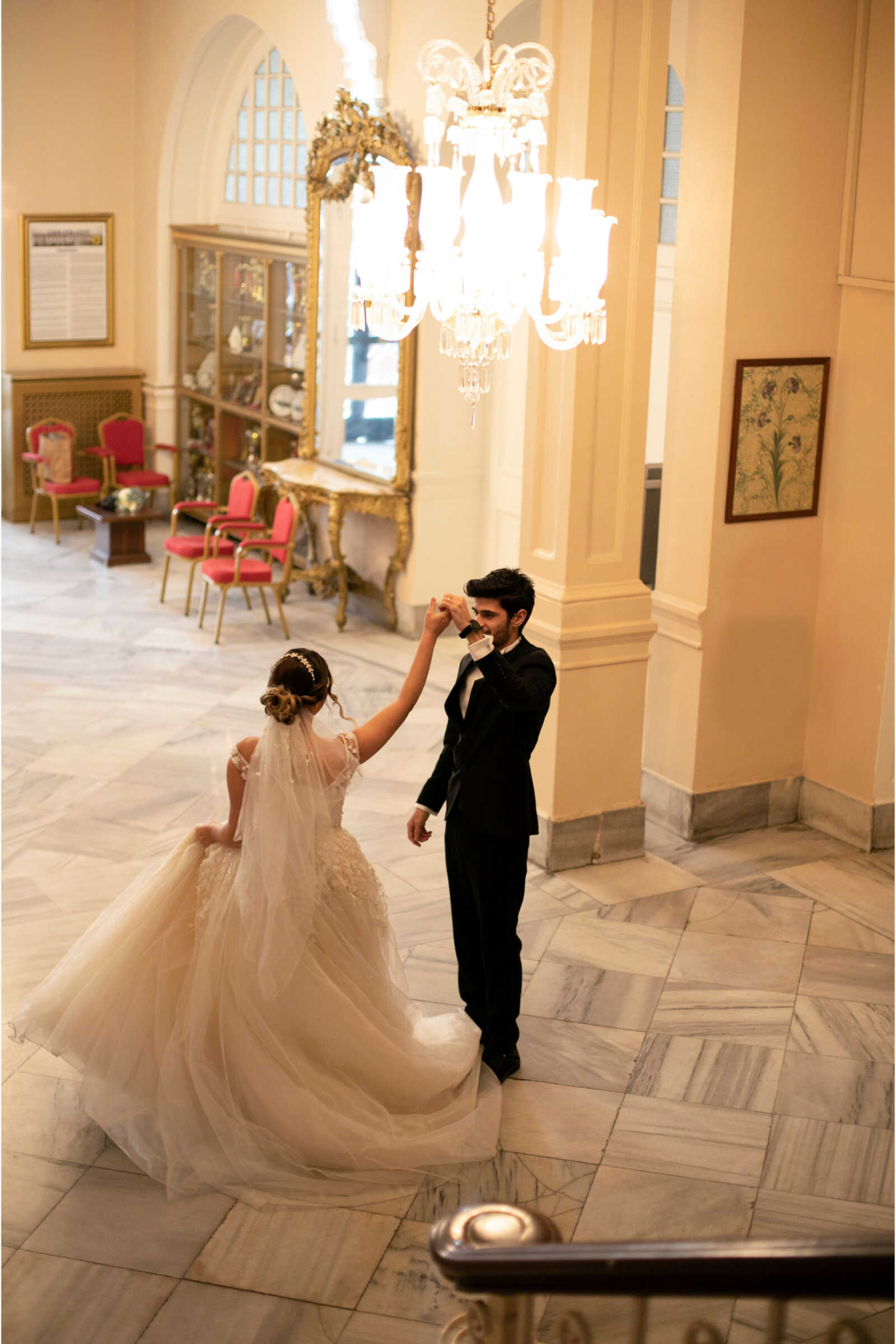
- First dance
- Cake cutting
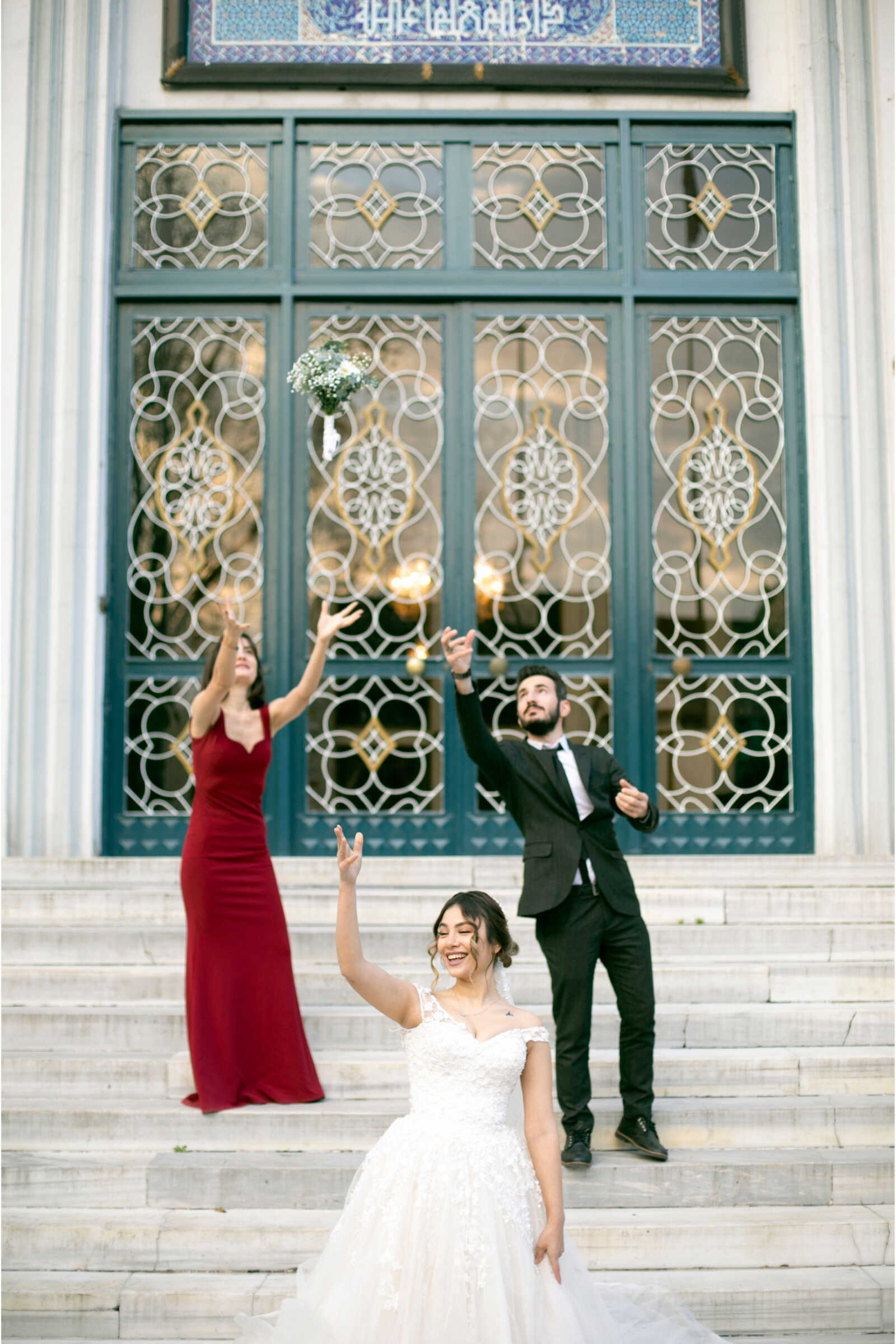
- Bouquet toss if applicable
- Last dance
- Grand exit
Share the timeline with every vendor several weeks before your wedding.


Use Checklists for Every Category
Large projects become easier when divided into smaller lists.
Consider creating separate checklists for:
Bridal Attire
- Dress
- Shoes
- Jewelry
- Veil
- Undergarments
- Perfume
- Accessories
Groom’s Attire
- Suit or tuxedo
- Shoes
- Tie
- Cufflinks
- Socks
- Watch
- Belt
Reception
- Guest book
- Place cards
- Centerpieces
- Cake topper
- Decorations
- Signage
- Favors
Small checklists reduce the chance of forgetting something important.

Keep Wedding Emails Organized
Create a separate email folder just for wedding planning.
You can organize messages into categories such as:
- Venue
- Photography
- Florist
- Catering
- Rentals
- Invitations
- Entertainment
Searching becomes much faster when everything is sorted.

Label All Storage Containers
If you are bringing decorations to your venue, label every storage container.
Examples include:
- Ceremony decor
- Reception tables
- Dessert table
- Guest book
- Gifts
- Wedding favors
- Candles
- Photo booth props
Clear labels make setup much faster for family members and venue staff.

Pack an Emergency Wedding Kit
Even well planned weddings have surprises.
Your emergency kit might include:
- Safety pins
- Sewing kit
- Fashion tape
- Stain remover pen
- Bandages
- Pain reliever
- Phone charger
- Hair spray
- Bobby pins
- Deodorant
- Breath mints
- Blotting papers
- Tissues
- Scissors
- Extra makeup
Having these items nearby provides peace of mind.

Organize Important Documents
Keep these documents together in one folder:
- Marriage license
- Photo identification
- Vendor contracts
- Payment confirmations
- Ceremony script
- Vows
- Hotel reservations
- Travel itinerary
Assign someone you trust to carry this folder on the wedding day.

Delegate Responsibilities (AKA Don’t Put Everything on Yourself)
You should not be the person answering questions during your wedding. Instead, assign responsibilities.
For example:
- Maid of honor manages bridal party.
- Best man assists the groom.
- Parent oversees guest arrivals.
- Wedding coordinator handles vendors.
- Trusted friend manages gifts.
Delegating responsibilities allows you to focus on celebrating.
*Have your friends and family read this guide before your big day: 10 Simple Ways to Support a Bride on Her Wedding Day

Stay Organized During Wedding Week
The final week often feels hectic.
Create one final checklist that includes:
- Confirm every vendor.
- Steam wedding attire.
- Pack overnight bags.
- Prepare vendor tips.
- Confirm transportation.
- Pack ceremony items.
- Charge electronics.
- Print timelines.
- Confirm weather plans.
Checking these items off one by one helps you stay calm.

Wedding Organization Tips for DIY Weddings
DIY weddings require even more organization because you become your own event planner.
Create separate bins for each project.
Examples include:
- Centerpieces
- Welcome signs
- Escort cards
- Table numbers
- Ceremony decorations
- Dessert display
- Photo booth accessories
Finish DIY projects at least two weeks before your wedding whenever possible. Avoid crafting during the final few days.

Keep Communication Simple
Avoid having wedding information spread across texts, social media messages, emails, and handwritten notes. Choose one primary communication method with vendors.
Likewise, keep wedding party updates in one group chat or shared planning app. Consistency prevents misunderstandings.
Back Up Everything Digitally
Even if you prefer paper planning, create digital copies of important documents.
Store copies of:
- Contracts
- Receipts
- Guest list
- Seating chart
- Timeline
- Vendor contacts
Cloud storage ensures you can access everything from your phone if needed.

Don’t Forget the Honeymoon
Many couples spend months organizing the wedding and forget to prepare for their trip afterward.
Create a honeymoon checklist that includes:
- Passports
- Travel documents
- Hotel confirmations
- Transportation
- Chargers
- Medications
- Travel insurance information
- Spending money
Packing several days early reduces stress after the reception.
Avoid Common Wedding Organization Mistakes
Even organized couples make mistakes.
Try to avoid these common issues:
Waiting Too Long to Book Vendors
Popular venues and photographers often book more than a year in advance.
Ignoring Small Expenses
Minor purchases can quickly exceed your budget if they are not tracked.
Forgetting Payment Deadlines
Late payments can create unnecessary stress close to your wedding.
Not Confirming Vendors
Reach out to every vendor during the final week to verify arrival times and expectations.
Taking on Too Much Yourself
Friends and family are often happy to help. Accepting assistance allows you to enjoy the experience.


Frequently Asked Questions
What is the best way to organize wedding planning?
The best approach combines a master checklist, detailed budget tracker, guest list spreadsheet, planning calendar, and organized folders for contracts and vendor information. Keeping everything together makes wedding planning much easier.
When should I start organizing my wedding?
Most couples begin planning 12 to 18 months before the wedding. Starting early gives you more venue and vendor options while reducing stress.
What should be in a wedding planning binder?
A complete wedding planning binder should include your budget, guest list, contracts, payment schedule, inspiration photos, vendor contacts, seating chart, wedding timeline, and planning checklists.
How do I stay organized the week before my wedding?
Focus on confirming vendors, packing essentials, organizing payments, preparing your emergency kit, printing timelines, and delegating responsibilities so you can relax on your wedding day.
Final Thoughts
The best wedding organization tips are the ones that simplify your planning process instead of adding more work. A clear timeline, organized budget, detailed guest list, and centralized planning system will help you stay on track from engagement to the last dance.
Remember that your wedding is about celebrating your relationship, not checking every box on a perfect planning list. Staying organized simply gives you more freedom to enjoy the moments that matter most. With a little preparation and the right systems in place, you can spend less time worrying about logistics and more time making memories with the people you love.